
How to Import Automatic Litter Box for Veterinary Clinic: A Pro Guide
If you are importing hardware for a veterinary clinic, stop looking at “smart” consumer gadgets and start looking at industrial-grade reliability. Most automated pet tech is designed for a living room, not a sterile, high-traffic clinical environment. If you want to know **how to import automatic litter box for veterinary clinic** setups without flushing your capital down the drain, you need to abandon the dropshipping mentality. You aren’t buying a novelty; you are buying a piece of medical-adjacent infrastructure that must survive daily sanitization and rigorous use cycles.
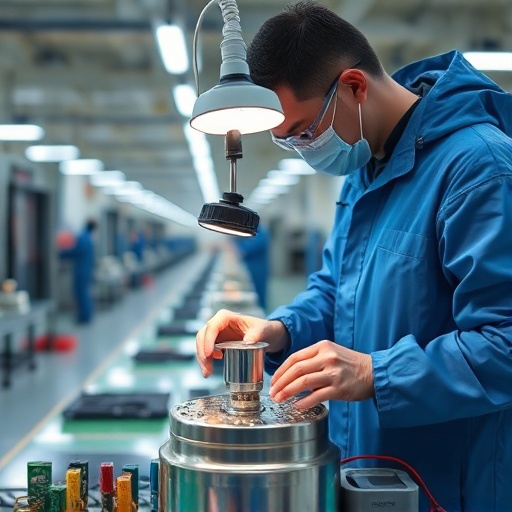
The secret to a successful import isn’t in the marketing brochure. It is in the humidity-controlled testing chambers and the specific solder-paste formulation used on the control boards.
### The Factory Floor: Where Reliability is Born
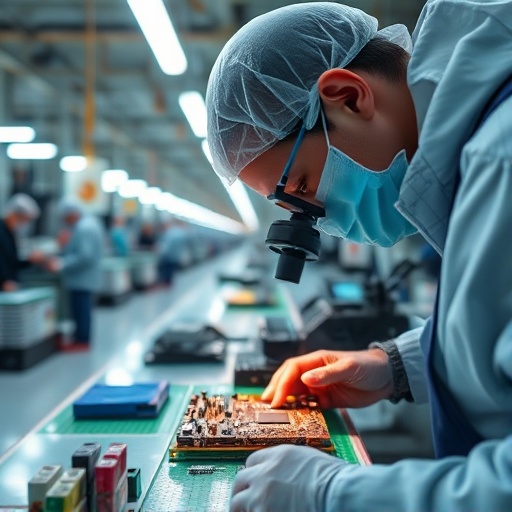
Walking through a real production line in the Pearl River Delta is a sensory experience that tells you everything you need to know about a supplier. You smell the sharp, metallic tang of solder flux and hear the rhythmic, pneumatic hiss of assembly robots. When I visit facilities like the DDPark manufacturing plant, I look for one specific detail: the AOI (Automated Optical Inspection) station.
I once stood on a line where the AOI machine flickered red, flagging a board because a single microscopic capacitor was tilted by half a millimeter. The operator didn’t hesitate—they pulled the entire batch for a manual sweep. That is the difference between a unit that lasts three years and one that dies in three months. If your supplier’s factory floor feels chaotic or lacks this level of rigid, automated scrutiny, do not trust them with your clinic’s inventory.
### The Checklist for Clinical-Grade Hardware
You need to verify five technical pillars before signing a purchase order. If a supplier cannot provide documentation for these, move on.
1. **Firmware Integrity:** Demand proof of a “firmware rollback” feature. If an Over-the-Air (OTA) update bricks your units, you need a way to revert to a stable state immediately.
2. **Environmental Shielding:** Clinics are humid, high-sanitization zones. Ask if the WiFi PCBs are conformal-coated. Without this, moisture will corrode your circuit traces in weeks.
3. **Mechanical Redundancy:** Look for secondary infrared sensors. If the primary sensor fails, the unit should have a fail-safe to prevent mechanical jams.
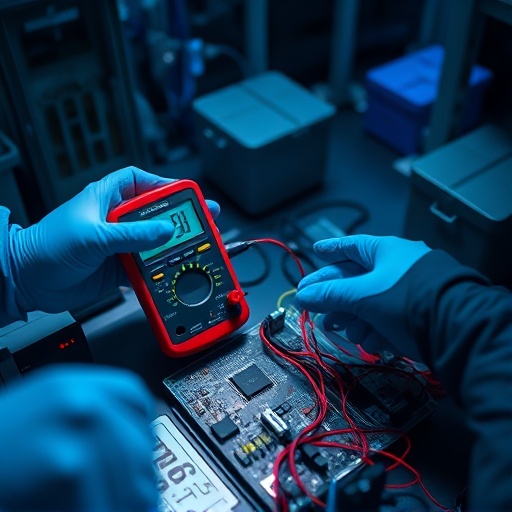
4. **Power Supply Standards:** Ensure the power units are not just “CE compliant” but actually carry the testing reports to prove it. Cheap power adapters are the leading cause of “ghost” malfunctions in pet tech.
5. **Aging Test Logs:** Ask to see the data from their 48-hour continuous stress tests. If they don’t perform them, you are performing the test for them—on your clients’ time.
### The Truth About Generic “Smart” Tech
I have a contrarian take: most “smart” litter boxes are built on the same generic Tuya-based architecture. While convenient for home use, this architecture often fails in professional settings because it isn’t optimized for high-volume, low-latency communication. My personal opinion is that if you are importing for a clinic, you should prioritize a manufacturer that owns their own app ecosystem rather than relying on a third-party plug-and-play solution.
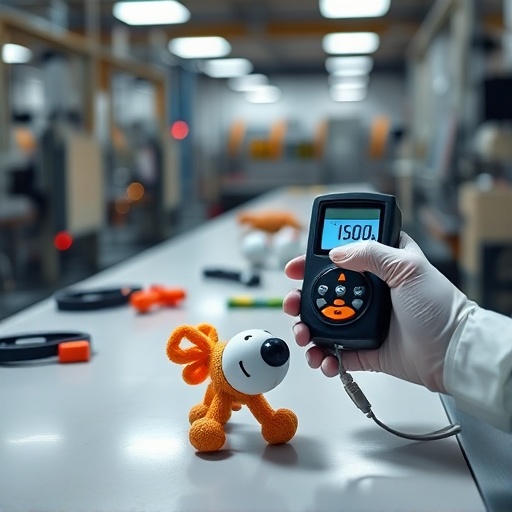
I once lost a small fortune sourcing “high-end” feeders that looked perfect in photos but had impellers made of brittle, low-grade plastic. They shattered under the weight of premium kibble. It taught me that beautiful CAD renders mean nothing if the material science doesn’t back them up. Always request a sample, and then put that sample through a stress test that exceeds your clinic’s actual usage.
### Why 2026 Standards Demand Upgraded Processors
The era of the single-core microcontroller is over. For a veterinary clinic, you need dual-core ESP32 processors or better. These chips handle multi-tasking—sensor monitoring, motor control, and cloud communication—without the lag that causes system crashes. When you explore the DDPark Smart Pet Product Catalog, you see this shift toward higher-tier processing power.
These units are built to offer a 15%-36% improvement in operational lifespan compared to the generic “white label” junk flooding the market. You are not just buying a machine; you are buying an insurance policy against clinic downtime.
### Managing the Import Process
Scaling your clinic’s tech shouldn’t require a 5,000-unit commitment. The best factories offer flexible MOQs because they understand that veterinary practices need to pilot new workflows. When you request a Free OEM Quote from DDPark, emphasize that you are a professional entity. Ask about their experience with Amazon FBA protocols or international medical shipping standards if you intend to distribute these units further.
Never let a supplier dazzle you with a polished website. If they can’t explain their PCB assembly process or show you their quality control reports, they are a trading company, not a factory. A real manufacturer will be happy to talk about their solder paste, their testing cycles, and their failure rates.
### Final Vetting Strategy
Don’t be afraid to be the “difficult” client. Ask about their software team. Ask if they can customize the mobile app to include your clinic’s logo or specific alert parameters. If they give you a blank stare, you know they are just reselling mass-produced hardware.
Your reputation in the veterinary field is built on reliability. Don’t let a faulty, imported litter box be the reason a client loses faith in your facility. Buy for the long term, demand the technical documentation, and verify the factory floor before you ever wire a deposit.
Frequently Asked Questions
Q: What is the most critical certification for importing pet electronics?
A: You must ensure all units carry CE, RoHS, and FCC certifications. These are non-negotiable for safety and legal compliance in veterinary environments, proving the electronics meet international standards.
Q: How do I avoid faulty firmware in imported pet devices?
A: Always vet manufacturers on their firmware stability. Ask if they offer firmware rollback capabilities and ensure they use upgraded, dual-core chips rather than outdated modules that fail under heavy usage.
Q: Why is MOQ flexibility important for veterinary clinics?
A: Many clinics want to pilot a few units before a full rollout. Partnering with a manufacturer like DDPark that offers flexible MOQ allows you to test product performance before committing to large-scale capital expenditure.
Work with DDPark
Our units feature a low-noise motor system, rigorous aging test before shipment, full custom logo and packaging, and are CE FCC RoHS certified to ensure your clinic operates with the highest reliability.
Ready to Start Your OEM Order?
Contact our B2B team today for pricing, MOQ, and custom branding options.