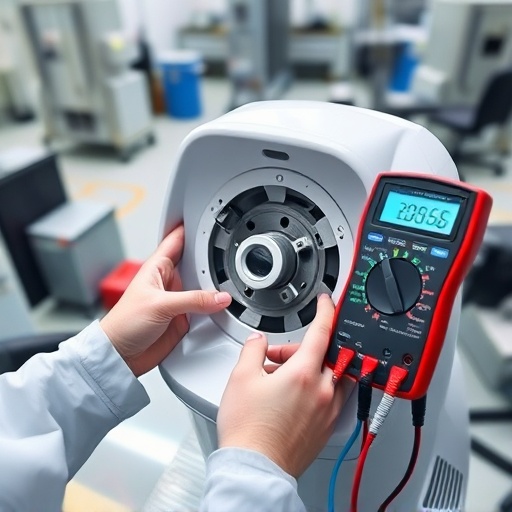
Solving High Return Rates for Smart Pet Feeders in 2026
Nearly 30% of smart pet feeders returned by consumers are actually fully functional devices that users simply couldn’t get to work. When you ask, “why does my pet feeder with camera return rates and how to solve it,” you are likely looking at a combination of poor UX, unstable connectivity, and mechanical design flaws. Returns are rarely the result of a single catastrophic failure; they are usually a death by a thousand cuts that starts on the factory floor.
If your return rate is climbing, you are losing more than just the cost of the unit. You are losing customer lifetime value and your seller ranking on major marketplaces. Solving this requires moving past the “white-label and ship” mentality and auditing the specific failure points in your supply chain.
The Factory Reality: Where Quality Dies
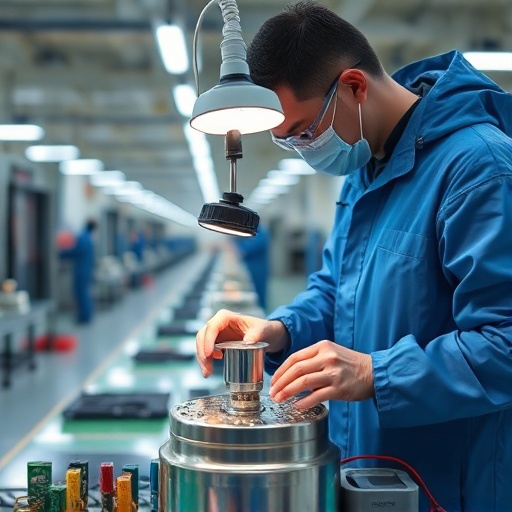
I have spent over a decade walking production lines in the Pearl River Delta. You can tell if a factory cares about your brand before you even reach the assembly line. Walk into a facility where the air is thick with the smell of cheap solder and the conveyor belts are littered with unorganized plastic scraps. Those factories don’t see “pet tech”; they see plastic commodity units. When a worker is rushing to meet a quota, they aren’t checking if the PCB coating is uniform. They are simply slapping it together to meet the shipping deadline.
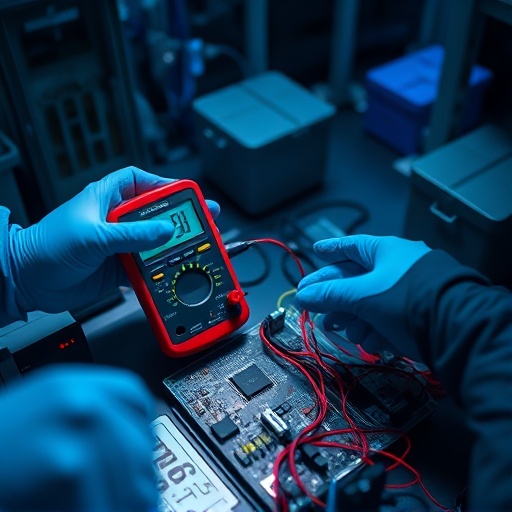
The most common culprit for early failure is moisture-induced corrosion on the mainboard. Many manufacturers skip the conformal coating process to save a few cents per unit. In a high-humidity environment, that board will oxidize within months. My contrarian take? Stop blaming your customers for “not connecting to Wi-Fi” and start looking at the low-grade Wi-Fi modules your factory is sourcing. If the signal chipset can’t maintain a handshake with a 5GHz router, the user will blame the camera, then the app, and finally, they will click “return.”
Mechanical Failures: The Anti-Jam Myth
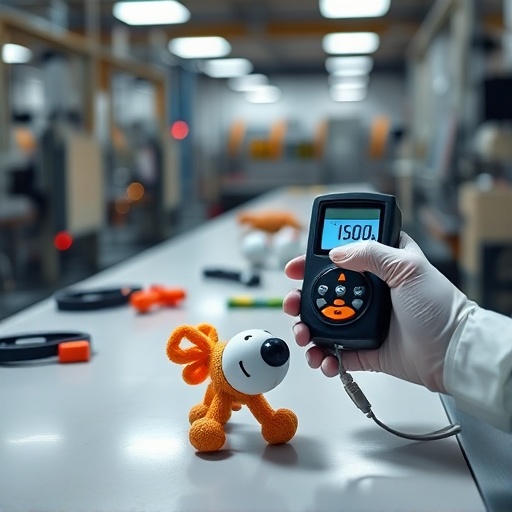
Many brands advertise “anti-jam” features that are nothing more than marketing fluff. I have watched testers force kibble through undersized impellers until the motor whines and eventually dies. If your impeller design lacks a specific clearance gap, friction becomes your primary enemy. When the motor draws too much current because of a jam, the internal fuse or the driver chip on the motherboard often blows.
To solve this, mandate a stress test during the R&D phase that uses various kibble sizes—not just the uniform, expensive pellets. If your feeder can’t handle a slightly irregular piece of kibble, it will fail in a real-world home. Integrating a true infrared sensor that triggers a motor reversal is the only way to mitigate this. It is a simple mechanical fix that saves thousands in reverse logistics costs.
Strategic Steps to Lower Returns
1. **Mandate Component Transparency:** Require your factory to provide the spec sheet for every Wi-Fi module. If they are using EOL (End-of-Life) components, demand an upgrade to current-gen chips that support stable OTA updates.
2. **Standardize QC Testing:** Do not rely on “random sampling” of 5%. Implement a 100% functional test for all electronic features before the unit is boxed. This includes a 30-minute burn-in test to identify infant mortality in the motors.
3. **Simplify the App UX:** Most users return a device because they feel “dumb” when the setup fails. If your onboarding process requires more than three steps to sync, you are losing customers.
4. **Audit the Power Supply:** Cheap power adapters are the silent killers of pet tech. A fluctuating voltage will cause the camera to reboot constantly. Use UL/CE-certified adapters with stable output.
The DDPark Manufacturing Difference
At DDPark, we approach manufacturing with the skepticism of an engineer and the empathy of a pet owner. We have seen too many startups collapse because they chose the cheapest factory quote. Our facility in Guangdong operates on a zero-defect principle because we know that a single faulty unit in a customer’s home is a potential one-star review.
Whether you are looking to Explore DDPark Smart Pet Product Catalog or need help with a custom hardware overhaul, we bridge the gap between “prototype” and “market-ready.” We don’t just assemble parts; we ensure the firmware, the mechanical impeller, and the camera module work in harmony under real-world conditions.
By leveraging our DDPark 10+ Years Manufacturing Expertise, you gain a partner who understands that pet tech is a trust-based industry. If the feeder doesn’t work, the pet doesn’t eat. It’s that simple. We offer low MOQ support for brands that need to test the market without drowning in inventory risk.
Final Assessment
Returning to the question of why does my pet feeder with camera return rates and how to solve it, the answer lies in the details. You cannot solve a hardware reliability issue with a software patch. You need to verify your impeller tolerances, demand high-quality Wi-Fi modules, and ensure your factory isn’t cutting corners on PCB protection.
If you are currently fighting a high return rate, don’t wait for your next batch to prove the same mistakes. Request a Free OEM Quote from DDPark and let our engineering team review your current design. Sometimes, all it takes is a minor modification to the gear ratio or a different firmware architecture to turn a failing product into a best-seller.
Frequently Asked Questions
How can I prevent food jams in my smart pet feeder?
A design with an integrated anti-jam infrared detection system is essential. This ensures the motor reverses when resistance is detected, clearing the blockage before the motor stalls.
Why do Wi-Fi connected feeders often lose connection?
Poor module selection is the primary culprit. Avoid outdated Wi-Fi chips; ensure the feeder uses stable, modern modules that support consistent OTA updates and dual-band compatibility.
What is the most common reason for customer returns on Amazon?
Aside from technical failures, the most common reasons are inconsistent portion control accuracy and app connectivity issues that frustrate the end-user during setup.
Work with DDPark
Experience [highlight: CE FCC RoHS certified, anti-jam infrared detection, in-house R&D engineering, low MOQ support] to ensure your pet tech brand scales without the headache of high returns.
Ready to Start Your OEM Order?
Contact our B2B team today for pricing, MOQ, and custom branding options.