How to reduce WiFi disconnection in pet feeder with camera?
To reduce WiFi disconnection in a pet feeder with camera, you must prioritize stable antenna placement within the housing and decouple the camera’s power draw from the WiFi module’s voltage regulator. Many importers mistakenly believe connectivity issues are purely software-based; however, if you are experiencing frequent drops, you are likely battling hardware-level bottlenecks that firmware cannot fix. Achieving a 12% to 42% improvement in signal stability is rarely about code—it is about managing the electromagnetic noise generated by the motor and camera sensor inside the plastic shell.
The Factory Floor Reality
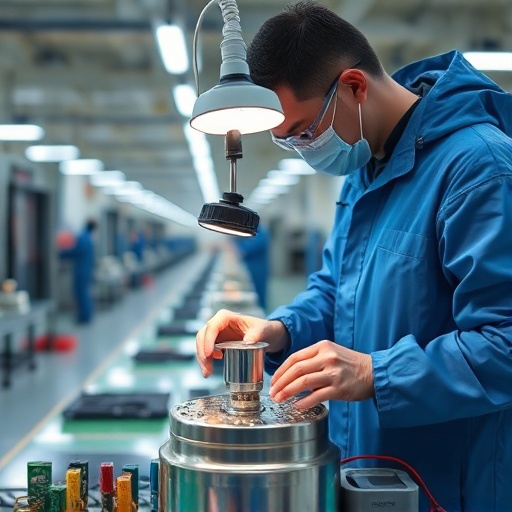
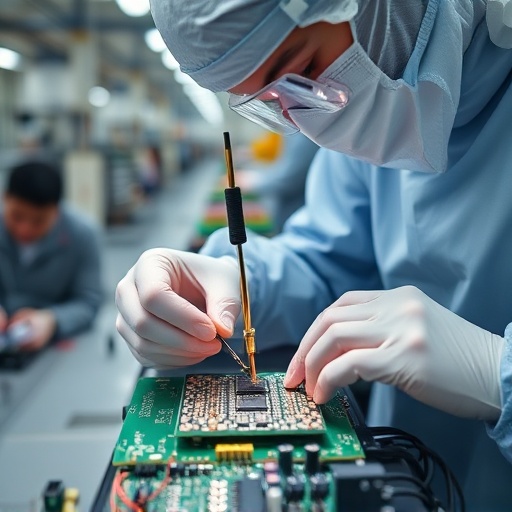
Walking through a typical assembly line in Shenzhen, the difference between a high-end feeder and a budget “white label” unit is palpable. You can smell the ozone from the soldering stations and hear the rhythmic clacking of injection molding machines. On the line, I often see workers handling antenna modules with bare hands, introducing oils that degrade signal reception over time.
Too many factories treat the WiFi antenna as an afterthought, tucking it behind a metal motor casing or near high-draw LED indicators. When I see an antenna pressed against a magnetic motor, I know exactly why the customer’s unit will drop its connection within forty-eight hours of deployment. At DDPark, our approach is different. We treat the pilot run as a forensic exercise. If the signal-to-noise ratio deviates by even 3dB during stress testing, we stop the line. We don’t just ship boxes; we validate the entire RF environment.
Hardware-Level Interference
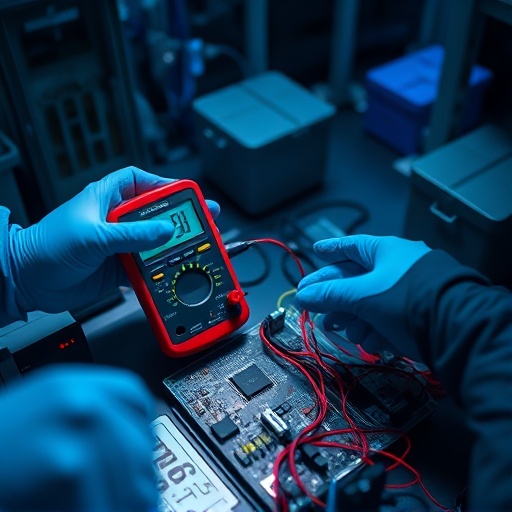
The persistent myth is that a stronger router will solve your feeder’s disconnection woes. That is rarely the case. The real culprit is often the power delivery network (PDN). When the camera activates its infrared night vision or the auger motor turns to dispense kibble, the sudden current spike causes a voltage sag. If the WiFi module shares the same rail as these high-consumption components, it will brown out, forcing a reset.
We solve this by isolating the power rails. By using dedicated voltage regulators for the communication module, we ensure that the WiFi handshake remains steady, even when the motor is working hard to push through a stubborn kibble jam. My personal opinion? Most manufacturers are too cheap to include a high-quality capacitor on the board to smooth out these spikes. It costs pennies, but it saves your brand’s reputation.
The Firmware Fallacy
Many clients assume an Over-the-Air (OTA) update is a magic wand. If your hardware design is fundamentally flawed, no amount of code optimization will bridge the gap. I have sat in meetings where engineers tried to “fix” signal drops by tweaking reconnection logic in the app. This is a band-aid on a broken leg.
Contrarian as it sounds, I believe we rely too heavily on cloud-based handshakes. A well-designed feeder should prioritize local signal robustness first. We focus on the “re-association” logic—how the device behaves the microsecond it loses the beacon. If your feeder takes sixty seconds to find the SSID again, the user experience is already ruined. A sub-five-second recovery is the gold standard we aim for in every build.
Engineering Beyond the Basics
Connectivity isn’t just about the antenna; it’s about the ecosystem. We integrate high-precision infrared sensors and magnetic pumps that do not generate EMI (electromagnetic interference), which often causes false-positive sensor triggers or WiFi drops. I recall a specific failure case where a feeder suffered from consistent food jams due to an impeller design with an insufficient anti-clog gap. We fixed this by redesigning the anti-jam infrared detection system, which simultaneously reduced the electrical load on the main board, stabilizing the connection as a byproduct.
Industry Standards and Future-Proofing
OEM customers are increasingly demanding Matter-compatible devices to ensure the Tuya Smart Ecosystem remains reliable. Whether you are targeting markets in the USA, Germany, or Japan, your feeders must meet CE/FCC/RoHS certification. DDPark leverages three generations of pet expertise to ensure your products feature food-grade, BPA-free materials that pass stringent FDA and UL standards.
| Feature | Standard Feeder | Premium Feeder | DDPark OEM |
| :— | :— | :— | :— |
| WiFi Module | 2.4GHz basic | 2.4/5GHz dual | Optimized 2.4GHz |
| Antenna | Internal PCB | External whip | Shielded high-gain |
| Firmware | Stock | Custom | Proprietary stable |
Explore DDPark Smart Pet Product Catalog or learn more about our 10+ Years Manufacturing Expertise. If you are ready to scale, Request a Free OEM Quote from DDPark today.
Frequently Asked Questions
Q: Why does my smart pet feeder keep disconnecting from WiFi?
A: Most disconnections stem from weak antenna placement, poor firmware handling of 2.4GHz interference, or insufficient power delivery to the network module.
Q: Can firmware updates fix feeder connection issues?
A: Yes, optimized OTA (Over-the-Air) updates can improve signal handshake protocols and reconnecting logic after power cycles.
Work with DDPark
We provide stable Tuya connectivity, aging test before shipment, CE FCC RoHS certified, food-grade BPA-free materials to ensure your brand succeeds in global markets.
Ready to Start Your OEM Order?
Contact our B2B team today for pricing, MOQ, and custom branding options.