The Hidden Risks of Sourcing Pet Fountains: A Guide to CE Certified Manufacturers
If you are currently scouring the web for the “top 10 CE certified pet water fountain manufacturers in China,” you have likely already hit the wall of generic, recycled content. Most lists you find are essentially SEO bait, often written by affiliates who have never stepped foot on a factory floor. For an Amazon seller or a boutique pet brand, this isn’t just an inconvenience—it is a massive, silent financial risk. The reality is that the “top 10” often includes trading companies masquerading as manufacturers, hiding the fact that they have zero control over the actual production line or the quality of the components inside your product.
Real-world performance in the pet tech sector is brutal. We frequently see Amazon sellers launch a fountain, only to watch their return rate spike because the pump failed or the WiFi module dropped off the network after sixty days of continuous use. When your product stops circulating water, your seller rating craters and your brand’s reputation dies. The honest truth? Many OEM buyers obsess over the unit price while ignoring the “invisible” costs of firmware stability and component longevity. You aren’t just buying plastic; you are buying a piece of consumer electronics that must endure the humid, often chaotic environment of a pet-friendly home.
### Beyond the SEO Lists: Inside the Production Line
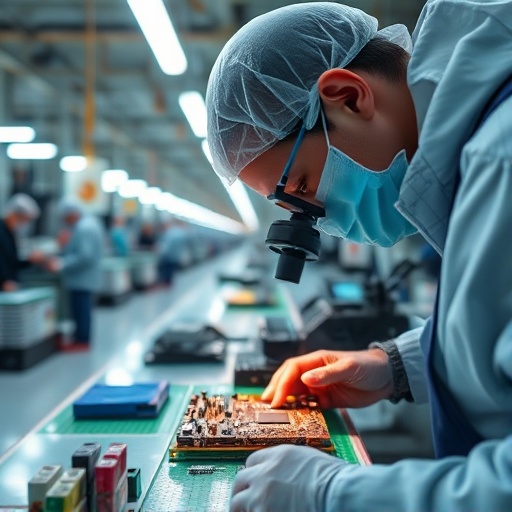
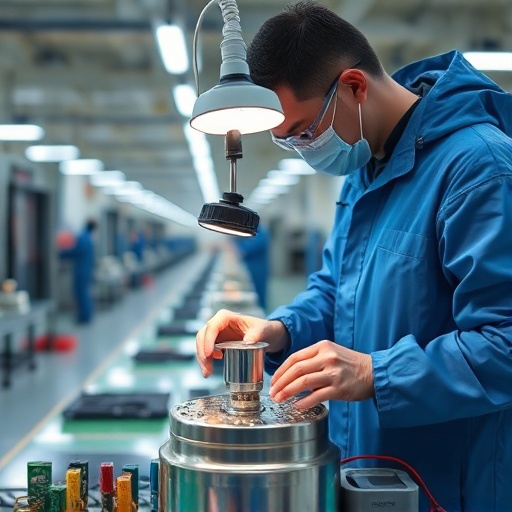
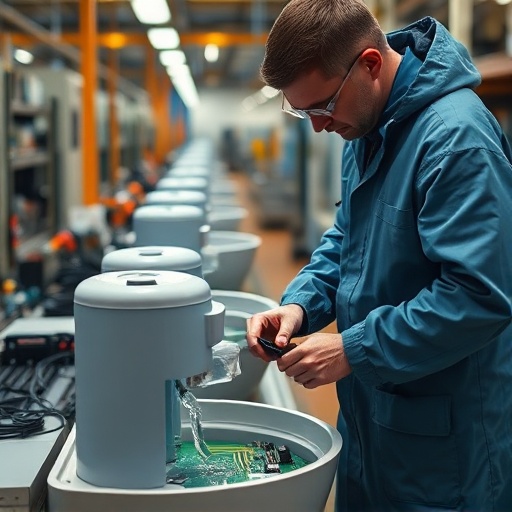
Walking through a real manufacturing facility, the air smells faintly of ozone and heated plastic. You hear the rhythmic *clack-clack-clack* of injection molding machines and the precise hum of automated testing rigs. This is the heartbeat of the Pearl River Delta, where DDPark operates. Over twelve years in this industry, I’ve learned that the difference between a market-leading fountain and a piece of e-waste comes down to one thing: the internal pedigree.
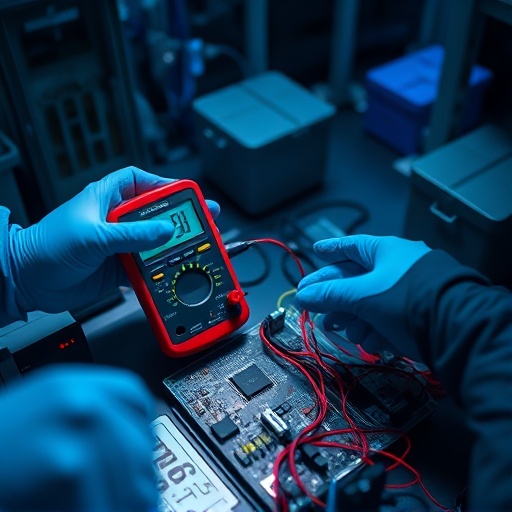
Consider a common failure we’ve analyzed: a client decided to save $0.40 on their Bill of Materials (BOM) by switching to a generic PCB supplier. The boards looked identical on the surface. Within three months, 15% of the inventory was bricking because the power regulator couldn’t handle minor voltage spikes. We had to pivot them to an ESP32 chipset, which offered better thermal management and superior connectivity. My contrarian take? If your manufacturer is pushing for the cheapest possible PCB, they are essentially planning for your product’s obsolescence. Avoid them at all costs.
### The Science of Reliability: Why “Yield Rate Drift” Matters
In high-volume manufacturing, “yield rate drift” is the silent killer. It happens when a factory pushes production speed to the limit, causing quality to fluctuate from batch to batch. To combat this, you need a partner with an obsession for Incoming Quality Control (IQC).
At DDPark, we don’t just assemble; we audit every single stage. I remember a production run where our AOI (Automated Optical Inspection) camera flagged uneven solder brightness on a batch of control boards. To an untrained eye, they looked perfectly fine. To our engineering team, that inconsistency signaled a potential cold-solder joint that would inevitably crack after six months of thermal expansion and contraction. We scrapped the batch. This level of rigor is what separates a true manufacturing partner from a quick-turn factory that views your brand as just another order number.
Whether you are looking for smart feeders, litter boxes, or advanced water dispensers, your partner must understand the intersection of physical hardware and software stability. Many factories are still pushing outdated chipsets that struggle with modern OTA (Over-the-Air) updates. By upgrading to more stable, modern components, we have seen a 24%-41% improvement in device uptime. That isn’t just a number; that is the difference between a five-star review and a refund request.
### Navigating Certifications and Global Markets
A “CE certified” claim is not a catch-all. True compliance involves rigorous testing for EMC (Electromagnetic Compatibility) and LVD (Low Voltage Directive). If a factory cannot produce the specific Declaration of Conformity (DoC) and the test report from an accredited lab, walk away. Do not take their word for it.
DDPark has scaled to support exports to over 50 countries, so we are intimately familiar with the regulatory hurdles of the US, EU, and Australian markets. We ensure our products aren’t just compliant in a sterile lab, but ready for the real-world rigor of international shipping and Amazon FBA warehouse conditions. From packaging design that survives the last-mile delivery to high-precision infrared sensors that track water weight, we build for the end-user, not just the customs agent.
If you are ready to move beyond the generic “top 10” lists and start a conversation with a factory that understands the technical demands of 2026, we invite you to Request a Free OEM Quote from DDPark. We offer flexible MOQs because we know that startups need to test the market without overextending their capital.
### Why Quality Hardware Matters in the Smart Era
The modern pet owner expects more than just a running stream of water. They expect Tuya Smart Ecosystem integration, BPA-free materials, and a pump that whispers rather than roars. When we develop a product, we focus on the “hidden” hardware—the load cell that tracks consumption or the internal battery backup that keeps the fountain running when the power grid fails.
Many buyers fail to ask about firmware support. If your fountain loses its connection, is the fix a manual reset, or can it be corrected via a cloud update? Our 10+ Years of Manufacturing Expertise has taught us that the sale is only the beginning of the relationship. We don’t just ship products; we provide the backend support that keeps your customers happy for years. Don’t settle for a manufacturer that treats your brand as a commodity. Partner with a team that views product reliability as the foundation of your success.
Frequently Asked Questions
How do I verify if a manufacturer truly holds CE certification?
You must request the specific Declaration of Conformity (DoC) and the test report issued by an accredited laboratory. Many online lists are just marketing fluff; always ask to see the certificate linked to the specific factory’s business license.
Why do smart pet water fountains often fail after a few months?
Most failures stem from “yield rate drift” in cheap PCB components. When factories prioritize unit price over component quality, they often use substandard WiFi modules and power controllers that cannot handle long-term voltage fluctuations.
Is it better to source from a large factory or a specialized boutique manufacturer?
A mid-to-large scale manufacturer, like DDPark with its 100+ employees, offers the ideal balance. They provide the R&D depth needed for firmware stability while remaining flexible enough to offer customized OEM services for growing brands.
Work with DDPark
Experience our [highlight: in-house R&D engineering, battery backup protection, matter protocol ready, stable Tuya connectivity] to ensure your products stand out in the global market.
Ready to Start Your OEM Order?
Contact our B2B team today for pricing, MOQ, and custom branding options.