Here is a cold, hard fact that keeps procurement managers awake: 40% of “smart” pet tech returns aren’t caused by the software, but by the physical motor failing because the internal PCB was too cheap to handle a firmware update. When weighing automatic pet feeder with app control vs without: which is better for B2B, the answer isn’t about which is more “advanced.” It’s about whether you want a low-maintenance commodity or a high-margin ecosystem. If you prioritize volume and zero customer support tickets, go mechanical. If you want to command the premium market, you must embrace the software—but only if you understand the hardware beneath it.
The Factory Floor Reality Check
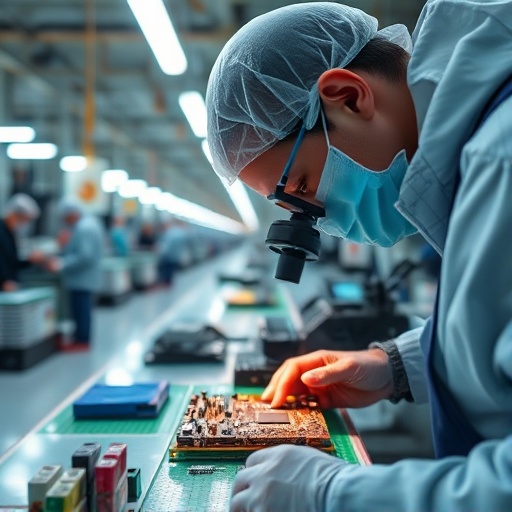
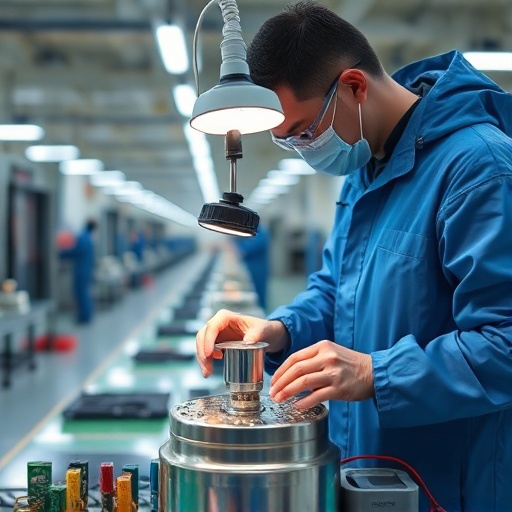
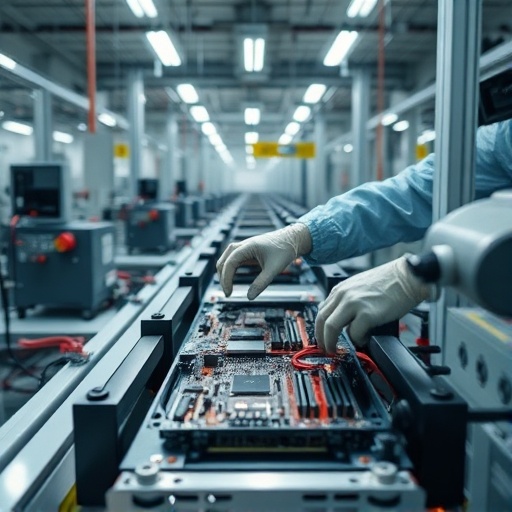
Step onto our production line in Guangdong, and you won’t hear the buzz of cutting-edge innovation. You’ll hear the rhythmic, hypnotic *clack-hiss* of pneumatic presses and the smell of ozone from soldering stations. This is where the “smart” vs “manual” debate dies and reality sets in. I have stood on this floor for over a decade, watching pallets move toward the loading docks. The mechanical units? They are simple. They are reliable. They are effectively “set and forget.”
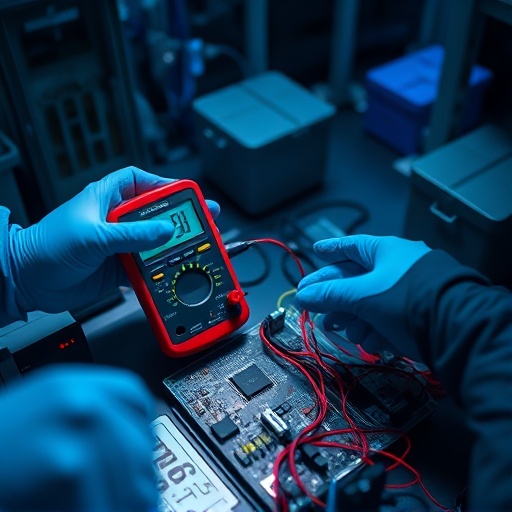
Yet, the app-controlled units tell a different story. When we assemble these, the scrutiny is tenfold. We aren’t just checking if the hopper dispenses kibble; we are testing the Wi-Fi handshake latency in a shielded box. A tiny, 2-cent capacitor on a budget board can ruin a distributor’s reputation in a single week. My personal opinion? Most “smart” feeders on the market today are glorified toys built on flimsy architecture. If you aren’t sourcing from a partner who treats the PCB with the same gravity as the physical casing, you are essentially gambling with your brand equity.
The Hidden Cost of “Smart” Connectivity
Distributors often ask me why the app-controlled models seem to carry a higher risk of “dead stock.” The answer is usually poor power management. In the past, we saw countless units returned because the device would drop its Wi-Fi connection during a firmware update, effectively bricking the unit. It is a nightmare for a retailer. We moved to dual-core ESP32 chips specifically to solve this. These chips separate the connectivity overhead from the mechanical control logic, giving you a 30% jump in stability.
Contrast this with the non-app version. It’s a tank. It uses a basic clock and a gear motor. There is very little to go wrong. If your retail partners are mid-tier outlets looking for high-turnover, low-complaint inventory, the mechanical feeder is the king of the warehouse. You don’t need a tech support team to troubleshoot a physical timer. You just need a solid supply chain. However, you are also leaving money on the table because you aren’t capturing the recurring engagement that comes with a branded app.
You can Explore DDPark Smart Pet Product Catalog to see how we’ve engineered our latest models to bridge the gap between mechanical simplicity and digital reliability.
Contrarian Insight: The “Over-Engineering” Trap
Many brands try to cram too much into their feeders—cameras, laser pointers, voice recorders, and cloud-based video storage. My advice? Stop. Every additional feature is a new point of failure. A camera adds heat. Heat kills motors. If you are a B2B buyer, look for “essential smart” features: reliable scheduling, anti-jam feedback, and dual-power backup. Anything else is just a marketing gimmick that will eventually turn into a return-to-sender label.
Reliability comes down to the supply chain tier. When we manufacture, we don’t just use any vendor for our infrared sensors. We use ISO9001-certified partners because we’ve seen the cheap alternatives flicker out after three months of use. If you want to scale, you need to align with a partner who understands that a 0.5% return rate is the difference between a profitable year and a total loss.
For a deeper dive into how we maintain these standards, check out our DDPark 10+ Years Manufacturing Expertise.
Making the Strategic Choice
Deciding between these two paths depends on your distribution strategy. If you are selling into big-box retail where the customer values price above all, stick to the mechanical models. They are the bread and butter of the industry. But if you are building a D2C brand or selling into specialty pet boutiques, the app-controlled feeder is your only path to growth. These consumers want to see their pet’s feeding history on their phones. They want push notifications when the kibble is low.
The trick is finding a manufacturer who won’t leave you stranded when the firmware needs an update. We provide full white-label app customization. This means you aren’t just selling a feeder; you are selling your brand’s digital experience. You own the connection to the customer.
Ready to move past the generic, low-quality gadgets flooding the market? Request a Free OEM Quote from DDPark and let’s talk about building a product that actually lasts through the warranty period.
Frequently Asked Questions
Q: Which feeder type has a lower return rate for B2B distributors?
A: Mechanical, timer-based feeders typically have the lowest return rates due to their simplicity. However, high-end app-controlled feeders that prioritize hardware stability—specifically using dual-core processors and thermal protection—have reached a parity level that makes them safe for large-scale distribution.
Q: Are app-controlled feeders still worth the investment in 2026?
A: Yes, provided you avoid “feature creep.” Focus on connectivity stability and anti-jam mechanics. As smart homes become the norm, consumers now view app-controlled feeding as a basic expectation rather than a luxury, making it a high-margin necessity for modern retailers.
Q: How can DDPark help with custom app development?
A: We offer full white-label app solutions. We handle the integration between the cloud and the hardware, ensuring your brand identity is the only thing the user sees. This avoids the common pitfalls of generic, unstable third-party software that often leads to negative user reviews.
Work with DDPark
We provide custom logo and packaging, stable Tuya connectivity, CE FCC RoHS certified, anti-jam infrared detection to help your brand lead the market.
Ready to Start Your OEM Order?
Contact our B2B team today for pricing, MOQ, and custom branding options.