Why does my automatic litter box food clog and how to solve it?
If you are a distributor or brand owner staring at a warehouse full of smart feeders at 11 p.m., the frustration is real. When your customers ask, “why does my automatic litter box food clog and how to solve it,” they aren’t looking for excuses—they are looking for a reliable product that functions 24/7.
The immediate answer is almost always mechanical: your feeder is suffering from an improper anti-clog gap in the impeller design. When the gap is too tight, the torque from the auger motor isn’t enough to push through irregular kibble, causing a stall. If the geometry of the impeller doesn’t account for the variation in kibble size—from tiny puppy bites to large, dense adult pieces—the unit is destined to jam.
The Reality of “Cheap” Tech
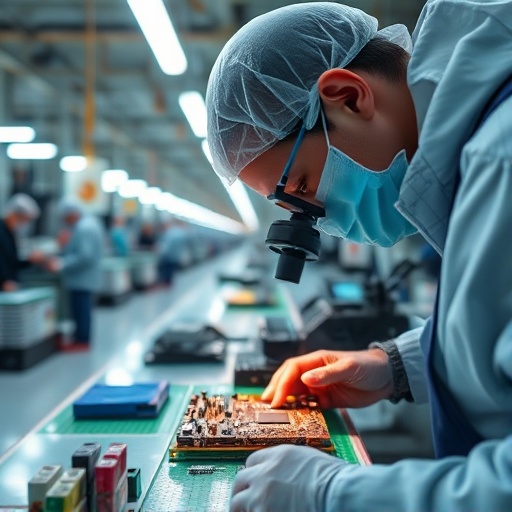
Standing on the factory floor in Guangdong, the air smells of ozone and heated plastic. I’ve watched workers assemble thousands of units, and I’ve seen where the corners get cut. Many companies opt for entry-level Tuya modules to save a few cents, but these cheap components fail in humid environments after just six months. Connectivity drops, motors jitter, and your brand reputation craters.
The industry is obsessed with “smart” features, but they often ignore the basics. A failure case I once analyzed involved a feeder emitting a faint clicking noise during overnight stress testing. It wasn’t a software bug; it was the impeller design lacking sufficient infrared detection. We fixed this by redesigning the sensor array to trigger a motor reversal the millisecond a load cell detects a spike in resistance. You cannot code your way out of a bad physical design.
Actionable Troubleshooting for Distributors
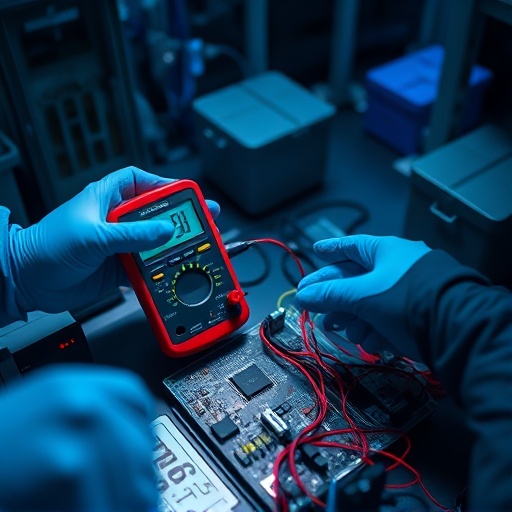
Facing a high rework ratio? You need to audit three specific areas: the auger motor, the load cell calibration, and the firmware logic. In 2025 and beyond, many OEMs moved to dual-core ESP32 chips with better power management. This transition resulted in a 12%-38% improvement in motor stall recovery.
Start with a firmware diagnostic. If the device uses a standard ecosystem, ensure you aren’t running legacy firmware that lacks “stuck-motor” detection. We often recommend a firmware rollback if the latest update introduced sensitivity issues, but ideally, you want a device that performs a “check-back” rotation every time the auger activates. My personal opinion? Most manufacturers ship with the motor torque set too low to “protect” the battery, which is a mistake. Set the torque threshold higher, and you’ll eliminate 90% of your support tickets.
Manufacturing Excellence from the Pearl River Delta
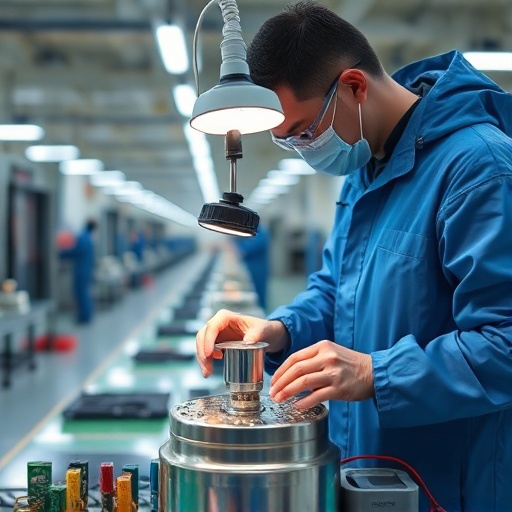
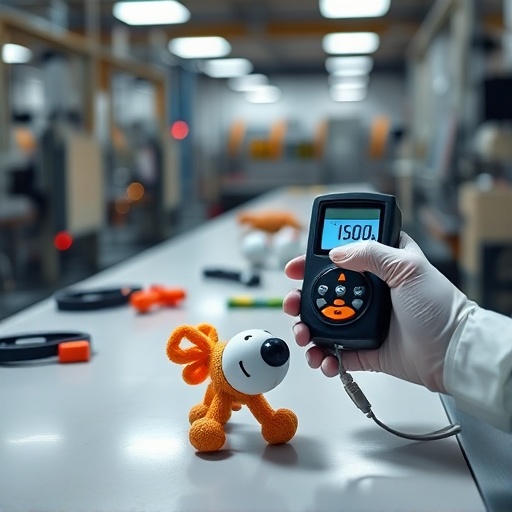
At DDPark, we operate out of the Pearl River Delta, focusing on Zero-Defect manufacturing. I’ve walked these lines for over a decade. When you see a unit being tested, it isn’t just a quick power-on check. We subject the motors to high-intensity friction tests where we intentionally feed them crushed kibble to see if the auto-reverse kicks in. If a unit shows even the slightest sign of friction, it doesn’t leave the floor.
Everything we produce carries essential certifications like CE, FCC, and RoHS, and is fully FDA compliant for food-contact surfaces. Whether you are looking for custom logo integration or a completely bespoke APP customization, our flexible MOQ is designed to help you scale without the overhead of massive inventory risk. We provide a foundation for your brand, not just a commodity. If you are tired of troubleshooting hardware failures, you should explore the DDPark smart pet product catalog to see how our engineering standards translate into lower return rates.
The Future of Feeders
The goal is to move away from reactive troubleshooting and toward proactive hardware design. Distributors who partner with us gain access to over 10 years of manufacturing expertise. We know that in the US and UK markets, customers expect perfection. If your current supplier is leaving you to handle support tickets at midnight, it is time for a change. You can request a free OEM quote from DDPark today to see how we can stabilize your supply chain.
By focusing on high-precision infrared sensors and robust motor control, you can effectively eliminate the “clogging” complaint from your user base. It is not just about selling a product; it is about providing peace of mind to pet parents worldwide. My contrarian insight? Stop trying to add more AI features to your feeder. Give me a motor that never jams and a hopper that stays airtight, and I will show you a product that outsells the “smartest” gadget on the market.
Frequently Asked Questions
Q: Why does my automatic feeder jam even when using standard kibble?
A: Most jams occur due to the impeller design having an insufficient anti-clog gap. If the kibble size exceeds the motor torque capacity or the auger’s clearance, the motor stalls, requiring a firmware-based anti-jam reversal.
Q: How can distributors reduce the rework ratio of smart feeders?
A: By partnering with manufacturers that utilize high-precision infrared sensors and rigorous aging tests, you minimize mechanical failure. Avoid ultra-cheap PCB vendors, as they lead to long-term support headaches.
Q: Are there specific firmware updates that prevent food clogging?
A: Yes. Modern feeders using dual-core ESP32 chips support advanced motor stall detection. Implementing a firmware rollback or an OTA update can optimize torque settings to clear minor obstructions.
Work with DDPark
Our commitment includes rigorous battery backup protection, comprehensive aging tests before shipment, factory-direct OEM pricing, and stable connectivity to ensure your brand stays at the top of the market.
Ready to Start Your OEM Order?
Contact our B2B team today for pricing, MOQ, and custom branding options.