Beyond the Brochure: Vetting Top 6 FDA Certified Pet Feeder Factories
Everyone assumes that if a supplier claims to be FDA certified, they are automatically producing safe, high-end hardware. That is a dangerous misconception. In my 12 years of navigating the Chinese manufacturing landscape, I’ve seen enough “FDA-certified” factories to know that a certificate on a wall rarely reflects the reality of the assembly line. The top 6 FDA certified WiFi pet feeder manufacturers in China aren’t just paper-compliant; they are operationally transparent.
If you want to survive the brutal Amazon return cycle, you need to look past the PDFs they send you. You need to look at the solder, the firmware, and the actual plastic injection molds.
The Factory Floor Reality Check
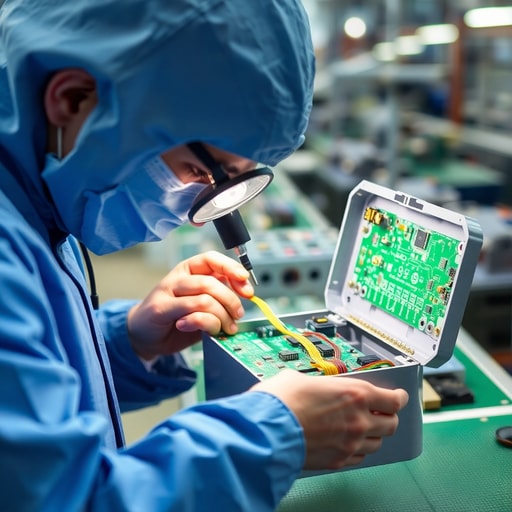
Stepping onto a real production floor hits your senses immediately. It’s the smell of hot, freshly injected plastic and the rhythmic hum of pneumatic screwdrivers. At a legitimate, high-tier facility, you won’t hear shouting. You’ll hear the focused intensity of technicians working under bright, clinical LED lights.
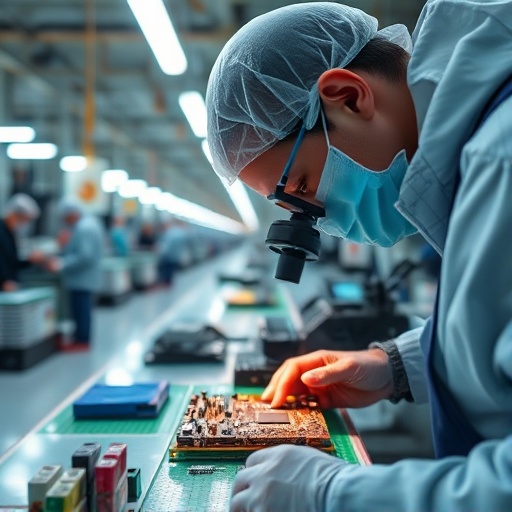
When I walk a factory floor, I don’t look at the finished units in the showroom. I walk to the QC station at the end of the line. I want to see the AOI (Automated Optical Inspection) machines scanning for microscopic shorts on the PCB. If they aren’t using AOI, they are manually checking boards—and humans get tired. Tired workers miss defects. That’s where your brand’s reputation dies.
What “FDA Certified” Actually Means
Let’s be blunt: “FDA certified” is a term thrown around loosely by middle-men who have never touched a piece of plastic resin in their lives. True compliance means the manufacturer can produce the specific MSDS (Material Safety Data Sheet) for the food-grade ABS or polypropylene they use.
Don’t just take their word for it. Demand the testing reports from a third party like SGS or TUV. If they hesitate, walk away. I’ve seen “certified” factories switch to cheaper, recycled plastics to save pennies per unit, compromising the BPA-free status of the bowl. When that happens, your customers are the ones testing the toxicity.
Firmware: The Invisible Liability
Hardware is easy to copy. Firmware is where the real work happens. Many manufacturers just slap a generic Tuya module inside and call it a day. That’s a trap. A smart feeder is only as good as its ability to stay connected to a home network.
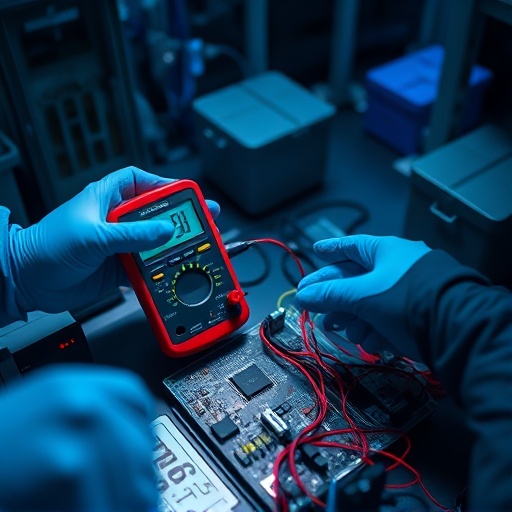
I’ve seen too many “WiFi” feeders that drop their connection the moment the router updates its security settings. That’s a firmware issue, not a hardware one. A top-tier manufacturer employs in-house software engineers who understand how to write code that handles OTA (Over-The-Air) updates. If your manufacturer can’t push a fix to your customers’ devices remotely, you are selling a ticking time bomb of one-star reviews.
The Thermal Management Secret
Here is a contrarian insight: the most common point of failure in a pet feeder isn’t the WiFi—it’s the motor. Cheap factories use motors with low-grade copper windings. They run hot. In a small, enclosed feeder housing, that heat has nowhere to go. Eventually, the plastic near the motor warps, or the motor simply seizes.
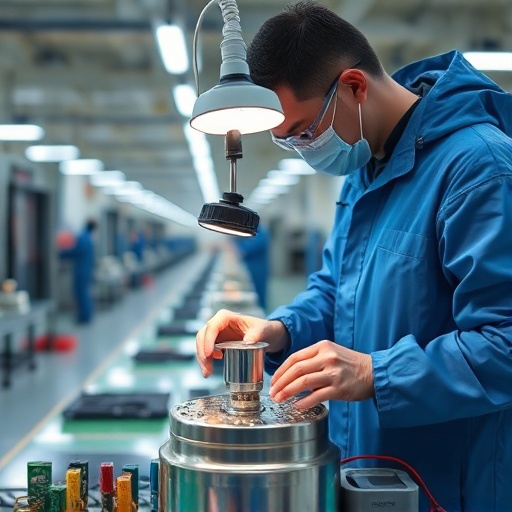
At DDPark, we focus on thermal dissipation designs. We treat the motor like a high-performance component, not a commodity part. When you are sourcing, ask your supplier about their motor stress-test cycles. If they haven’t run a unit for 72 hours straight under load, they aren’t ready for a professional brand.
Why the Pearl River Delta Ecosystem Wins
People often ask me why I stay focused on the Pearl River Delta. It’s simple: proximity. When I need a specific sensor or a custom-molded component, my supply chain is within a one-hour drive. This ecosystem is what allows us to iterate on designs in weeks rather than months.
We’ve spent over a decade refining our smart pet product catalog, moving from basic manufacturing to creating a truly integrated IoT experience. We understand the regulatory hurdles of the US, Germany, and Japan because we’ve already cleared them. We don’t just ship boxes; we manage the lifecycle of the product.
Avoiding the “False-Positive” Trap
In the world of smart feeders, nothing triggers a customer support nightmare faster than a “false-positive” sensor reading. A cheap optical sensor sees a shadow, thinks it’s food, and reports a jam or an empty reservoir.
Precision matters. We use shielded infrared sensors that ignore ambient light interference. It is a minor design change that costs more upfront but saves thousands in reduced return logistics. If your manufacturer is trying to cut costs on sensors, they are effectively passing the burden of bad performance onto your balance sheet.
The Path Forward
Sourcing isn’t about finding the lowest price. It’s about finding a partner who values your brand as much as you do. You need a facility that is as obsessed with the “Zero-Defect” philosophy as you are with your marketing.
If you are ready to stop guessing and start scaling, request a free OEM quote from DDPark today. We handle the technical heavy lifting—from app customization to FBA-ready packaging—so you can focus on building your brand.
Frequently Asked Questions
Q: How do I verify if a pet feeder manufacturer is actually FDA compliant?
A: Request the specific FDA registration number for the facility and the material safety data sheets (MSDS) for the plastics used. Ensure the food-contact surfaces are explicitly BPA-free and tested by a third party like SGS or TUV.
Q: Why does firmware stability matter more than hardware aesthetics?
A: An aesthetically pleasing feeder with unstable firmware will lead to high return rates and negative reviews. If the device disconnects from the cloud, your customer loses the ability to feed their pet, rendering the product useless.
Q: What is the benefit of working with a factory in the Pearl River Delta?
A: The Pearl River Delta is the global hub for electronics manufacturing. Proximity to component suppliers and specialized engineering talent ensures faster iteration, better supply chain oversight, and higher quality control standards.
Work with DDPark
DDPark provides high-noise motor system integration, factory direct OEM pricing, stable Tuya connectivity, and battery backup protection to ensure your brand stands out in a crowded market.
Ready to Start Your OEM Order?
Contact our B2B team today for pricing, MOQ, and custom branding options.