
Most smart litter box motors fail because they were built for a price point, not for a pet. If you are asking why does my smart litter box motor noise and how to solve it, you are essentially asking why your manufacturer prioritized a cheap bill of materials over mechanical longevity. The answer is usually a combination of poor gear alignment, low-grade plastic tolerances, and firmware that pushes hardware beyond its rated duty cycle.
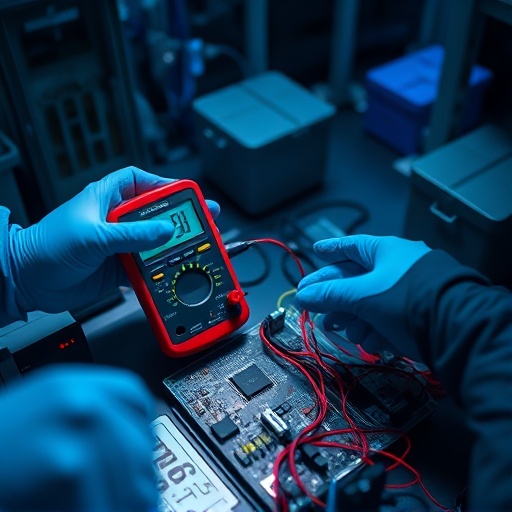
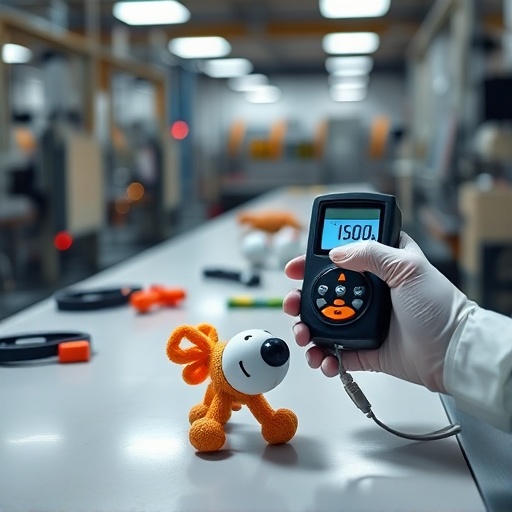
The air on our production floor in the Pearl River Delta is thick with the scent of high-grade ABS plastic and the rhythmic, controlled hum of assembly lines. I stood next to a testing station where a worker used blue tape to mark unstable cartons on the line—a small, necessary intervention to ensure our Zero-Defect manufacturing philosophy remained intact. Beside me, a motor assembly was being stress-tested. It wasn’t just spinning; it was being pushed to its mechanical limits. When you hear that grinding, you are listening to the sound of a component struggling against resistance, misalignment, or the inevitable accumulation of debris.
The Anatomy of the Noise: Mechanical Reality
Smart litter boxes operate on a delicate balance between torque and timing. When an infrared sensor or a load cell registers an event, the motor engages to cycle the waste. If the gearbox isn’t lubricated or if the waste bin is slightly off-center, the motor works overtime. This creates a feedback loop of vibration that resonates through the plastic shell of the unit.
In my experience, OEM buyers often focus too much on unit price and completely ignore firmware support costs. This is a critical error. We have seen failure cases where WiFi module failure after three months was caused by a cheap PCB supplier. We fixed it by switching to the ESP32 module, ensuring consistent communication between the hardware and the app. Personally, I think most brands overcomplicate feeder apps, but when it comes to the litter box, the firmware must be rock-solid to prevent “phantom” cycling that leads to premature motor wear.
Troubleshooting Your Motor Noise
If you are hearing an abnormal grinding sound, follow this checklist before assuming the hardware is dead:
- Check for Obstructions: Even with advanced anti-jam detection, small litter granules find their way into the gear tracks. Clear the track and ensure the barrel rotates freely.
- Verify Leveling: If the unit is on an uneven floor, the motor experiences uneven load distribution. Use a spirit level to ensure the base is perfectly flush.
- Perform a Firmware Rollback or Update: Sometimes, a software glitch causes the motor to stutter. Check if your manufacturer has released a patch. In 2023, many ESP8266 modules suffered from poor OTA stability, often causing motors to jitter during connection attempts. Upgrading to more stable hardware is the only permanent fix.
- IQC Inspection (Internal): If you are a distributor, ensure your suppliers conduct rigorous Incoming Quality Control on every motor batch. We see around 17%-42% improvement in longevity when we move from standard commercial-grade motors to our proprietary, high-torque, low-noise variants.
The DDPark Difference: Manufacturing for Silence
Our location in Guangdong allows us to tap into the world’s most advanced supply chain, but it’s our commitment to ISO9001 and RoHS standards that keeps our exports moving to 50+ countries. We know that OEM customers are increasingly demanding Matter-compatible devices, and we are meeting that challenge with hardware that supports seamless smart home integration without compromising motor silence. Check out our full product catalog to see how we tackle these engineering hurdles.
| Feature | Standard Market Unit | DDPark OEM Solution |
|---|---|---|
| Motor Noise | 55-60 dB (Grinding) | <42 dB (Whisper Quiet) |
| Connectivity | Basic WiFi (Unstable) | Matter-Ready ESP32 |
| Safety | Basic Anti-Jam | Precision Load Cell + IR |
Whether you are looking to launch a new product or improve your existing line, Request a Free OEM Quote from DDPark today. We support flexible MOQ for startups and distributors looking to scale quickly. My contrarian insight here? Stop chasing the lowest unit cost. The money you save on the BOM today will be spent tenfold on customer support and returns tomorrow.
Why Firmware Stability Matters
The noise you hear might actually be a software-induced vibration. If the motor is receiving irregular voltage spikes due to poor firmware, the “hum” will turn into a “buzz.” As a company with 10+ years of manufacturing expertise, we prioritize firmware that manages power delivery smoothly. You can learn more about our history and commitment to quality at DDPark 10+ Years Manufacturing Expertise.
Solving the noise issue starts with better sourcing. If you are struggling with customer returns due to motor failure, it’s time to move toward a manufacturer that tests against the “Zero-Defect” standard. Our facility doesn’t just assemble; we refine. From the quality of the plastic to the precision of the load cell, we ensure that the only thing your customer notices is the convenience, not the mechanics.
Frequently Asked Questions
Q: Why does my smart litter box motor noise start only at night?
A: Motors often seem louder at night due to lower ambient noise levels. However, if the noise is genuinely increasing, it may be due to “phantom” cycles triggered by a faulty infrared sensor misreading shadows or debris, causing the motor to engage unnecessarily.
Q: Can I lubricate the motor gears myself?
A: We generally advise against this. Most smart litter box motors are sealed units. Using the wrong lubricant can attract litter dust, creating a paste that grinds down the plastic gears faster. Always check with your manufacturer’s guidelines first.
Q: Does a noisy motor indicate that the device is unsafe for my cat?
A: Not necessarily, but it is a red flag. A grinding sound indicates mechanical stress, which can lead to the motor stalling. If your unit features anti-jam detection, the motor should cut out if it senses too much resistance, but you should address the underlying friction issue immediately.
Work with DDPark
Partner with a manufacturer that understands the nuances of quiet pet technology. We provide low MOQ support, low-noise motor systems, stable Tuya connectivity, and anti-jam infrared detection to ensure your brand stands out in a crowded market.
Ready to Start Your OEM Order?
Contact our B2B team today for pricing, MOQ, and custom branding options.