Why Does My Pet Feeder With Camera Battery Failure and How to Solve It: A Pro’s Troubleshooting Guide
Most consumers assume that if their pet feeder dies, the batteries are simply depleted. They swap in a fresh set, toss the old ones, and move on. In reality, that “dead” battery is often a symptom of a deeper, systemic failure within the feeder’s power management architecture. If you’re asking, “why does my pet feeder with camera battery failure and how to solve it,” you are likely dealing with a hardware-firmware mismatch that no amount of fresh alkaline cells will fix.
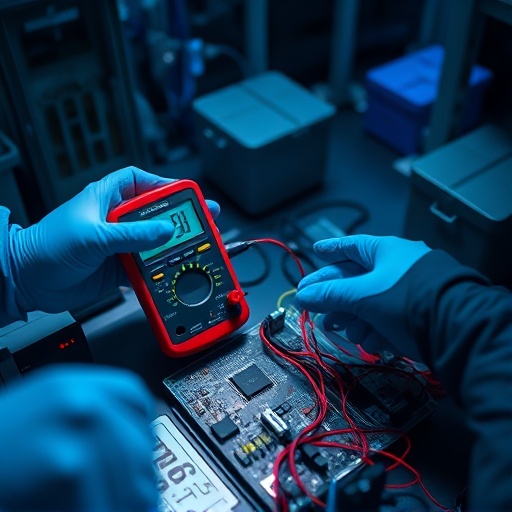
Having spent 12 years walking the factory floors of the Pearl River Delta, I’ve learned that the most reliable products are built on the assumption that things will go wrong. When we design at the board level, we aren’t just looking at battery life; we are looking at how the device handles the “current spike” when the motor engages and the infrared night vision kicks in simultaneously.
## The View From the Factory Floor
I remember standing on an assembly line in Shenzhen during a particularly humid summer. The air smelled of ozone and flux. I watched a technician pull a unit from the line because the battery contact plate felt slightly loose to the touch. That level of scrutiny is what separates a top-tier product from a shelf-filler.
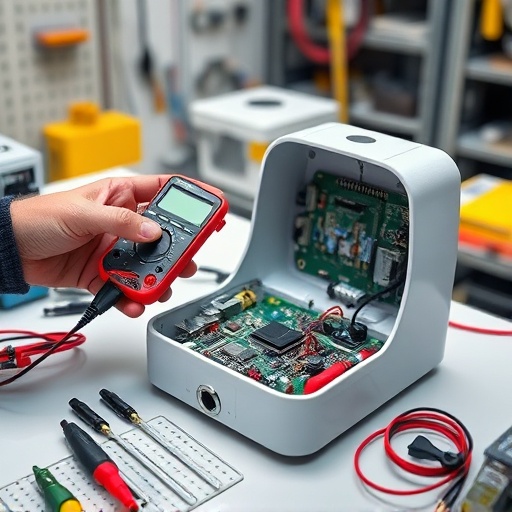
Many “budget” feeders on the market today cut corners on the voltage regulator. When your pet triggers the feeding cycle, the motor draws a massive burst of current. If the PCB (Printed Circuit Board) lacks a robust capacitor to handle that surge, the system experiences a brownout. The camera module, which is sensitive to voltage fluctuations, panics, drops the Wi-Fi signal, and eventually forces a system reboot. You see a dead feeder; the engineer sees a poor power-path design.
## The Anatomy of the Failure
If you want to understand why your feeder is failing, look beyond the battery compartment. Here are the common culprits I see in the field:
### 1. The Motor Stall Trap
Mechanical resistance is the silent killer of battery life. If your feeder’s food chute has even a slight accumulation of kibble dust or a sticky residue, the motor has to work twice as hard to turn the impeller. That extra torque demands more current. If your battery backup isn’t designed for high-drain scenarios, the voltage will drop below the threshold required to keep the camera and microcontroller alive.
### 2. The “Always-On” Camera Fallacy
Some manufacturers fail to implement deep-sleep states. If the camera module remains in an active state—constantly polling for a Wi-Fi handshake—it will drain a set of batteries in less than 48 hours. A well-engineered unit should only wake the camera when the app is opened or a motion sensor is triggered.
### 3. Oxidation and Contact Resistance
I have seen countless units returned to the factory where the batteries were fine, but the metal springs inside the housing were cheap, unplated steel. Over time, these oxidize, creating a thin layer of resistance. This prevents the full voltage from reaching the board. Always check for a dull or rusty finish on those contact points.
## Solving the Problem: A Pro-Active Approach
If you are a distributor looking to minimize returns, or a pet owner tired of resetting your device, follow these steps to stabilize your power management:
* **Upgrade your power supply:** Avoid generic carbon-zinc batteries. Use high-drain lithium batteries that can handle the sudden power demands of a motorized device.
* **Audit your firmware:** If your feeder is Wi-Fi enabled, check the app for updates. Often, manufacturers release patches that optimize the “sleep-wake” cycles of the camera, extending battery life by weeks.
* **Clean the mechanical path:** Use a dry, soft brush to clear the food impeller. Reducing the mechanical load on the motor is the single most effective way to prevent premature battery drain.
* **Stabilize the environment:** If the feeder is placed in a corner of the house with a weak Wi-Fi signal, the device will constantly ramp up power to maintain a connection. Move your router or the feeder to ensure a stable signal.
## The DDPark Standard: Manufacturing for Reliability
At DDPark, we have spent a decade refining the balance between smart functionality and power efficiency. We don’t just ship units; we simulate them. We put our smart feeders through rigorous “aging tests” where we cycle the motor thousands of times while monitoring voltage stability.
My personal opinion? Any smart feeder that doesn’t include a physical power-path protection circuit is essentially designed to fail. If you are sourcing for your brand, you need to demand documentation on the power management IC (PMIC) used in your units. Don’t settle for “it works on the bench.” Demand to see the discharge curves under load.
If you are ready to move past the “dead feeder” complaints and build a reputation for quality, let’s talk. Our team knows how to navigate the complexities of IoT power management to ensure your customers stay connected to their pets. Request a Free OEM Quote from DDPark today, and let’s engineer a solution that actually lasts.
For those interested in the deeper technical side of our production, read about DDPark’s 10+ years of manufacturing expertise. We are here to ensure your brand stands out for all the right reasons.
Frequently Asked Questions
Q: Why does my pet feeder with camera lose power even with batteries installed?
A: This is usually due to a voltage drop. When the motor engages, it creates a current spike that the batteries cannot satisfy due to high internal resistance or poor contact quality. Ensure the battery terminals are clean and you are using high-drain lithium batteries.
Q: How can I prevent battery drain in my smart pet feeder?
A: Ensure the device has a clear line of sight to your router to prevent the Wi-Fi chip from working overtime. Additionally, keep the food path clean to prevent motor stalls that force the battery to work harder than necessary.
Q: Is it better to use rechargeable or alkaline batteries for pet feeders?
A: While rechargeable batteries are eco-friendly, they often have a lower voltage output than premium alkaline or lithium cells. Check your manual; if the device requires high-surge power for the camera and motor, non-rechargeable lithium cells are typically the most reliable choice.
Work with DDPark
Our solutions feature in-house R&D engineering, battery backup protection, aging test before shipment, and factory direct OEM pricing to ensure your brand stands out in a crowded market.
Ready to Start Your OEM Order?
Contact our B2B team today for pricing, MOQ, and custom branding options.