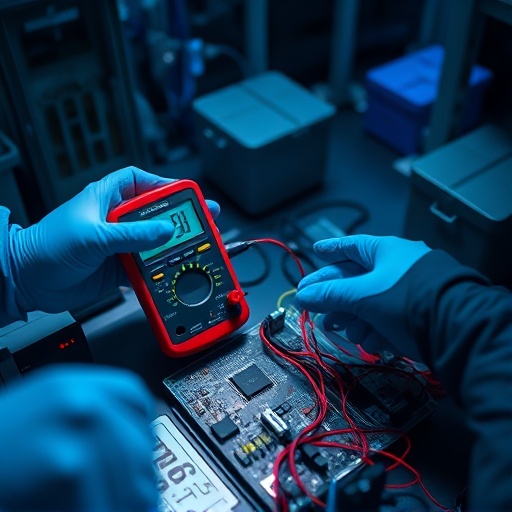
To fix motor noise in a pet feeder with camera, clear the auger path of debris, reset the device firmware, and ensure your power adapter delivers a stable voltage. If the grinding persists, you are likely dealing with mechanical friction in the auger assembly or substandard copper windings within the motor itself. Most “smart” failures aren’t software bugs; they are physical realities of cheap components failing under the stress of daily operation.
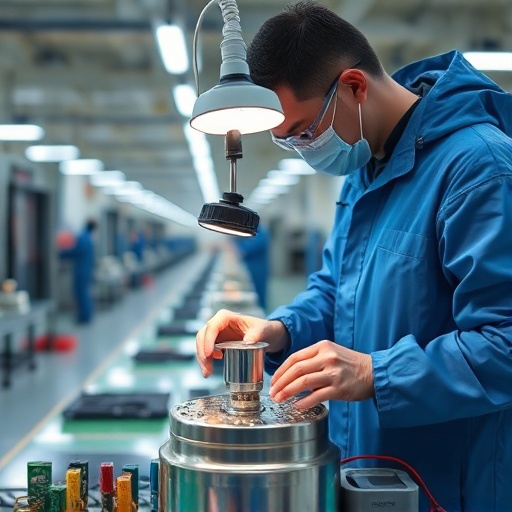
Standing on a factory floor in Dongguan, the smell of hot plastic and solder is unmistakable. I remember watching a line of units undergo stress testing; the air was thick with the rhythmic hum of conveyor belts. One specific batch of feeders emitted a sharp, erratic clicking sound. The QC manager tried to blame the plastic casing, but after stripping the unit down, we found the culprit: a poorly seated gear tooth in the auger drive. It was a classic case of a factory rushing a mold cycle. That experience taught me that if you want to understand how to fix motor noise in pet feeder with camera systems, you have to look past the app interface and touch the hardware.
### The Anatomy of a Grinding Motor
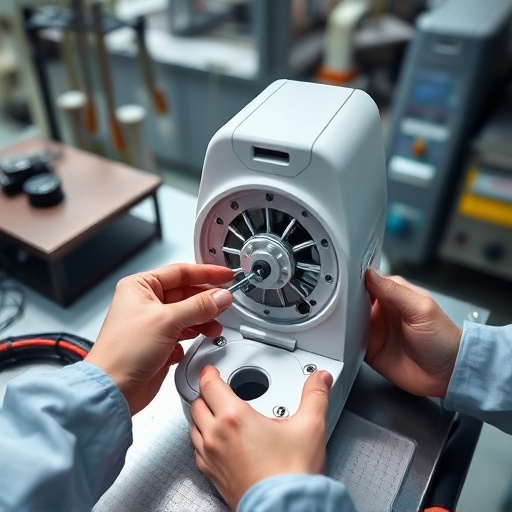
Pet owners are hyper-sensitive to noise. When a device that is supposed to be silent starts whining at 5:00 AM, the product is essentially dead to the user. From a manufacturing perspective, motor noise usually originates from three specific failure points. First, the gearbox lubrication. If the factory uses low-grade grease, it dries out within months, leading to metal-on-metal friction. Second, the motor housing alignment. If the tolerance in the injection-molded chassis is off by even half a millimeter, the motor shaft will vibrate against the frame.
Finally, we have the electrical resonance. Many entry-level feeders use pulse-width modulation (PWM) to control motor speed. If the frequency is poorly calibrated, the motor creates an audible high-pitched whine. This is why our DDPark 10+ Years Manufacturing Expertise includes rigorous sound-level testing in an anechoic chamber. You cannot rely on visual inspection alone to identify a motor that will fail after three months of use.
### Why Firmware Rollbacks Often Mask Hardware Issues
A common misconception is that a software update can “smooth out” a mechanical grind. I’ve seen brands push firmware patches that lower the motor torque to mask the noise. This is a dangerous shortcut. By reducing torque, you might silence the click, but you increase the risk of food jams. If you are troubleshooting, perform a firmware rollback to verify the baseline mechanical noise. If the noise remains, your motor is mechanically compromised.
I hold a contrarian view on the industry’s obsession with “smart” features. Everyone wants a 1080p camera and AI-pet recognition, yet they neglect the torque requirements of the auger. A camera-equipped feeder is a premium product. If the motor sounds like a blender, the camera becomes an afterthought. When you Explore DDPark Smart Pet Product Catalog, you will notice we prioritize the structural integrity of the feed mechanism first. Reliability is the only feature that actually matters to a pet owner.
### Bridging the Gap Between Design and Reality
When you are sourcing, you need to demand an aging test report that includes a decibel analysis. Most factories will tell you their motors are “silent,” but they test them in empty, ambient-noise environments. Ask for a test under load—with kibble in the hopper. The resistance of the food changes the vibration profile of the motor entirely.
If you are currently facing high return rates due to noise, start by auditing your power supply. A fluctuating voltage will cause the motor to “stutter,” creating a rhythmic buzzing. If the voltage is stable and the auger is clear, you are looking at a batch-level defect. This is where Request a Free OEM Quote from DDPark becomes a strategic move. We don’t just assemble; we validate the entire mechanical chain.
### The Cost of Cheap Components
You get what you pay for in the Pearl River Delta. I have seen countless brands fail because they sourced motors with aluminum windings instead of copper. Aluminum is lighter and cheaper, but it creates more heat. Heat causes the plastic gear housing to warp. Once that housing warps, the noise begins. It is a slow, predictable death for the product.
My advice? Always request a teardown sample from the actual production line, not the “golden sample” the sales team sends you. If you can’t easily remove the motor assembly for maintenance, your customers won’t be able to either. A well-engineered feeder should be serviceable, not a sealed tomb of plastic and glue.
Frequently Asked Questions
Q: Can a noisy motor damage my pet feeder’s camera?
A: Yes. Prolonged motor vibration can cause internal mounting screws to loosen, potentially misaligning the camera lens. Additionally, the heat generated by a failing, high-friction motor can degrade the image sensor over time.
Q: How do I know if the noise is a manufacturing defect?
A: If you have cleared the auger, verified the voltage, and the noise is rhythmic or grinding, it is almost certainly a defect. Look for “plastic dust” near the gear teeth; this is a tell-tale sign of misalignment during assembly.
Work with DDPark
Experience our aging test before shipment, CE FCC RoHS certified, battery backup protection, anti-jam infrared detection standards to ensure your brand stands out in the global market.
Ready to Start Your OEM Order?
Contact our B2B team today for pricing, MOQ, and custom branding options.