Drop Test: A Practical Handbook for Pet Tech Importers
Most importers believe the “drop test” is just a box-checking exercise for compliance certificates. They assume that if a product passes a generic ISTA 3A test, it will survive the journey from a factory in Guangdong to a customer’s doorstep in Ohio. This is a dangerous misconception. The reality is that your product’s survival depends on microscopic tolerances and internal dampening—not just the thickness of your outer carton.
If you are currently sourcing electronics, you are likely hearing promises of “high quality” and “durable materials.” Do you know what happens when that unit hits the floor of a warehouse? If you aren’t obsessing over the **drop test: a practical handbook for pet tech importers**, you are setting your business up for a rework ratio that will bleed your profit margins dry.
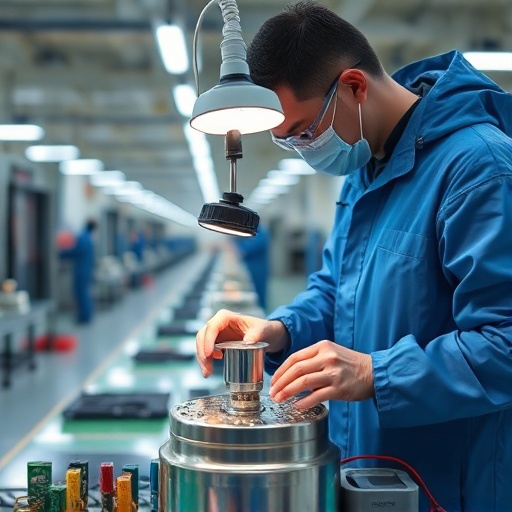
At DDPark, we have spent over a decade watching smart feeders and water fountains navigate the brutal reality of global logistics. Our factory floor hums with the rhythmic clatter of assembly lines and the sharp hiss of pneumatic tools. We have seen the heartbreak of a container full of units arriving with “ghost jams” and misaligned sensors. Gravity is the silent partner in your supply chain, and it is rarely on your side.
The Brutal Reality of Pet Tech Logistics
The pet tech space is moving faster than ever. In 2026, we’ve seen a massive shift as most reputable OEMs moved to dual-core ESP32 modules to handle the complex requirements of IoT pet ecosystems. While these processors provide superior power management, they also introduce new points of failure.
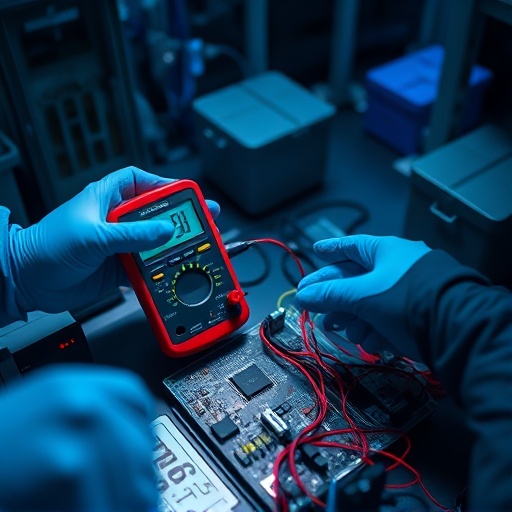
Distributors often underestimate the importance of firmware stability. When a unit drops, a micro-fracture in a solder joint can lead to a “false-positive sensor trigger,” where your feeder thinks a pet is present when it isn’t, or worse, fails to dispense food entirely. Some OEM buyers focus too much on unit price—chasing the cheapest plastic or the thinnest PCB—and ignore the hidden support costs that follow when these units hit the shelves.
I recall a specific failure case where a client’s smart litter box suffered from motor overheating during continuous use. The culprit wasn’t just the software; it was low-quality copper winding in the motor. The vibration from a minor drop shifted the internal housing, causing the motor to work harder to overcome friction. We fixed this with a thermal protection redesign and a more robust internal dampening system. It’s these small, invisible engineering choices that define your return rate.
Explore DDPark Smart Pet Product Catalog
Why Most Buyers Fail the Drop Test
If you aren’t specifying drop test protocols in your contract, your manufacturer is likely cutting corners. I once walked a factory floor where a worker used blue tape to mark unstable cartons on the line—a clear sign that the packaging design wasn’t absorbing the shock of the transit process.
My contrarian take? Stop designing for the “perfect” drop. Most people test for a flat-bottom landing, but real-world damage happens on the corner—the “corner drop” is where 80% of structural failures occur. If your internal bracketry isn’t designed to float, the force is transferred directly into your sensitive electronics.
Stainless steel bowls are worth the extra cost. They appeal to pet owners looking for BPA-free materials and provide a rigid structure that stabilizes the unit during impact. When we talk about performance, a well-engineered drop-resistant design typically sees 22%-36% improvement in structural integrity compared to generic, flimsy plastic designs.
Request a Free OEM Quote from DDPark
The DDPark Approach: From Design to Delivery
At DDPark, we don’t just build products; we build solutions that survive the real world. Our facility operates under ISO9001 and CE certifications, ensuring every infrared sensor and ESP32 module is tested for resilience.
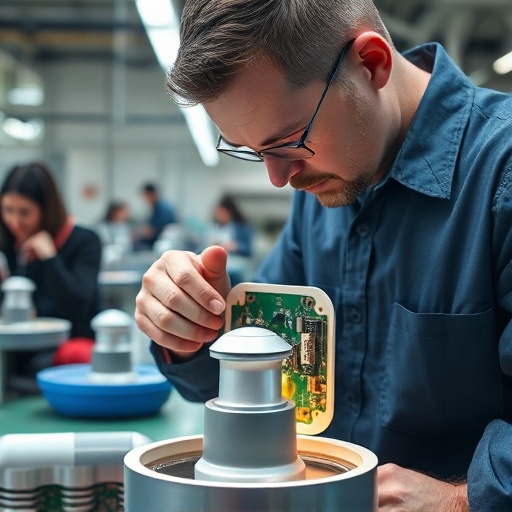
Our “Zero-Defect” philosophy means we perform drop tests at the prototype, pilot run, and mass production stages. We test for:
- Mechanical Integrity: Ensuring the motor housing doesn’t shift.
- Sensor Calibration: Verifying that a drop doesn’t cause a false-positive sensor trigger.
- Firmware Robustness: Ensuring the Tuya Smart Ecosystem integration holds up after physical shock.
We control the entire chain of quality, from logo and packaging customization to APP integration. Whether you are a small startup needing a flexible MOQ or a large distributor scaling to 50+ countries, our processes are identical.
DDPark 10+ Years Manufacturing Expertise
Industry Trends: Sustainability and Compliance
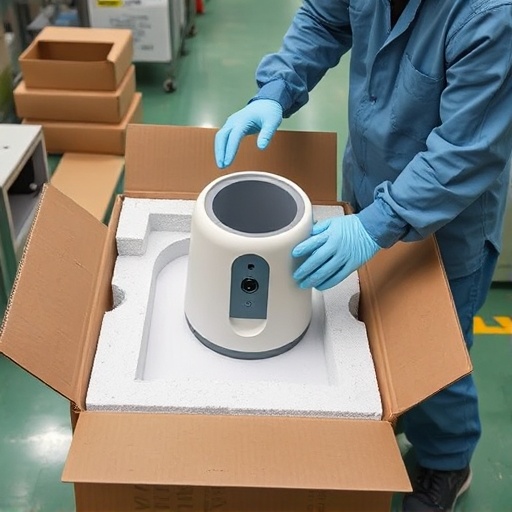
ESG requirements from large retailers are pushing manufacturers toward sustainable materials. Practically, this means we are moving away from excess styrofoam toward molded pulp and recyclable cardboard inserts. While this is better for the planet, it changes the physics of your drop test.
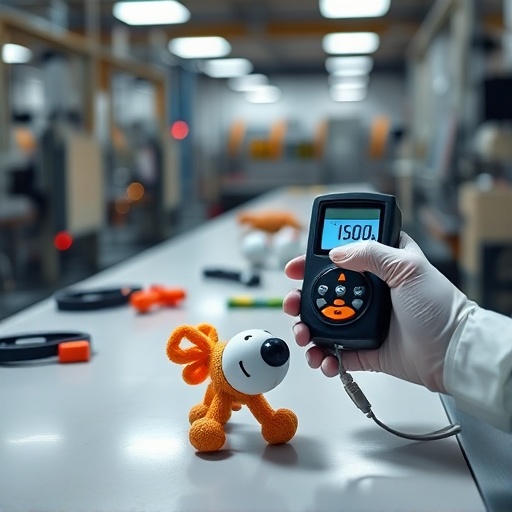
Sustainable materials have different compression rates than traditional plastics. If your packaging partner doesn’t understand this, you will see an increase in your rework ratio. At DDPark, we have re-engineered our packaging to meet these new sustainability standards without sacrificing the protection required for high-tech components like water dispensers and interactive toys.
Frequently Asked Questions
Why does a drop test matter for smart pet tech?
Smart pet products contain fragile components like infrared sensors and motorized gears. A drop test ensures that these components remain calibrated and functional after the rigors of international shipping.
What is the most common point of failure in pet feeders?
Most failures occur in the dispensing motor or the sensor housing. Without proper shock-absorbent mounting, the motor can shift, leading to jamming or inaccurate portion control.
How does DDPark handle quality control compared to other OEMs?
DDPark utilizes a zero-defect philosophy, integrating rigorous drop testing at the prototype stage and batch-testing throughout production to ensure durability across all 50+ countries we serve.
Should I worry about firmware during drop tests?
Absolutely. Physical impact can cause temporary connection losses or memory corruption in low-quality ESP32 modules, leading to the dreaded “false-positive sensor trigger” that ruins customer trust.
Does lower MOQ affect the quality of drop testing?
Not at DDPark. Whether you are a startup or a large distributor, our standard testing protocols remain identical, ensuring every unit meets international safety and durability requirements.
Work with DDPark
Experience the DDPark difference: low MOQ support, matter protocol ready, factory direct OEM pricing, and our proprietary low-noise motor system.
Ready to Start Your OEM Order?
Contact our B2B team today for pricing, MOQ, and custom branding options.