Why Does My Interactive Pet Toy App Not Connecting and How to Solve It: An Industry Reality Check
If you are a distributor or a brand owner plagued by support tickets asking, “why does my interactive pet toy app not connecting and how to solve it,” you are likely dealing with a hardware-firmware mismatch rooted in the factory’s production line. For the end user, the answer is often simple: check your 2.4GHz Wi-Fi band or reset the router. However, for those of us in the sourcing industry, the truth is more nuanced. Connectivity failures are frequently the direct result of “yield rate drift” and corners cut on internal antenna placement during the assembly phase.
The Factory Floor Reality
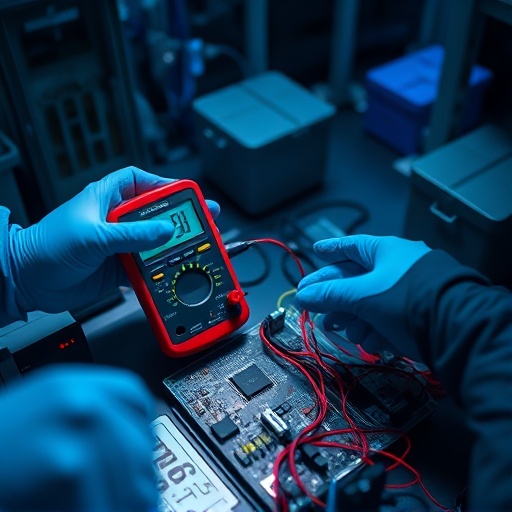
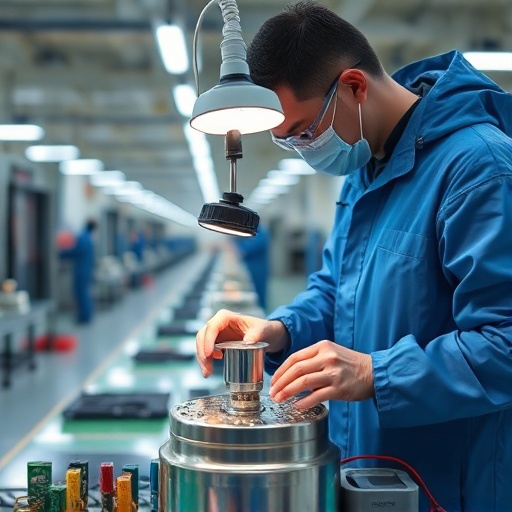
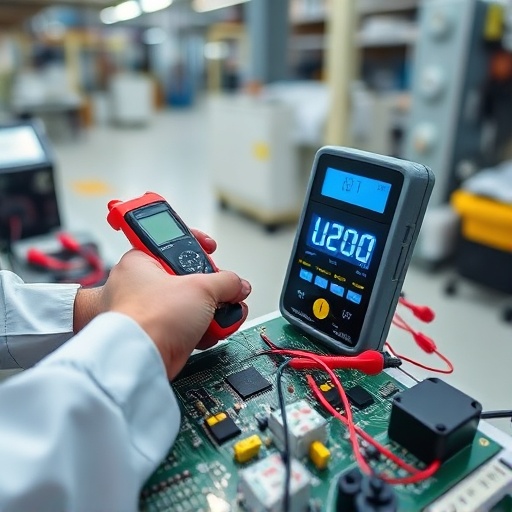
Walking through our facility in the Pearl River Delta, the difference between a reliable pet toy and a “paperweight” is palpable. You can hear the rhythmic clicking of the automated optical inspection (AOI) machines checking solder joints. When I see a factory worker rushing the installation of an internal Wi-Fi antenna, I know that device is destined for a return bin.
In a high-volume assembly environment, an antenna that is slightly misaligned—even by two millimeters—can cause massive signal degradation. Budget manufacturers often ignore the “Faraday cage” effect created by the toy’s own plastic housing or internal motor shielding. If the hardware is not engineered to account for electromagnetic interference (EMI) from the toy’s own motor, no amount of app-side coding will fix a connection that physically cannot sustain a handshake with the router.
The Connectivity Gap: Why Cheap Hardware Fails
Most connectivity issues start with the bill of materials (BOM). Many suppliers opt for generic, low-cost Wi-Fi modules that struggle with modern high-traffic home networks. At DDPark, we have standardized on ESP32-based architecture precisely because it offers the stability required for a constant IoT heartbeat.
| Feature | Low-Tier Budget Toy | DDPark OEM Standard |
| :— | :— | :— |
| **Wi-Fi Module** | Generic, single-band | ESP32 (High Stability) |
| **QC Process** | Visual check only | AOI + 24-hour Aging Test |
| **Firmware** | Static, non-upgradable | OTA (Over-the-Air) Ready |
| **Interference** | High (Motor noise) | Low (Shielded circuitry) |
When “Smart” Becomes a Support Nightmare
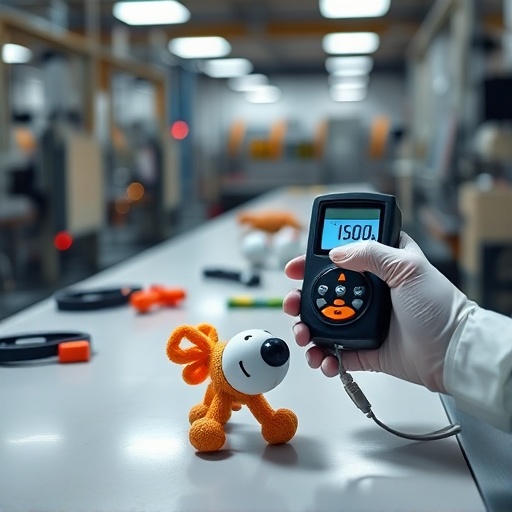
I have personally analyzed thousands of units returned due to “app failure.” Often, the app is working perfectly—the hardware simply stopped broadcasting. I once disassembled a batch of “smart” laser toys that were losing connection every time the motor engaged. The root cause? The factory used unshielded wiring for the motor, which acted like a radio antenna, flooding the Wi-Fi module with noise and effectively “blinding” the device.
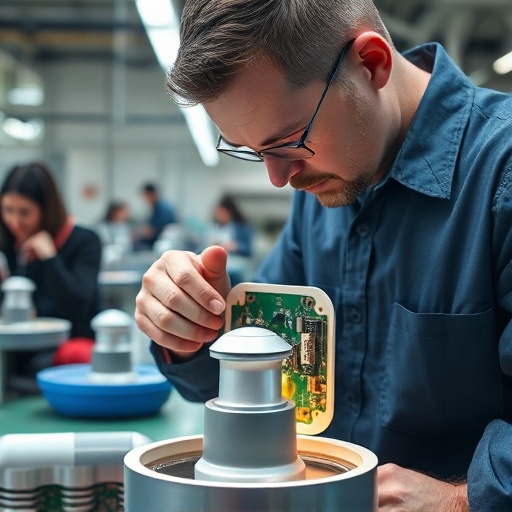
My contrarian take on this? Most brands focus too heavily on the app interface and not enough on the “Aging Test.” An aging test involves running the device continuously for 24 to 48 hours under thermal stress. If a device is going to fail, it will fail during this period. If your supplier skips this, you are effectively letting your customers perform the final quality control check.
Troubleshooting the Connectivity Loop
If you are fielding these complaints, guide your users through a logical diagnostic hierarchy before assuming the hardware is defective:
1. **The Signal Floor:** IoT devices are notoriously picky. Ensure the user is connecting to a 2.4GHz network. Many modern routers use “band steering” to force devices to 5GHz, which often causes these toys to drop off the network entirely.
2. **The Firmware Check:** If your product supports OTA updates, ensure the app is prompting for the latest version. We keep our Smart Pet Product Catalog updated with firmware that handles modern mesh-network protocols better than legacy code.
3. **Hardware Integrity:** If the device resets repeatedly, it is a power delivery issue. Poor-quality capacitors often fail under the current spike of a motor starting, causing the board to reboot. This is why we prioritize high-grade capacitors in our OEM builds.
The DDPark Philosophy: Engineering the Ecosystem
We don’t view pet tech as a “gadget” industry. It is a subset of the home automation market. Operating out of Guangdong, we have the benefit of being at the center of the global electronics supply chain. Our 10+ Years Manufacturing Expertise has taught us that the difference between a five-star review and a refund is often found in the unseen components.
When you source through us, we manage the entire ecosystem—from the Tuya-integrated cloud performance to the physical shielding of the internal components. You aren’t just buying a toy; you are buying a stable connection that keeps your brand reputation intact. If your current supply chain is causing more support headaches than sales, it is time to pivot. You can Request a Free OEM Quote from DDPark to see how our rigorous testing protocols can eliminate your connectivity complaints.
Moving Beyond the Support Ticket
True stability isn’t about fixing bugs; it is about preventing them at the design stage. When you partner with a factory that understands infrared sensor calibration and anti-jam detection, you stop answering “why does my interactive pet toy app not connecting and how to solve it” and start focusing on scaling your market share.
Reliability is the ultimate marketing tool in the pet tech industry. If you want to build a brand that lasts, stop sourcing gadgets and start sourcing engineered solutions. For those ready to upgrade their manufacturing standard, feel free to
Ready to Start Your OEM Order?
Contact our B2B team today for pricing, MOQ, and custom branding options.
Frequently Asked Questions
Q: Why does my smart pet toy keep disconnecting from the app?
A: Beyond common Wi-Fi band issues, frequent drops are often caused by “signal noise” created by the toy’s own motor. If the internal wiring is not properly shielded, it can interfere with the Wi-Fi module.
Q: Does manufacturing quality affect app connectivity?
A: Absolutely. Factors like antenna placement, solder quality, and component selection during the assembly phase dictate how well a device maintains a connection. High-quality manufacturing ensures hardware stability that software cannot fix after the fact.
Q: How can I ensure my pet toy stays connected permanently?
A: Prioritize hardware that uses the Tuya Smart Ecosystem and ensure your manufacturer conducts mandatory 24-hour aging tests before any shipment. This identifies “yield rate drift” before the product ever reaches your warehouse.
Work with DDPark
DDPark offers factory direct OEM pricing, stable Tuya connectivity, aging test before shipment, and Matter protocol ready solutions to ensure your brand stands out in the competitive pet tech market. With flexible MOQ for startups and distributors, we are ready to help you scale.