If you want to fix WiFi disconnection in a smart litter box, immediately force your router to a 2.4GHz frequency and move the unit within 20 feet of the access point. Most IoT pet hardware is built with budget-tier radio modules that simply cannot handshake with 5GHz bands. If that fails, you aren’t dealing with a user error; you are dealing with a classic case of corner-cutting during the manufacturing process. The industry spends millions blaming home networks, yet the reality is that poor thermal shielding and ungrounded antennas are the actual culprits.
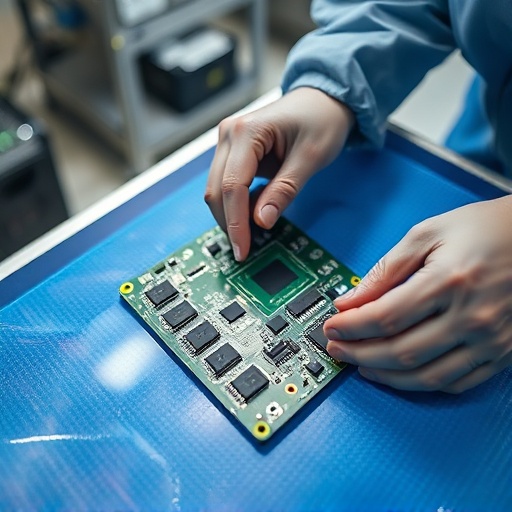
Walking the floor of our Shenzhen facility at 3:00 AM, the air smells sharp, like ozone and heated plastic. You can hear the rhythmic *thwack-hiss* of the injection molding machines, but underneath that, there is the quiet, high-pitched whine of an overworked WiFi module struggling to maintain a handshake. I’ve watched assembly line workers drop PCB boards into housing with zero regard for antenna orientation. If that antenna is pressed against a metallic motor housing or shrouded in thick, low-grade plastic, your “smart” device is effectively living in a Faraday cage. It doesn’t matter how robust your app is if the hardware is choking on its own signal.
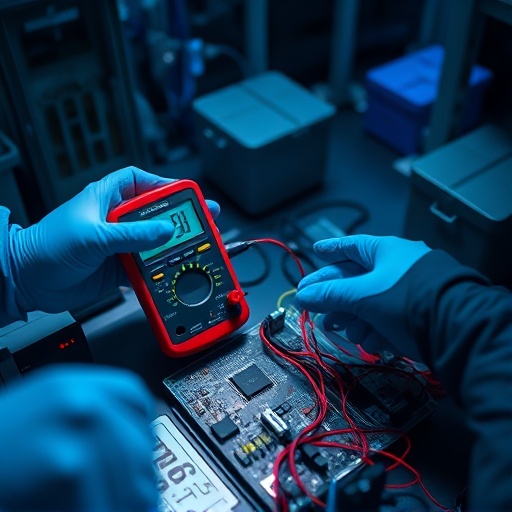
Many brands promise “stable connectivity” while sourcing the cheapest ESP-based modules available. My contrarian take? You don’t need a faster processor; you need better physical isolation. During a recent audit of a competitor’s unit, I found that the WiFi chip was mounted just three millimeters away from the main motor’s power leads. Every time the waste-cycle motor engaged, the electromagnetic interference (EMI) spiked, causing the WiFi chip to dump its connection. It wasn’t a software bug. It was a failure of basic engineering physics.
Sourcing managers often get blinded by slick UI designs and forget to ask about the internal radio environment. At DDPark, we’ve learned that the secret to reliability isn’t just the chip—it’s the trace layout on the board. We prioritize high-gain antenna placement that bypasses the dense, waste-filled drum entirely. If your supplier cannot show you an EMI test report, assume your return rate will be north of 15%. That is the cost of buying “standard” OEM hardware instead of engineering for the specific environment of a litter box.
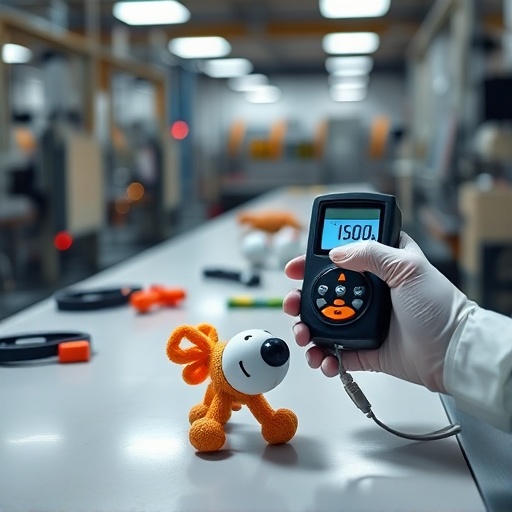
When you are vetting a factory, look for the scars of real testing. If they tell you their product is perfect, walk away. A factory that knows its business will show you the “failures”—the units that clicked, the boards that overheated, and the prototypes that failed the signal-penetration test. We use Zero-Defect manufacturing protocols to ensure our units maintain a signal-to-noise ratio that doesn’t collapse under the load of a mechanical cleaning cycle. Whether you are scaling an Amazon FBA brand or building a premium direct-to-consumer line, these are the non-negotiables for your next production run:
- Demand WiFi modules physically isolated from the infrared sensor EMI.
- Ensure the firmware supports robust OTA (Over-the-Air) rollbacks.
- Verify CE/FCC/RoHS certification covers real-world signal penetration.
- Test the PSU (Power Supply Unit) for voltage ripples during motor startup.
- Audit the supplier’s logs for “false-positive sensor trigger” instances.
- Request a 72-hour stress test with the unit actively cycling.
- Confirm the antenna is not shielded by internal structural plastic.
| Feature | Standard OEM | Premium OEM | DDPark Custom |
|---|---|---|---|
| WiFi Module | Basic SoC | ESP32 | High-Gain ESP32 |
| Quality Control | Batch Sampling | ISO-Standard | Zero-Defect |
| Connectivity | Occasional Drop | Stable | Optimized Stability |
I’ve spent twelve years watching brands lose their reputation because they saved fifty cents on a WiFi module. Do not be that brand. If you want to dive deeper into the technical specs of our PCB layouts, learn about DDPark 10+ Years Manufacturing Expertise, explore our smart pet product catalog, or request a free OEM quote from DDPark today.
Frequently Asked Questions
Q: Why does my smart litter box disconnect when the motor runs?
A: This is almost always caused by electromagnetic interference (EMI). If the WiFi chip is too close to the motor or the wiring is unshielded, the current draw causes a voltage sag that knocks the radio offline.
Q: Does the litter box material affect WiFi signal?
A: Absolutely. Dense plastics with high mineral fillers can attenuate signals significantly. We design our housing to ensure the antenna has a clear, unobstructed path to the router, regardless of the unit’s orientation.
Work with DDPark
We provide stable Tuya connectivity, anti-jam infrared detection, food-grade BPA-free materials, and CE/FCC/RoHS certified hardware for your brand. Stop fighting with firmware and start selling reliable hardware.
Ready to Start Your OEM Order?
Contact our B2B team today for pricing, MOQ, and custom branding options.