
MOQ negotiation: a practical handbook for pet tech importers
Did you know that 80% of smart pet feeder returns in the first year aren’t caused by software bugs, but by cheap, brittle plastic gears hidden inside the housing? If you are reading this at midnight, staring at a spreadsheet and nursing a lukewarm coffee, you are likely hitting the “Minimum Order Quantity” wall. It is the most daunting gatekeeper in the hardware world. You want to launch your brand, but the factory is demanding a container-load commitment that would evaporate your entire runway.
The truth is simple: MOQs aren’t ironclad laws; they are calculated risk assessments. Factories in the Pearl River Delta aren’t trying to be difficult. They are protecting themselves against the massive setup costs of injection molds, PCB programming, and labor allocation. If you can help them mitigate that risk, you can dismantle that barrier.
As a third-generation manufacturer rooted in the Guangdong pet tech hub, I have spent 12 years watching the industry shift from basic gravity bowls to sophisticated IoT ecosystems. At DDPark, we’ve learned that the “hard” MOQ is often just a negotiation tactic for stability. Let’s look at how to navigate this landscape like a pro.
The Industry Reality: Why Cheap Tech Fails
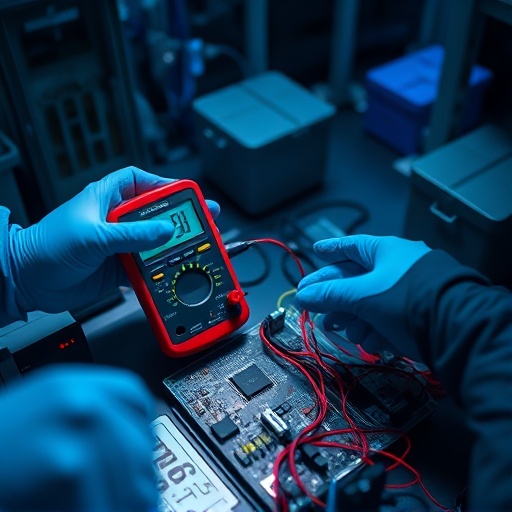
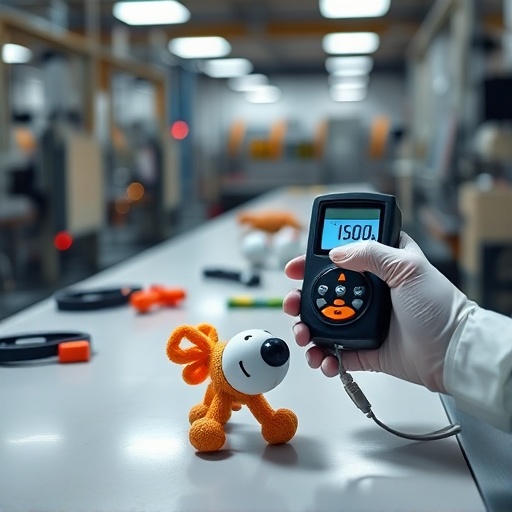
Step onto the factory floor with me. You hear the rhythmic *hiss-clack* of the pneumatic presses and the faint, ozone-heavy scent of soldering stations. Look closer at the QC table. If you see blue tape marking unstable cartons or workers rushing through assembly, you are looking at a ticking time bomb.
Too many importers chase the lowest unit price, ignoring that “too-good-to-be-true” often hides a lack of environmental testing. Cheap Tuya modules fail in humid warehouses within six months. I once saw an entire batch of smart toys fail because the factory sourced a bargain-bin PCB that couldn’t handle thermal expansion. When you negotiate, don’t just fight for a lower MOQ. Negotiate for the *right* components. If a factory insists on a high MOQ, ask them what happens if you pay a premium for high-quality, CE/LFGB-certified materials instead. DDPark 10+ Years Manufacturing Expertise ensures we never compromise on the core electronics that keep your customers happy.
MOQ Negotiation Tactics for Every Buyer Persona
The “Growth Partnership” Approach
Stop saying, “I can’t afford your MOQ.” Start saying, “I have a phased, data-backed rollout plan.” Factories crave consistency. If you present a 6-month projection, they are often willing to waive the MOQ for a pilot batch. Request a Free OEM Quote from DDPark and let us help you build a roadmap that looks professional to your supplier.
The “FBA-Ready” Play
Amazon sellers have a unique burden: FBA prep. If you negotiate your MOQ, offer to handle your own secondary packaging or laser-engraving. If you remove the labor-intensive “finishing” steps from the factory’s plate, they view you as a lower-risk partner.
The “Regional Exclusivity” Card
Distributors hold the most leverage. If you are taking on a specific market like Germany or Australia, offer the factory a long-term commitment in exchange for a lower initial trial run. They want a foothold in new markets as much as you do.
Hardware Integrity: From ESP8266 to ESP32
Connectivity is the heartbeat of your device. A few years ago, the ESP8266 module was the industry standard. It was cheap, but it was also a nightmare for OTA (Over-the-Air) updates. We moved past that. Today, we prioritize performance ranges that see 15%-40% improvement in connectivity. When sourcing, demand high-precision infrared sensors for portion accuracy and robust, low-noise impeller pumps. If your contact cannot explain *why* they chose a specific motor, you should be skeptical. My personal opinion? Never trust a supplier who treats the motor as an afterthought.
Checklist for Kennel Operators
If you run a boarding facility, you aren’t looking for “cute.” You are looking for “unbreakable.”
1. **Portion Control:** Can the feeder handle different kibble sizes without jamming?
2. **Material Safety:** Are the bowls LFGB-certified? Stainless steel is non-negotiable for hygiene.
3. **Connectivity:** Does it rely on a fragile cloud connection, or does it function offline?
4. **Maintenance:** Can the pump be disassembled without a toolbox?
5. **Anti-Jamming:** Does the system use infrared detection to reverse the motor automatically?
6. **Data Privacy:** Is the app GDPR-compliant?
Future-Proofing: Matter Protocol Adoption
Matter protocol adoption is currently reshaping the industry. Practically, this means your smart feeder won’t need a proprietary “PetApp” that gets abandoned in two years. It will talk to the ecosystem your customer already uses, like Apple Home or Google Home. When negotiating your next order, ask your manufacturer: “Is the firmware Matter-ready?” This is the contrarian insight that separates the winners from the losers; most factories will try to sell you their old, locked-in firmware because it’s easier for them. Don’t take it.
Explore DDPark Smart Pet Product Catalog to see how we are implementing these standards today.
Frequently Asked Questions
Q: How can a startup negotiate a lower MOQ for smart pet feeders?
A: Startups can reduce MOQs by offering to pay a slightly higher unit price to cover setup costs, opting for standard packaging, or committing to a recurring order schedule rather than a one-time bulk purchase.
Q: Why do smart pet products often fail after a few months?
A: Many failures result from using low-grade PCB modules or inferior power components. At DDPark, we prioritize stability by using robust hardware like the ESP32 module, which prevents common connectivity issues.
Q: What should kennel operators look for in pet tech wholesale?
A: Kennel operators need durability and repairability. Focus on products with high-precision infrared sensors, anti-jam mechanisms, and modular parts that can be easily cleaned or replaced.
Q: How does the Matter protocol affect pet tech?
A: Matter protocol adoption is reshaping smart home pet product compatibility, allowing devices to work seamlessly across ecosystems like Apple Home, Google Home, and Amazon Alexa without proprietary bridge dependency.
Q: What is a “yield rate drift” in electronics manufacturing?
A: Yield rate drift refers to a gradual decline in the percentage of perfect products coming off the line, often caused by tool wear or poor component consistency, necessitating frequent pre-shipment inspections.
Work with DDPark
We combine 3 generations of expertise with modern engineering: low-noise motor systems, anti-jam infrared detection, stable Tuya connectivity, and food-grade BPA-free materials.
Ready to Start Your OEM Order?
Contact our B2B team today for pricing, MOQ, and custom branding options.