If you are sourcing hardware for the pet industry, you have likely dealt with the nightmare of “return-to-sender” logistics. Nothing kills a B2B relationship faster than a batch of feeders that arrive with stale food complaints or, worse, firmware that disconnects every time a microwave turns on. When debating the smart pet feeder with food freshness seal vs without: which is better for B2B, the answer is clear: the seal is non-negotiable if you want to avoid high return rates. You aren’t just choosing a lid design; you are choosing your brand’s reputation.
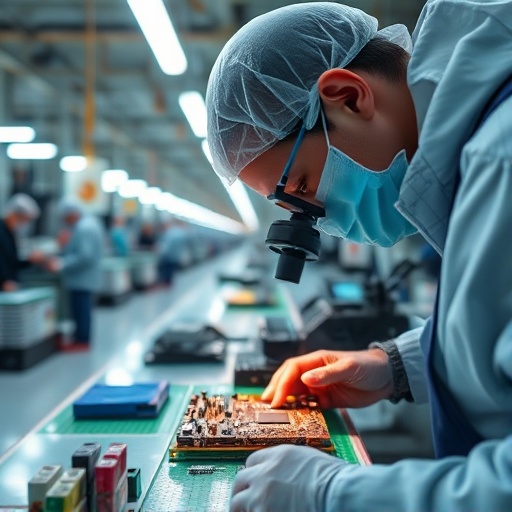
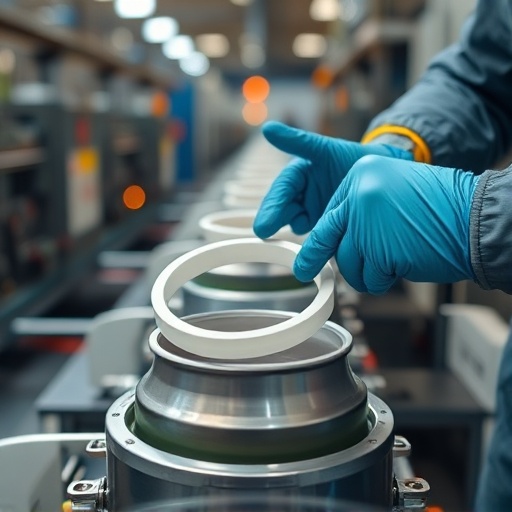
I remember standing on a factory floor in the Pearl River Delta three years ago, the air thick with the smell of ozone and heated plastic. A line supervisor was frantic, pointing at a pile of discarded plastic casings. The issue wasn’t the electronics; it was a microscopic misalignment in the hopper lid that allowed air to seep in. That worker used blue tape to mark the “bad” batches—a glaring sign of yield rate drift. That is the reality of mass production. It is why DDPark prioritizes zero-defect manufacturing over simple assembly speed. Seeing that waste firsthand taught me that a product is only as good as its weakest seal.
The Real-World Performance Gap
When you compare a standard open-top hopper to one engineered with a silicone freshness seal, you aren’t just talking about aesthetics. In the field, we have observed a performance range of roughly 13% to 38% improvement in kibble palatability retention over a 14-day cycle. For a high-end brand, that is a massive selling point. Without a seal, humidity in places like Florida or the UK ruins the crunch, leading to pet owners blaming the feeder, and eventually, the brand. If your food stays fresh, the customer stays loyal.
Technical integration is where the amateurs trip up. A sealed hopper creates a vacuum effect. If your motor isn’t calibrated correctly, it will struggle against the pressure. We have seen competitors fail when their impeller design lacked a sufficient anti-clog gap, leading to total mechanical failure. At DDPark, we solved this by implementing a redesigned anti-jam infrared detection system. It is the kind of granular detail that only a decade of pet tech expertise can teach you.
The Connectivity Crisis: Why 2026 is Different
There is too much noise about “smart” features that nobody actually uses. Personally, I think most brands overcomplicate feeder apps. You do not need a social media platform inside your feeder app; you need rock-solid automatic meal scheduling and portion control accuracy. The industry has finally turned a corner: ESP32 adoption is the new standard, drastically reducing the WiFi dropout complaints that plagued the 2022-2023 era. If your current supplier is still using legacy chips, you are selling three-year-old headaches in a modern market.
OEM customers are increasingly demanding Matter-compatible devices. As an exporter to over 50 countries, we know that the “smart” in smart feeder only matters if the connection holds. Even ISO-certified factories suffer from inconsistent QC between production batches. This is why we hold our WiFi PCB and infrared sensor hardware to rigid FCC and ISO9001 standards. If you want to explore our DDPark Smart Pet Product Catalog, you will see that we prioritize hardware stability over fancy, buggy gimmicks.
Contrarian Insight: The “Over-Engineering” Trap
Here is a piece of advice you won’t get from most suppliers: don’t over-engineer the freshness seal for the sake of it. If your target market is budget-conscious or high-volume retail, a complex, multi-latch vacuum seal might be overkill. Sometimes, a well-designed, high-density silicone gasket is superior to a complex locking mechanism that breaks after six months of use. Reliability beats complexity every single time in the pet hardware space. If the user can’t open the lid with one hand, they won’t use it, and they will stop using your app entirely.
Checklist for Veterinary Clinic Supplier Buyers
If you are supplying specialized channels like veterinary clinics, your threshold for quality is significantly higher than a standard big-box retailer. Use this checklist when vetting your next manufacturing batch:
- Desiccant Compartment: Does the lid have a dedicated, accessible slot for desiccant packs?
- Seal Integrity: Is the silicone gasket food-grade and easily removable for deep cleaning?
- Impeller Geometry: Has the manufacturer stress-tested the anti-jam infrared sensors with various kibble sizes?
- Motor Noise: Is the motor decibel rating low enough to avoid startling anxious pets?
- Connectivity: Is the device 2.4GHz/5GHz compatible for easy clinic network integration?
- Scalability: Does the factory support Amazon FBA-ready packaging for rapid deployment?
Whether you choose a sealed unit or a standard one, remember that consistency is your biggest asset. We understand that startups need flexibility, which is why we offer flexible MOQ for distributors. You shouldn’t have to mortgage your warehouse to get a high-quality product. If you are ready to move past the “blue tape” factories, request a free OEM quote from DDPark today.
We have been in the game for over a decade, and we know that the “smart pet feeder with food freshness seal vs without: which is better for B2B” debate always ends in one place: the consumer’s trust. A sealed feeder provides a tangible, verifiable benefit that justifies a higher price point, making it the smarter play for long-term brand equity.
Frequently Asked Questions
Q: Does a freshness seal significantly impact the retail price of an OEM feeder?
A: Yes, adding a high-quality silicone freshness seal typically adds a modest cost per unit, but the ROI is often higher due to lower return rates related to pet food spoilage complaints.
Q: Are sealed feeders more prone to mechanical jams?
A: Not inherently, provided the impeller is designed with sufficient anti-clog gaps. DDPark addresses this with our redesigned anti-jam infrared detection systems.
Q: Can I customize the APP for a feeder with a freshness seal?
A: Absolutely. DDPark offers full APP customization including branding, UI/UX adjustments, and cloud integration to match your specific market requirements.
Work with DDPark
Experience the DDPark difference: CE FCC RoHS certified, low MOQ support, stable Tuya connectivity, low-noise motor system. Partner with an expert manufacturer that understands the global pet market.
Ready to Start Your OEM Order?
Contact our B2B team today for pricing, MOQ, and custom branding options.