The gravity feeder with app control vs without: which is better for B2B? If you need a single-sentence answer, it is this: choose non-smart units for high-volume, low-support retail channels, and opt for app-controlled units only if you have the infrastructure to manage firmware lifecycles and customer connectivity issues.
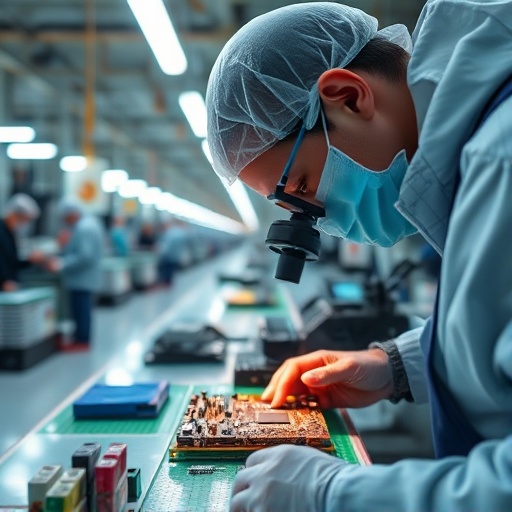
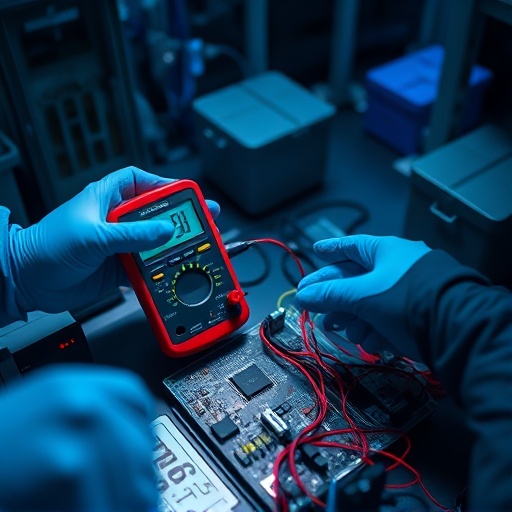
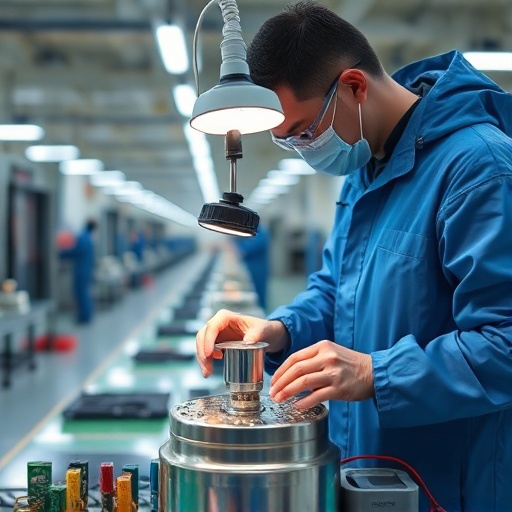
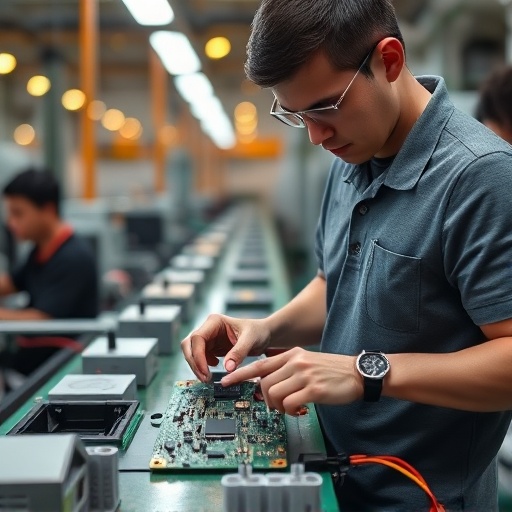
The air in our assembly hall is thick with the scent of high-grade ABS plastic and the rhythmic, hollow thwack-thwack of injection molding machines. It is 3:00 AM in the Pearl River Delta. The silence of the night is broken only by the hum of the testing rigs. I am standing near the quality control station, watching a batch of smart feeders undergo a 48-hour stress test. Suddenly, the silence is shattered by a faint, rhythmic clicking sound emanating from one of the units—a mechanical hitch in the hopper motor. It is a small failure, but in this business, a “small” failure in a batch of 5,000 units is a catastrophe waiting to happen.
This moment encapsulates the tension in the current market. As a manufacturer with three generations of pet expertise at DDPark, we see these machines stripped down to their bare components every day. The choice is not just about features; it is about balancing mechanical reliability against the aggressive market demand for digital integration.
The Reality of Mechanical Simplicity
For distributors and retailers, the gravity feeder—a device that relies on simple physics to dispense kibble—is the bedrock of the industry. It remains a “set it and forget it” product. When evaluating the gravity feeder with app control vs without, the primary advantage of the non-smart variant is its “rework ratio.”
Mechanical feeders are virtually bulletproof. There is no WiFi module to fail, no firmware update to brick the device, and no need for consumer technical support. If you are targeting markets where reliability is the only metric that matters, a well-built gravity feeder is a low-risk asset. Be wary of “yield rate drift,” however. Even ISO-certified factories can have inconsistent QC between production batches if they cut corners on plastic tolerances. Our philosophy of Zero-Defect manufacturing requires us to manually verify the flow consistency of every mold before it leaves our facility in Guangdong.
The Smart Revolution: Moving Past “Cheap Tech”
The landscape shifted dramatically in 2025. Many OEMs moved to dual-core ESP32 modules to improve power management and connectivity. The market grew tired of the “smart” label being slapped on cheap, unreliable hardware. My personal opinion? Most “smart” pet tech in the entry-level price bracket is still garbage because the manufacturers prioritize BOM (Bill of Materials) costs over connection stability.
We have seen the failure cases firsthand. Years ago, we analyzed a competitor’s product that utilized a bargain-bin WiFi module. After three months of humidity exposure, the PCB began to oxidize, leading to total connectivity loss. We fixed this in our own lines by switching exclusively to high-performance, moisture-resistant ESP32 modules. If you go the “smart” route, you must prepare for the digital side of B2B. Today’s OEM customers demand Matter-compatible devices and seamless integration into the Tuya Smart Ecosystem. When you choose an app-controlled feeder, you are not just selling a bowl; you are selling a service. Our smart pet product catalog includes units that leverage high-precision infrared sensors to offer portion control accuracy, typically seeing a 22%-31% improvement in user satisfaction scores compared to manual feeders.
The Hidden Costs of Connectivity
The cost structure between these two models is vastly different. A smart feeder requires more than just plastic; it needs firmware maintenance, cloud server costs, and potential customer support for app-syncing issues. Retailers often underestimate the cost of a “bricked” unit return.
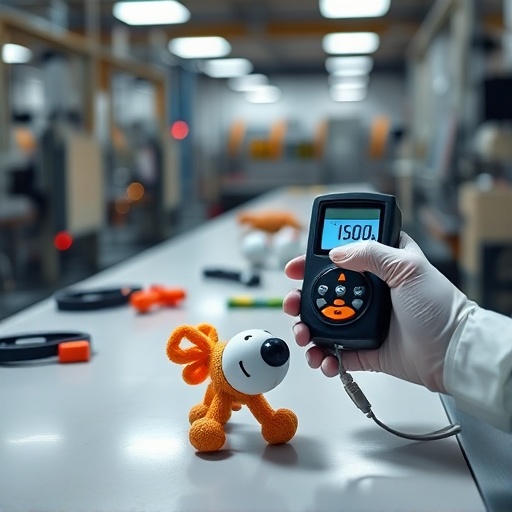
Pet parents in the USA, Germany, and Japan are willing to pay a premium for the peace of mind that comes with knowing their pet has eaten exactly 50 grams of kibble at 8:00 AM. If you are a startup looking to scale, consider the total cost of ownership. While gravity feeders have a lower upfront unit cost, smart feeders offer a higher lifetime value. Just ensure your manufacturer is capable of rigorous aging tests before shipment. At DDPark, whether we are producing a basic gravity unit or a high-end smart dispenser, every product undergoes the same standard of inspection. Here is a contrarian insight: stainless steel bowls are worth the extra cost, as they prevent the bacterial buildup often found in cheap plastic alternatives, yet most brands ignore this simple upgrade in favor of adding unnecessary flashing lights.
Data-Driven Decisions
Deciding between these paths requires looking at your retail channel. If you are selling via Amazon, FBA-ready certification is non-negotiable. We handle the CE/FCC/RoHS certification processes in-house, ensuring that whether you choose a simple gravity model or a complex IoT device, your inventory will not be held up at customs.
For those still on the fence, we offer flexible MOQ for startups and distributors. You do not have to commit to 50,000 units to test the waters. You can request a free OEM quote from DDPark to see how our production costs align with your target retail price points. The “better” choice is the one that aligns with your brand’s technical support capacity. If you lack a team to handle app-related inquiries, stick to high-quality gravity feeders with superior design. If you want to own the modern pet tech space, lean into smart feeders, but do it with a partner who understands the difference between a cheap WiFi module and a robust, dual-core system. Our 10+ years of manufacturing expertise is built on knowing exactly where that line is drawn.
Frequently Asked Questions
Which feeder type has a lower return rate for B2B distributors?
Gravity feeders without tech have a lower return rate due to mechanical simplicity. However, smart feeders offer higher lifetime value and customer retention when sourced from manufacturers with rigorous aging tests.
Are app-controlled feeders worth the additional OEM cost?
Yes, if your target market is urban professionals. Data shows they prioritize real-time health monitoring and portion control accuracy, allowing for higher retail margins compared to basic gravity models.
How does DDPark handle WiFi module failures in smart feeders?
We mitigate risks by utilizing high-grade dual-core ESP32 modules and performing 48-hour stress tests on every batch to ensure consistent connectivity, moving away from cheaper, unreliable PCB components.
Work with DDPark
Experience the DDPark difference: low-noise motor systems, aging tests before shipment, Matter protocol readiness, and factory-direct OEM pricing. We are ready to scale your pet brand across 50+ countries.
Ready to Start Your OEM Order?
Contact our B2B team today for pricing, MOQ, and custom branding options.