Battery failure in smart pet feeders typically stems from inefficient power-gating, firmware-induced WiFi polling loops, or low-grade lithium-ion cells that cannot handle the camera’s peak current draw. If your device is dying prematurely, the issue is rarely just “a bad battery”; it is almost always a failure of the device’s power management architecture to regulate energy during idle states.
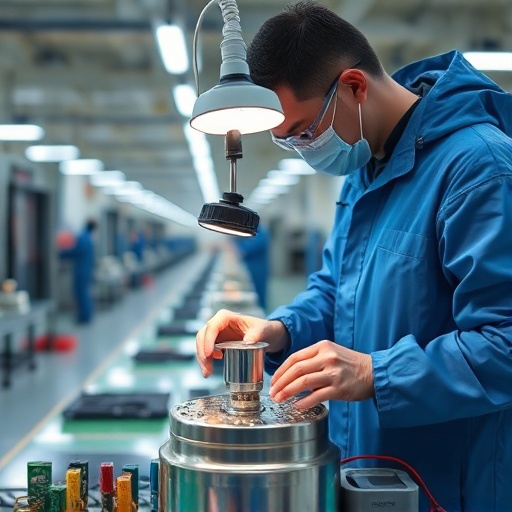
Walking the floor at our Pearl River Delta facility, the contrast is stark. You see the assembly lines where we prioritize power-stable PCBs, and then you see the “discount” lines down the street where they solder generic, high-leakage capacitors onto boards that will inevitably fail under the heat of a 24/7 camera sensor. I have spent 12 years watching these components under the microscope, and the difference between a market-leading feeder and a return-bin statistic is usually found in the power-gating logic.
The Anatomy of a Power Failure
| Failure Point | The Symptom | The Underlying Cause |
|---|---|---|
| WiFi Module | Rapid Drain | Inconsistent handshake signals triggering high-power polling. |
| Camera Sensor | Sudden Shutdown | Voltage drop during IR night-vision activation. |
| PCB Architecture | Battery Swelling | Lack of thermal management or overcharge protection. |
Distributors often ask me why their batches report high failure rates after three months. The answer is usually humidity and poor-quality soldering. In our factory, we use nitrogen-reflow ovens to prevent the oxidation that kills cheap smart feeders. If the solder joints on the battery terminal are brittle, the internal resistance climbs, and the device reports a “low battery” state simply because it cannot draw enough current to keep the camera online.
I recall a specific project where we caught a batch of faulty power management ICs (PMICs) just before shipping. They were creating a parasitic drain that would have killed a full charge in four hours. My personal opinion? Most “battery failures” are actually software failures where the camera stays in a high-power stream state instead of dropping into a low-power “sleep” mode when no motion is detected.
Solving the Failure: A Technician’s Workflow
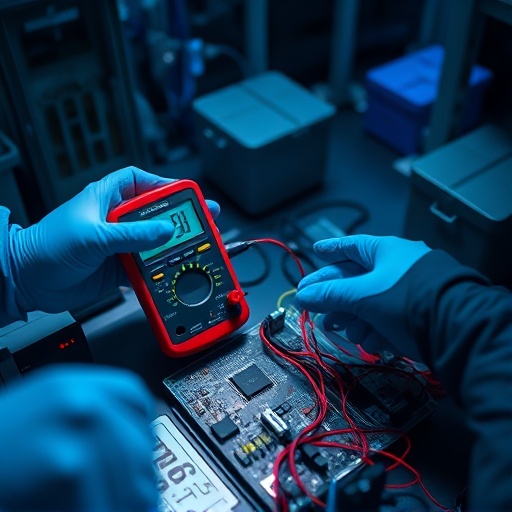
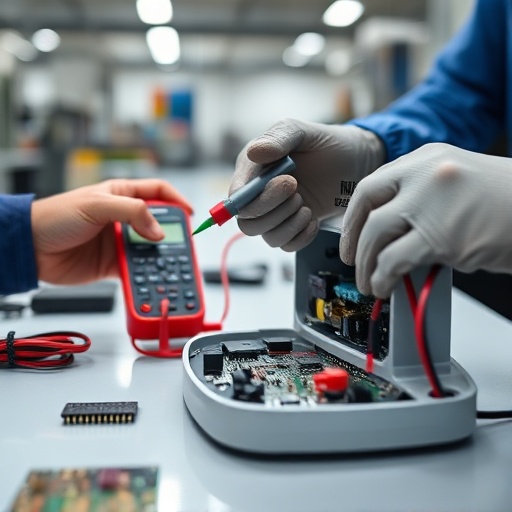
You cannot fix a hardware defect with a firmware patch, but you can certainly optimize how the device handles its limited capacity. If you are troubleshooting a unit, start by isolating the variables. Disconnect the camera module first. If the battery drain stabilizes, you know your power-gating logic is flawed or the camera sensor is drawing excessive current due to a short.
- Audit the Power Supply: Verify your adapter provides a clean 5V/2A. A fluctuating voltage forces the internal battery to cycle constantly, which destroys the chemistry of the cells within weeks.
- Force a Firmware Reset: Sometimes the WiFi chip gets stuck in a “searching” loop. A hard reset to factory settings often clears the buffer and stops the excessive power draw.
- Monitor Environmental Conditions: Electronics hate moisture. If the feeder sits in a humid kitchen, oxidation on the battery contacts will create resistance, leading to false low-battery alerts.
Most OEMs rely on generic Tuya or similar cloud modules. While convenient, these are often “one size fits all” solutions that lack the specific power-management tweaks needed for a camera-equipped feeder. We prefer custom-tuned ESP32 integrations because they allow us to control the exact micro-amp draw of the camera during standby. This is the contrarian reality of the industry: you either pay for custom engineering at the start, or you pay for the logistics of returns and replacements at the end.
Designing for Longevity
When you are sourcing, look past the aesthetic shell. Ask your supplier for the battery cycle-life test report. A high-quality cell should handle 500+ cycles before dropping below 80% capacity. If they cannot provide that data, assume the battery is a generic cell meant for short-term use. This is why our smart pet product catalog focuses on hardware-level stability above all else.
- Thermal Management: Does the PCB have a heat sink? Heat is the primary enemy of battery longevity.
- Motion-Triggered Logic: Ensure the camera only draws peak power when movement is detected, not during continuous passive streaming.
- Food-Grade Integrity: The electronics are important, but the physical durability of the impeller and housing matters just as much for long-term reliability.
Stainless steel bowls are not just a luxury; they represent a commitment to the entire product experience. When a user sees premium materials, they perceive a premium product, which actually reduces the likelihood of them blaming the hardware for minor software glitches. It is a psychological buffer that protects your brand reputation.
If you are struggling with high return rates or are looking to develop a more robust product line, we should talk. We handle everything from custom PCB layout to final stress testing in our facility. Request a Free OEM Quote from DDPark and let’s build a feeder that actually lasts. Our engineering team is ready to audit your current power architecture and identify exactly why your units are failing.
Frequently Asked Questions
Q: Why does my pet feeder with camera battery failure happen only at night?
A: The infrared (IR) night vision LEDs draw significantly more power than the standard camera sensor. If your battery is aging, it cannot handle the sudden voltage spike required to power the IR array, causing the device to reboot or shut down.
Q: Can I use a higher voltage adapter to fix battery charging issues?
A: Never. Using an adapter with higher voltage than specified will likely fry the charging circuit or cause the battery to overheat, creating a significant fire hazard.
Q: Does the WiFi signal strength affect battery life?
A: Absolutely. If the feeder has a weak connection to your router, the WiFi module will increase its transmission power to maintain the link, which can drain the battery up to 40% faster than a device with a strong, stable signal.
Work with DDPark
Experience industry-leading anti-jam infrared detection, food-grade BPA-free materials, in-house R&D engineering, and low MOQ support for your pet tech brand.
Ready to Start Your OEM Order?
Contact our B2B team today for pricing, MOQ, and custom branding options.