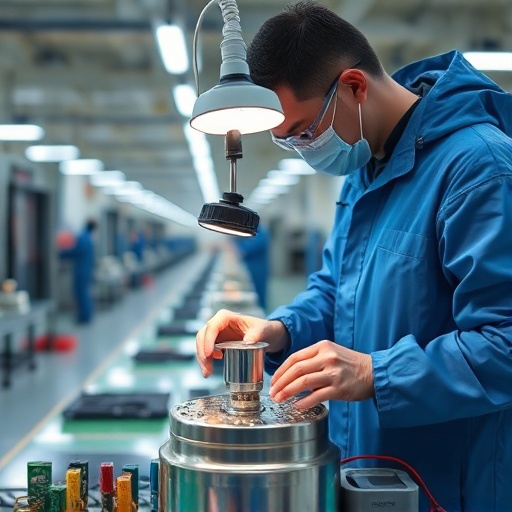

I remember standing in a sprawling facility in Shenzhen during a humid July afternoon, watching a line supervisor pull an entire batch of “smart” feeders off the belt. He wasn’t looking at the sleek plastic casing or the branding; he was testing the Wi-Fi handshake latency. His frustration was palpable. When deciding on a smart pet feeder with Matter protocol vs without: which is better for B2B, you are essentially choosing between the allure of future-proofing and the safety of field-proven stability. For most B2B buyers, the non-Matter, stable Tuya-backed ecosystem remains the safer bet for reducing return rates, while Matter is a specialized play for high-end, early-adopter markets.
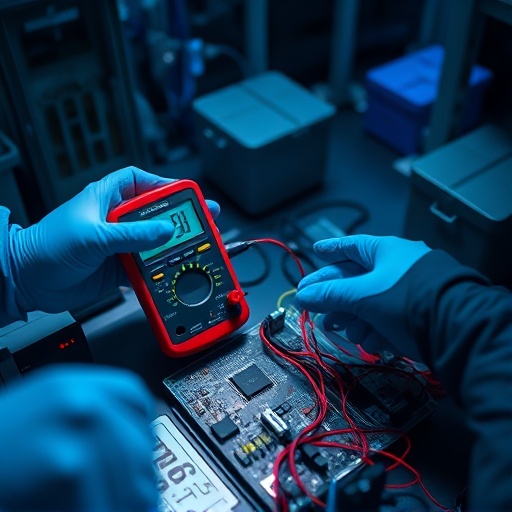
The air in these factories smells of ozone and heated solder. You can feel the vibration of the injection molding machines through your boots. That sensory feedback is something a spec sheet will never convey. When a factory manager tells you their firmware is “Matter-ready,” look at the assembly line. Are they testing for signal drop-offs under load? Or are they just slapping a certification logo on the box? If the production floor is cluttered or the QC station is unmanned, the protocol being used—whether Matter or otherwise—is irrelevant because the hardware foundation is already compromised.
The Hidden Cost of “Smart” Complexity
Many distributors treat Matter like a magic wand. They assume that by adopting the protocol, they automatically win the “smart home” consumer. This is a dangerous misconception. I have seen perfectly engineered feeders rendered useless by a botched OTA (over-the-air) update. Matter requires a more complex backend infrastructure, and if your manufacturer doesn’t have a dedicated software team—not just a third-party contractor—you are one server hiccup away from a warehouse full of paperweights.
My contrarian take? Most pet owners don’t actually care about Matter. They care about the motor not jamming when they are stuck in traffic. I have watched too many brands bleed capital because they prioritized interoperability with a smart fridge over the basic physics of kibble flow. If the impeller design lacks an anti-clog infrared sensor, no amount of ecosystem integration will save your reputation when a customer wakes up to a hungry, frustrated pet.
Assessing Your Risk Profile
When you compare a smart pet feeder with Matter protocol vs without: which is better for B2B, you must look at your target audience’s technical literacy. If you are selling to a mass-market retailer, reliability is your only KPI. A non-Matter unit that connects to a proven app ecosystem is easier to support and less likely to trigger a firmware-related return. However, if your brand is positioned as a premium tech-forward lifestyle product, Matter becomes a necessary differentiator.
DDPark operates on a philosophy of “mechanical first, digital second.” We spend as much time refining the torque of our low-noise motors as we do on connectivity protocols. When you visit our production facilities, you won’t see blue tape marking defects; you see automated optical inspection (AOI) machines that catch micro-fractures in circuit boards before they reach the final assembly stage. This is how we ensure that whether you choose the Matter-enabled route or a standard IoT configuration, the core utility of the product never fails.
Before finalizing your purchase order, pressure-test your manufacturer with these specific questions:
- Firmware Redundancy: What is the fail-safe if the OTA server goes down during an update?
- Mechanical Clearance: Can the device handle irregular kibble shapes without motor stalls?
- Data Sovereignty: Where is the user data hosted, and does it comply with regional privacy laws like GDPR?
- Batch Consistency: Can you provide a breakdown of the last three AQL (Acceptable Quality Limit) reports for this specific model?
- Hardware Longevity: How many cycles has the motor been tested for under maximum weight capacity?
The B2B Strategic Reality
Sourcing is not just about finding the lowest unit price; it is about mitigating the “hidden” costs of customer service and logistics. A cheap feeder that breaks in three months costs you ten times its value in shipping returns and brand damage. If you are looking to scale your brand with confidence, you need a partner who understands the difference between a marketing trend and a manufacturing standard. Explore our Explore DDPark Smart Pet Product Catalog to see hardware designed for real-world usage, not just for the showroom floor.
My advice to anyone entering this space? Start with the basics. Ensure the food-grade plastic is BPA-free, the anti-jam sensors are active, and the motor is whisper-quiet. Once you have that foundation locked down, then decide if your brand needs the complexity of Matter. If you are ready to move forward, Request a Free OEM Quote from DDPark to discuss how we can tailor our DDPark 10+ Years Manufacturing Expertise to your specific market needs without the bloat of unnecessary tech overhead.
Frequently Asked Questions
Q: Does a Matter-enabled feeder actually sell better?
A: In the premium “smart home” segment, it provides a competitive edge. In the broader mass market, consumers prioritize reliability and simple app setup over protocol compatibility.
Q: What is the biggest risk with smart pet feeder electronics?
A: The highest risk is unstable firmware updates that lead to “bricking.” This is often a result of poor server infrastructure rather than the protocol itself.
Q: Can DDPark provide custom branding for smart feeders?
A: Absolutely. We offer full OEM services, including custom app interfaces, packaging, and branding, ensuring your product stands out in a crowded market.
Work with DDPark
We combine deep pet-industry knowledge with rigorous, factory-floor manufacturing standards. Let’s build a product that keeps pets fed and your customers coming back. Get in touch today.
Ready to Start Your OEM Order?
Contact our B2B team today for pricing, MOQ, and custom branding options.