The Complete B2B Sourcing Guide for WiFi Pet Feeder in 2026
Many buyers mistakenly believe that a sleek app interface and a low FOB price equate to a viable consumer product. This is a dangerous fallacy. In reality, the success of your pet tech brand is decided in the high-humidity silence of a factory floor, not in a digital rendering. If you are navigating **the complete B2B sourcing guide for WiFi pet feeder in 2026**, you must look past the aesthetics and interrogate the mechanical core. Twelve years in this industry have taught me that a single compromised batch of firmware or a cheap motor winding will evaporate your margins through returns and negative reviews.
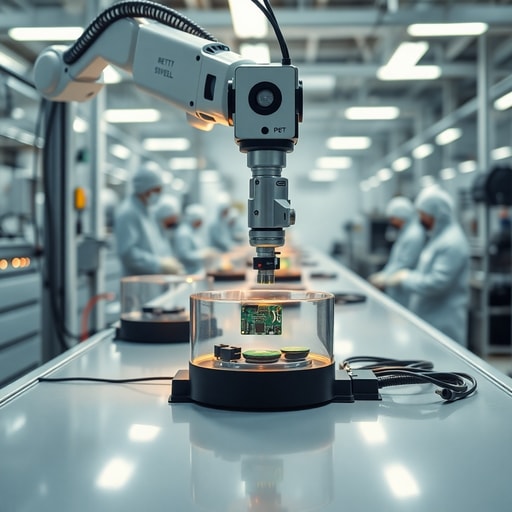
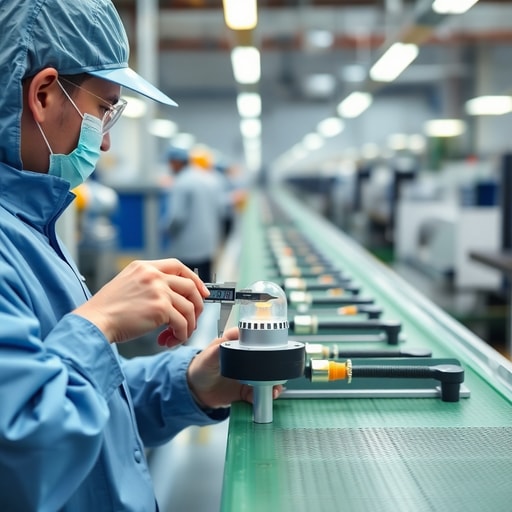
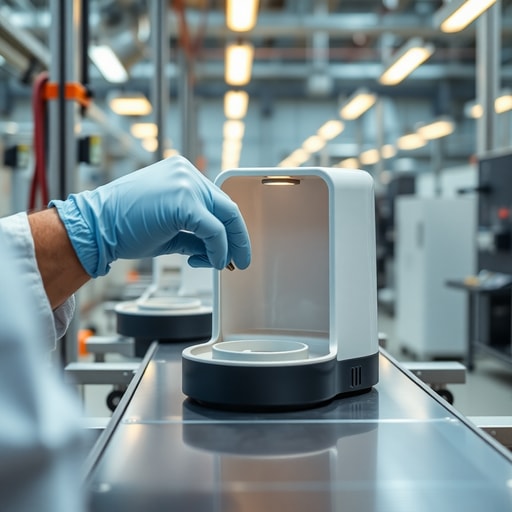
Step onto our production floor, and you hear it immediately: the rhythmic, precise “click-whir” of the gear-testing station. The air smells faintly of ozone and heated plastic. You see technicians in ESD-safe coats meticulously checking the tension on every hopper drive belt. This sensory feedback is the only real indicator of quality. If your supplier cannot provide this level of granular oversight, your brand is merely gambling with customer loyalty.
Table of Contents
The Reality of the Market: Why Quality Fails
Cheap feeders often suffer from “silent failure.” The device appears to function, but the internal motor lacks the torque to push through slightly oversized kibble, causing the system to stall. I once saw a client lose a major retail contract because their “budget” supplier used recycled plastic for the internal gears, which warped under the heat of the motor.
My contrarian take? Stop chasing the lowest unit price. When you squeeze a factory for every cent, they inevitably cut corners on the non-visible components—the capacitors, the copper wiring, and the PCB soldering quality. These are the “hidden” failures that don’t show up in a 10-minute demo. They appear two weeks after the customer starts using the device. You must demand rigorous 48-hour continuous stress testing logs. If a factory hesitates to provide these, walk away.
The Technical Foundation: What Changed in 2026
Connectivity is no longer a luxury; it is the baseline. We have moved past the era of unstable 2.4GHz connections. By 2026, the industry standard has shifted to robust ESP32 modules that handle dual-band WiFi with ease. You should ensure your manufacturer is integrating these with the Matter protocol, which is fast becoming the universal language for smart home interoperability.
When you Explore DDPark Smart Pet Product Catalog, you will notice our obsession with sensor calibration. High-precision IR sensors are now standard, but the real magic is in the software filter that prevents moisture or kibble dust from triggering false “empty” alerts. Personally, I believe the biggest differentiator this year is the move toward modularity. If a user can replace the food tray or the desiccant holder without needing a full unit swap, your return rates will plummet.
Practical Checklist for Amazon Sellers
Your Amazon metrics—Return Rate, Seller Rating, and BSR—are your primary KPIs. Protect them with this rigorous vetting process:
* **FBA Readiness:** Verify that the supplier understands FNSKU labeling and international drop-shipping requirements.
* **Firmware Maturity:** Confirm the capability for OTA (Over-The-Air) updates. A product that cannot be patched is a dead product.
* **Certifications:** Demand current CE, FCC, and RoHS certificates. Do not settle for copies from three years ago.
* **Food Safety:** Ensure all food-contact surfaces are LFGB or FDA-compliant.
* **Packaging Resilience:** Test the drop-resistance of the retail box. Last-mile delivery is brutal on heavy electronics.
* **Spare Parts:** Demand a 1-2% surplus of critical parts like motor gears and power adapters in every shipment.
If you are ready to scale, Request a Free OEM Quote from DDPark to see how we handle these requirements at the factory level.
ESG Trends and Material Compliance
Retailers are now auditing the entire supply chain for environmental impact. Moving away from virgin plastics toward recycled, food-safe polymers is no longer optional for premium brands. We see a massive shift toward bio-based materials in the European market. If your brand wants to survive the next five years, you need to partner with a factory that documents its waste management and energy usage.
The DDPark Manufacturing Philosophy
DDPark is built on three generations of engineering expertise. Situated in the Pearl River Delta, our facility serves as a hub for innovation, not just assembly. We manage an export volume covering 50+ countries, but we treat every client’s shipment as if it were our own flagship product. We operate under a “Zero-Defect” philosophy, which means we do not rely on luck. We utilize in-house R&D to ensure that every device meets international standards.
We understand the specific pressures you face:
* **For Startups:** We offer flexible MOQs to help you test the market without heavy inventory risk.
* **For Distributors:** We provide high-volume production with consistent, batch-to-batch quality.
* **For Kennel Operators:** We offer ruggedized, heavy-duty smart feeding solutions designed for high-traffic environments.
Learn more about our heritage here: DDPark 10+ Years Manufacturing Expertise.
Frequently Asked Questions
Q: What is the most critical component to inspect in a smart pet feeder?
A: The motor and anti-jam mechanism are the most critical. Cheap copper windings lead to overheating, while poor IR sensor calibration causes false “empty” alerts.
Q: How do I ensure my WiFi feeder is future-proof?
A: Ensure the device supports the Matter protocol and utilizes stable chips like the ESP32 to prevent connectivity dropouts.
Q: Why is stainless steel preferred over plastic for food bowls?
A: Stainless steel is more hygienic, dishwasher safe, and prevents bacteria buildup, which directly increases end-user satisfaction and reduces returns.
Q: What does “Zero-Defect manufacturing” mean for my brand?
A: It means rigorous IQC (Incoming Quality Control) processes are applied at every stage, significantly reducing the “dead stock risk” caused by mass product failure.
Q: How can DDPark support a startup with low initial capital?
A: DDPark offers flexible MOQs and comprehensive OEM services, including APP customization and logo branding, allowing startups to test markets without massive overhead.
Work with DDPark
DDPark provides CE FCC RoHS certified, factory direct OEM pricing, in-house R&D engineering, and is Matter protocol ready. Let’s build your brand with quality that lasts.
Ready to Start Your OEM Order?
Contact our B2B team today for pricing, MOQ, and custom branding options.