“Self-cleaning litter box with filter replacement vs without: which is better for B2B?” If you are reading this while nursing a lukewarm coffee at midnight, frustrated by a pile of conflicting spec sheets, you are not alone. Here is the unvarnished truth: **Choose a filter-replacement model if your business strategy relies on high-margin recurring revenue through consumables, but opt for a high-end filterless unit if your priority is minimizing customer support tickets and avoiding the “tech-support nightmare” of sensor-related maintenance complaints.**
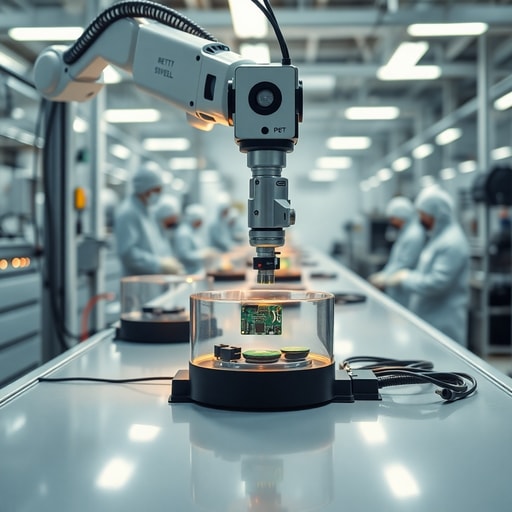
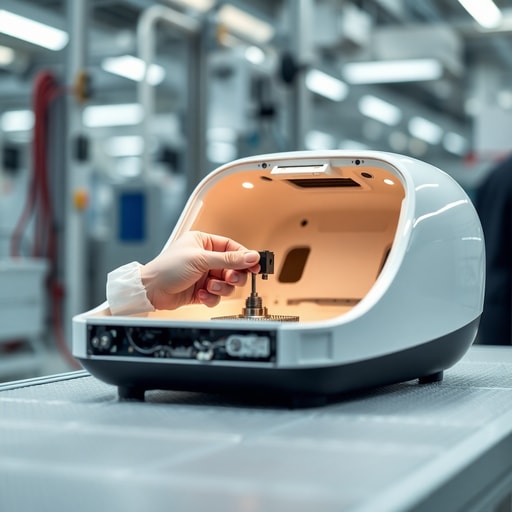
Walking the factory floor here in the Pearl River Delta, the air carries the faint, sharp scent of ozone and heated plastic. I’ve spent twelve years watching these lines move. I’ve seen the shift from basic mechanical timers to the complex IoT-integrated units we ship today. When you’re standing on the line, watching a robotic arm place a high-precision infrared sensor onto a PCB, the difference between a “good” unit and a “return-bound” unit becomes painfully obvious.
Filters are the ultimate double-edged sword. From a purely financial perspective, the “razor and blade” model is seductive. You sell the unit once, and the customer stays tethered to your brand through a monthly subscription for charcoal inserts. I’ve seen brands thrive on this model, but only when the filter housing is foolproof. If your replacement mechanism requires a customer to fight with a stiff plastic tab, they will vent their frustration in your Amazon reviews. That one bad user experience can tank a listing faster than any competitor’s ad campaign.
Contrarian insight: I believe the industry is moving away from complex filter systems. We are seeing a massive demand for “filterless” designs that rely on superior mechanical sealing. By focusing on an airtight waste drawer and a faster cleaning cycle, you eliminate the need for charcoal entirely. This reduces your “failure surface”—the number of parts that can break, clog, or cause a sensor error. A unit that simply works is worth more in long-term brand equity than a unit that requires constant maintenance.
Stepping into our QC department, you hear the rhythmic *click-hiss* of the pneumatic testing rigs. We don’t just eyeball these units. We subject every batch to a stress test that simulates a year of feline activity in forty-eight hours. Most importers don’t realize that the biggest enemy of a self-cleaning litter box isn’t the cat—it’s the humidity and the corrosive nature of pet waste. If the plastic molding isn’t perfectly flush, or if the motor housing isn’t sealed to IPX standards, the electronics will eventually fail. I’ve personally pulled apart units from competitors that were failing because they used cheap, porous seals that absorbed odors. That’s a mistake you only make once.
Software is the other half of this equation. You don’t need an app that tries to do everything; you need an app that never disconnects. We’ve moved heavily toward Matter-compatible architecture because your customers want their pet tech to talk to their smart home hubs. If your litter box is the only device in the house that won’t sync with their WiFi, it’s going back in the box for a refund. My personal opinion? Stop trying to build a “social media” app for a litter box. Build a rock-solid, stable utility that notifies the user when the bin is full—nothing more, nothing less.
When you browse our catalog, you’ll notice we don’t push “features” for the sake of marketing. We push reliability. Whether you decide on a filter-based unit to capture that subscription revenue or a filterless model to reduce your support burden, your success hinges on the manufacturing partner behind the curtain. We maintain a Zero-Defect philosophy because I know exactly how much it costs to replace a container of faulty goods. It isn’t just money; it’s your reputation.
Do not be fooled by slick presentations from factories that outsource their R&D. You need to know who is writing the firmware and who is sourcing the sensors. At DDPark, we handle the full cycle—from the initial CAD design to the final CE and RoHS certification. If you want to see how we handle custom branding without the headache of a massive MOQ, reach out for an OEM quote. We are here to make sure your brand is the one people recommend, not the one they return.
The debate over “self-cleaning litter box with filter replacement vs without: which is better for B2B” eventually leads to the same place: quality. A filter won’t save a bad motor, and a filterless design won’t save a buggy app. Focus on the core mechanics, demand transparency from your supplier, and build for the user who just wants their home to smell clean. That is the only way to win in this market.
Frequently Asked Questions
Q
Do filter-based litter boxes actually increase customer retention?
A
Yes, provided the replacement cycle is seamless. Auto-notifications via the app keep users engaged with your brand ecosystem, creating a recurring revenue stream through proprietary filter sales.
Q
Are filterless models prone to odor issues?
A
Not if they are engineered correctly. Modern filterless designs utilize high-precision infrared sensors and airtight mechanical seals to trap waste, making charcoal filters largely redundant while lowering the total cost of ownership for your customers.
Q
How does DDPark ensure the quality of sensors in these units?
A
We utilize AOI (Automated Optical Inspection) systems on our assembly lines to verify every single solder point. This rigorous check minimizes the “false-positive sensor trigger” that is common in mass-produced, lower-quality pet hardware.
Work with DDPark
Our units feature stable Tuya connectivity, low MOQ support, in-house R&D engineering, and are fully CE, FCC, and RoHS certified. Let’s build your next best-seller together.
Ready to Start Your OEM Order?
Contact our B2B team today for pricing, MOQ, and custom branding options.