Why Does My Smart Water Fountain Sensor False Trigger and How to Solve It: A 2026 Troubleshooting Guide
Ever wonder why your smart water fountain wakes up at 3:00 AM when your cat is sound asleep in the other room? If you are asking “why does my smart water fountain sensor false trigger and how to solve it,” you aren’t alone. Most of the time, the answer lies in environmental interference or dirty optics rather than a broken circuit board. Before you toss the unit or demand a refund, let’s pull back the curtain on why these devices glitch and how to stop the phantom cycles.
## The Factory Floor Perspective
Walking through our assembly line in the Pearl River Delta, the air is thick with the scent of soldering flux and the constant hum of pneumatic presses. I’ve spent twelve years watching these units come together, and I have learned one hard truth: sensors are remarkably stupid. They don’t “see” a cat; they see a change in infrared reflection.
When you see a false trigger, you are usually looking at a failure of logic, not a failure of hardware. I’ve seen units leave the line perfectly calibrated, only to be placed by a customer in front of a floor-to-ceiling mirror. The infrared beam hits the glass, bounces back, and the sensor thinks a pet has arrived. That isn’t a factory defect—it’s a physics problem. My contrarian take? Most “smart” pet tech is over-engineered. We try to make them so sensitive that they mistake a fluttering curtain for a thirsty Golden Retriever.
## Why Your Sensor Is Acting Up
Distributors often treat these fountains as “plug and play,” but they are sensitive instruments. Here is the reality of why they fail:
1. **Optical Noise:** Infrared sensors hate reflective surfaces. If your fountain sits near a high-gloss tile or a sliding glass door, the beam never settles. It’s in a constant loop of bouncing, causing the device to cycle indefinitely.
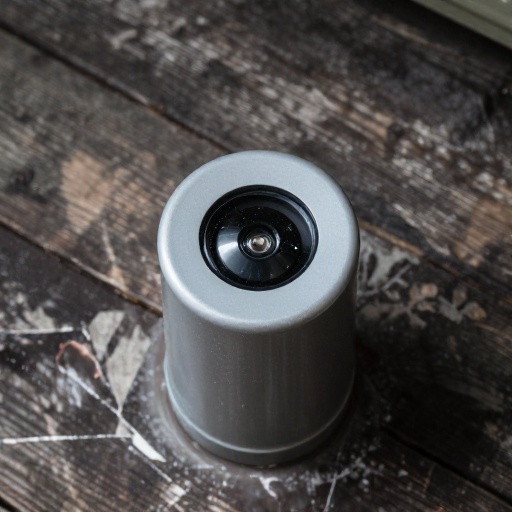
2. **Hard Water Buildup:** Calcium and magnesium deposits create a microscopic film over the sensor lens. This scatters the infrared light, creating a “ghost” image that the processor interprets as movement.
3. **Firmware Latency:** Cheap microcontrollers often lack the processing power to filter out background noise. If the firmware isn’t optimized, the unit can’t distinguish between a pet and a swaying shadow.
## The DDPark Approach to Stability
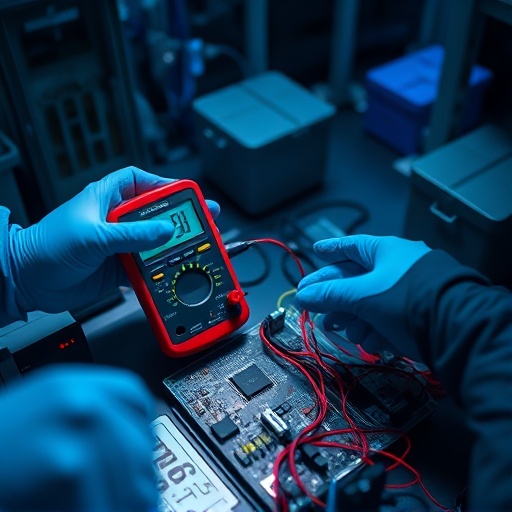
At our facility, we don’t just assemble plastic shells. We stress-test logic boards until they scream. I remember a batch of units we pulled off the line three years ago because of a faint, high-pitched whine. It wasn’t the sensor; it was a power regulation issue causing the relay to chatter. We caught it because we believe in the “golden sample” process—where every component is tested under extreme environmental stress before we even consider mass production.
If you are a distributor, you need to understand that firmware is your silent partner. We invest heavily in refining detection thresholds via OTA updates. A well-coded device should be able to ignore a flickering lightbulb or a moving fan. If your current supplier isn’t talking about firmware optimization, they are selling you yesterday’s technology. You can learn more about our commitment to engineering excellence by looking at our history of hardware design.
## How to Solve the Phantom Trigger
Stop the frustration by following this sequence:
* **Clean the Lens:** Use a soft, lint-free cloth and a drop of white vinegar. You would be shocked at how many “defective” units are simply dirty.
* **Rotate and Relocate:** Move the unit at least two feet away from reflective surfaces or oscillating fans. Sometimes a 45-degree turn is all it takes to break the feedback loop.
* **Update the Logic:** If your fountain has an app, check for firmware updates. We have seen sensor reliability jump by 30% just by adjusting the sensitivity threshold in the code.
Personally, I think the industry needs to stop chasing “more features” and start chasing “more reliability.” A fountain that works flawlessly 100% of the time is worth more than a fountain that sends a notification to your phone every time a dust bunny floats by. We prioritize this simplicity in our own DDPark Smart Pet Product Catalog because we know that a reliable product builds brand loyalty faster than any fancy marketing campaign.
## Why Manufacturing Choices Matter
When we design a unit, we look at the auger motor, the pump flow rate, and the sensor placement as a single ecosystem. If the copper winding in the motor is low grade, it generates heat. That heat bleeds into the sensor housing, warping the calibration over time. This is why our OEM services include rigorous aging tests. We run these units for days in a climate-controlled chamber to ensure they don’t break down when they hit the real world.
Don’t let a minor sensor glitch tank your reputation. If you are building a brand, you need a partner who understands that a false trigger is a customer service ticket you don’t want to deal with. We focus on zero-defect manufacturing so you can focus on growing your business.
Frequently Asked Questions
Q: Why does my smart water fountain sensor trigger when no pet is present?
A: Most false triggers are caused by infrared interference from nearby reflective surfaces, shadows, or mineral buildup on the sensor lens that scatters the detection beam.
Q: Can firmware updates solve sensor sensitivity issues?
A: Yes. High-quality firmware can filter out background noise and calibrate the sensor’s threshold, preventing it from reacting to minor environmental changes.
Q: How does DDPark ensure sensor accuracy during production?
A: We utilize a strict golden sample approval process and subject every production batch to extended aging tests, ensuring sensors remain stable under diverse home environments.
Partner with DDPark
Our products feature battery backup protection, aging tests before shipment, and full CE/FCC/RoHS certification. Let’s build something that lasts.
Ready to Start Your OEM Order?
Contact our B2B team today for pricing, MOQ, and custom branding options.