Why Does My Pet Feeder With Camera Jamming and How to Solve It: A 2026 Troubleshooting Guide
I remember walking the floor of our assembly plant at 3:00 AM last winter. The hum of the ultrasonic welders was the only sound in the room, but my focus was on a single, stubborn prototype. It was a smart feeder that refused to dispense kibble consistently. One minute it worked; the next, the motor groaned, stalled, and sent a “Jam” alert to the app. If you are currently asking, “why does my pet feeder with camera jamming and how to solve it,” you are dealing with the exact same mechanical resistance I was staring down that night. The answer is rarely a single “fix-all” button; it is almost always a combination of kibble geometry, motor torque, and sensor hygiene.
The pet tech industry has shifted from the “novelty phase” to a “performance phase” where reliability is the only metric that matters. Many Amazon sellers push units that fail within ninety days because they cut corners on the auger motor or the load cell. When you strip away the branding, you are left with a simple mechanical problem: the food is too big, the motor is too weak, or the sensor is too dirty.
## The Sensory Reality of the Assembly Line
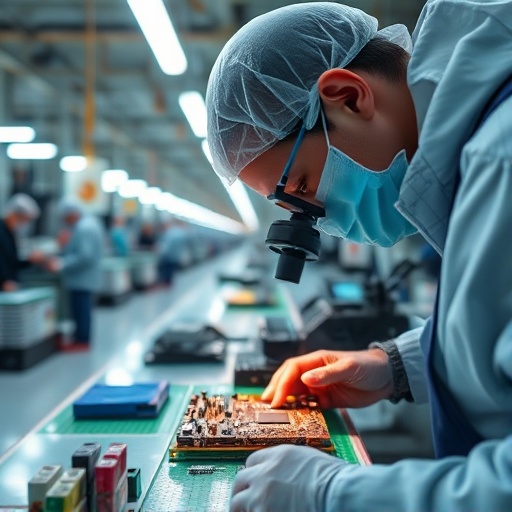
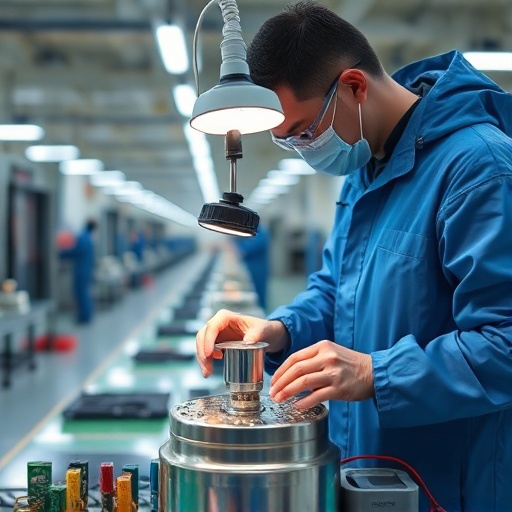
Step onto our production floor in the Pearl River Delta, and you’ll smell the faint, sharp scent of ozone from the soldering stations. You see the raw ABS plastic pellets waiting to be injected into molds. When we assemble a feeder, we aren’t just putting plastic together. We are calibrating the balance between the torque of the motor and the resistance of the kibble.
If the auger mold is poorly designed, it creates “bridging,” where kibble locks together like a puzzle. No amount of software updates will fix a physical bridge. I often tell our partners that if the plastic housing has even a 0.5mm deviation, the entire feeding cycle is compromised. That is the hidden cost of “cheap” manufacturing.
## Diagnostic Path: Why Does My Pet Feeder With Camera Jamming and How to Solve It?
To solve a jam, you must look at the device as a system, not a gadget. Follow this diagnostic checklist to isolate the failure point:
1. **The Kibble Geometry Check:** Most “smart” feeders are calibrated for 5mm to 12mm dry kibble. If you are using high-protein, irregularly shaped, or semi-moist food, you are inviting disaster. These foods clump and create massive friction against the auger walls.
2. **Sensor Obstruction:** Infrared sensors inside the food chute are notorious for collecting dust and kibble oils. If your feeder reports a jam but the chute is clear, take a dry, lint-free microfiber cloth and gently wipe the sensor eyes.
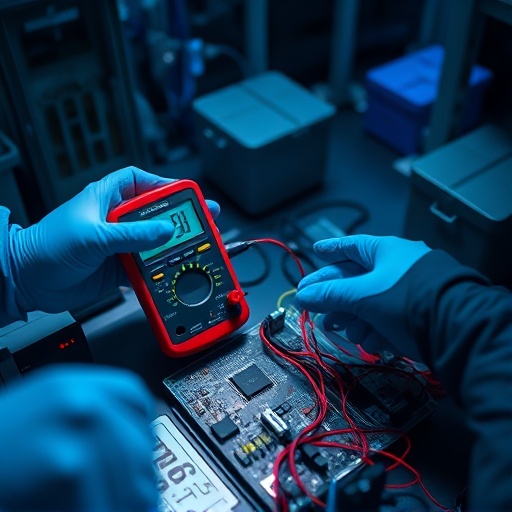
3. **The Motor Whine:** Listen closely during a manual dispense. A high-pitched, strained whine indicates the motor is fighting against high torque. This is a hardware limitation. If your feeder uses a low-torque brushed motor, it will eventually lose the battle against a full hopper.
4. **Firmware Latency:** Ensure your device is on the latest firmware. Modern anti-jam logic uses a “reverse-cycle” maneuver. The software detects the current spike when the motor stalls, pauses, and reverses the auger to break the kibble bridge before trying again.
## The Contrarian View: Why “Smart” Isn’t Always Better
Here is an opinion that might ruffle some feathers: connectivity is often the biggest enemy of reliability. Many companies focus on 4K cameras and social media sharing features while neglecting the core mechanical drive. I’ve seen beautiful devices with stunning video feeds that fail to drop a single piece of food because the internal gear train was made from brittle, low-grade plastic.
A camera is useless if the bowl is empty. If you are sourcing or buying, prioritize the motor and the auger design over the resolution of the video lens. A high-torque, brushless motor is worth ten times more than a high-definition camera when it comes to long-term ownership.
## Component Quality: The DDPark Standard
We have learned over our ten years in the industry that “zero-defect manufacturing” requires an obsessive approach to components. During our pilot runs, we use an AOI (Automated Optical Inspection) system that flags even the slightest inconsistency in solder brightness on our PCB boards.
| Feature | Low-End Market Feeder | DDPark OEM Standard |
| :— | :— | :— |
| **Auger Motor** | Brushed, plastic gear | Brushless, high-torque steel gear |
| **Connectivity** | Unstable 2.4GHz | Industrial-grade ESP32 module |
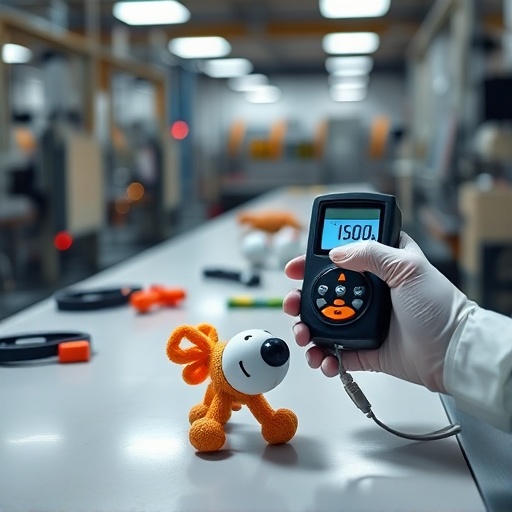
| **QC Process** | Visual spot-check | 48-hour burn-in + AOI testing |
| **Chute Design** | Narrow, high friction | Wide-mouth, anti-clog geometry |
When you choose a manufacturer with DDPark 10+ Years Manufacturing Expertise, you are paying for the peace of mind that comes from stress-testing under extreme humidity and repetitive cycles. We don’t just ship units; we ship reliability.
## Scaling Your Pet Tech Brand
The market is maturing rapidly. Consumers are tired of replacing feeders every six months. Whether you are a startup looking for flexible MOQ support or an established brand needing a reliable, FBA-ready inventory for the USA, Germany, or Japan, the solution lies in the engineering. If you are ready to stop dealing with customer complaints about jamming, it is time to upgrade your Explore DDPark Smart Pet Product Catalog.
Don’t let a bad motor ruin your brand reputation. When you are ready to discuss moving from mass-market prototypes to premium, high-reliability units, Request a Free OEM Quote from DDPark. We know the machines, we know the sensors, and we know exactly how to keep the food moving.
Frequently Asked Questions
Q: Why does my pet feeder with camera jam even when the hopper is full?
A: This is usually a mechanical bridge caused by kibble size inconsistency or high oil content. If the sensors are clean and the food is standard size, your motor may be underpowered.
Q: Can a software update fix my pet feeder’s jamming issues?
A: Software can help by initiating a “reverse-cycle” to clear minor obstructions, but it cannot fix a hardware failure or a structural design flaw. Firmware is a safety net, not a replacement for a quality motor.
Q: How do I know if my feeder’s hardware is the problem?
A: If you hear a grinding noise or a consistent high-pitched whine during operation, the internal gears or motor are likely failing under the weight of the food. This is a hardware issue that requires a more robust feeder design.
Ready for Reliable Manufacturing?
Experience industry-leading factory direct OEM pricing, long-life motor systems, and rigorous QC protocols. Let us help you scale your brand with hardware that actually works.
Ready to Start Your OEM Order?
Contact our B2B team today for pricing, MOQ, and custom branding options.