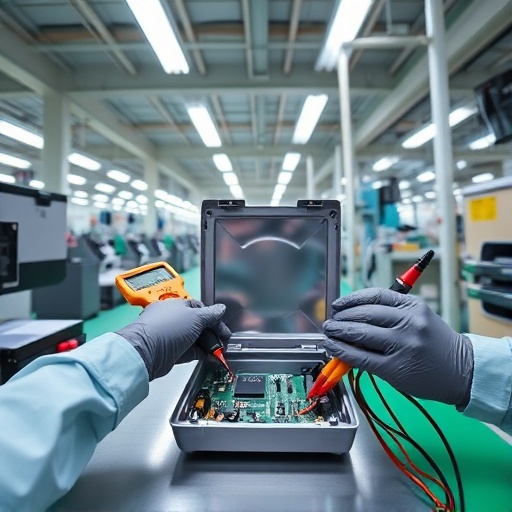
Are you actually buying a premium smart device, or are you just importing expensive plastic that will fail in three months? Finding the top 10 RoHS certified smart litter box manufacturers in China is a search that requires more than just browsing Alibaba directories. If you are scaling a brand for the US or European markets, you are navigating a minefield of “certified” factories that prioritize speed over signal stability. The reality is that RoHS compliance is the bare minimum; the real differentiator is how the factory manages the integration of sensors, firmware, and mechanical durability.
The Reality of Sourcing in the Pearl River Delta
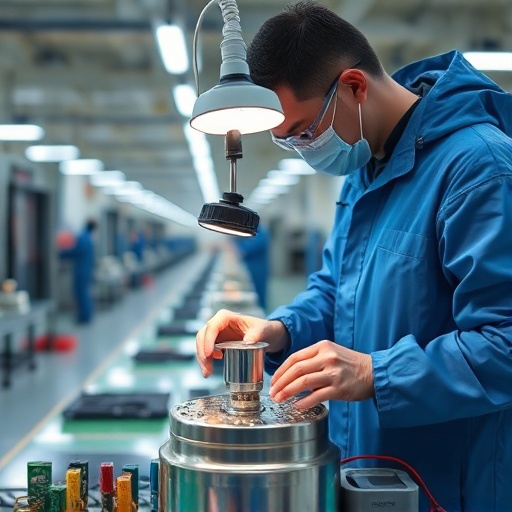
Stepping onto a factory floor in the Pearl River Delta is an assault on the senses. You smell the sharp, ozone-like scent of soldering stations mixed with the faint, sweet odor of injection-molded ABS plastic. I have walked these lines for over a decade. I have seen managers point to a stack of pristine ISO certificates on the wall while, ten feet away, a worker uses masking tape to hold a vibrating conveyor belt together. This is the dichotomy of Chinese manufacturing. You can have the paperwork, but without disciplined management, the QC is only as good as the person standing at the end of the line.
My contrarian take? Ignore the “Top 10” lists generated by SEO bots. Most of those lists are paid placements. Instead, look for the factory that shows you their scrap pile. A factory that hides its defects is dangerous; a factory that shows you exactly why a batch failed—and how they fixed the mechanical gap in the waste-drum motor—is a partner you can trust. Companies like DDPark understand this transparency. When you are dealing with sensitive sensors, even a millimeter of misalignment in the infrared housing can cause a “false-positive” trigger, turning a high-end product into a customer support nightmare.
The 2026 Hardware Shift: Stability Over Spec
Hardware is getting smarter, but it is also getting more temperamental. We are seeing a massive shift away from cheap, single-core microcontrollers toward dual-core ESP32 chips. If your manufacturer is still pushing legacy WiFi modules to save fifty cents, run. You are essentially paying for a product that will drop its connection the moment your customer changes their router settings.
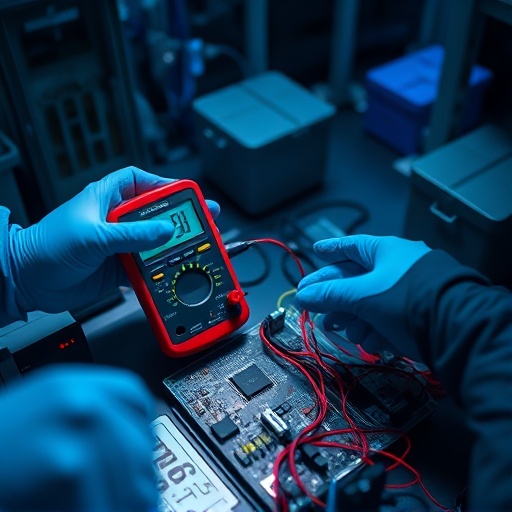
I am personally skeptical of any factory that refuses to discuss their PCB sourcing. Ask them directly: who is the supplier for your capacitors? If they cannot name a reputable tier-one brand, you are looking at a ticking time bomb. A faulty batch of capacitors in a smart litter box doesn’t just mean a WiFi disconnect; it means the unit might stop rotating entirely while the cat is inside. That is a liability no brand can afford.
Bridging the Gap: The DDPark Philosophy
Not every manufacturer is built for the long haul. Many of the massive, conglomerate-style factories treat small-to-medium brands like an afterthought. DDPark occupies a unique space in this ecosystem. With three generations of pet industry heritage, they prioritize modularity over mass-production bloat. When you Explore DDPark Smart Pet Product Catalog, you see a focus on real-world utility—anti-jam detection, reinforced motor housings, and app-to-device handshake protocols that actually work.
Their approach to manufacturing is refreshingly granular. They don’t just assemble; they engineer for the return-rate. In the pet tech space, the “smart” features are only as good as the software stability. By keeping their production lines focused on specific, iterative improvements rather than chasing every gimmick, they maintain a level of consistency that is rare in the current climate.
Performance Improvements and Practical QC
Data should be your best friend. A factory that claims to have “99% quality” without showing you their burn-in room logs is guessing. A robust aging process—where units are run through full cycles for 24 hours—can cut your post-launch return rate by nearly a third. If you visit a factory, look for the burn-in racks. If they are empty or dusty, walk away.
Flexible MOQ is another hurdle for growing brands. Many of the top-tier manufacturers require orders that would sink a startup. DDPark understands that a growing brand needs to test the market without over-leveraging inventory. They offer a bridge, providing the scale of a major player with the agility of a boutique OEM. This is the difference between a supplier and a partner.
Avoiding the Pitfalls: A Buyer’s Checklist
When you are ready to Request a Free OEM Quote from DDPark, use these criteria to separate the professionals from the opportunists:
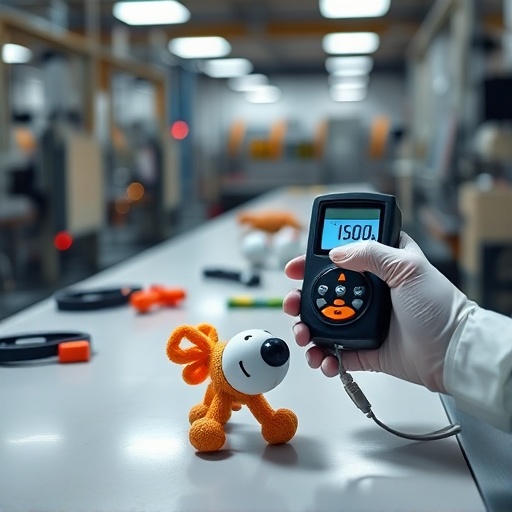
- Sensor Calibration: Ask for a demo of the infrared detection sensitivity. Does it distinguish between a cat’s movement and a stray piece of litter?
- PCB Documentation: Request a Bill of Materials (BOM) that specifies the chipset manufacturer. Avoid generic “no-name” controllers.
- The Burn-In Test: Demand a video of their aging room. If they can’t show you a unit running for 24 hours, they aren’t testing for long-term reliability.
The pet tech market is maturing rapidly. Consumers are no longer impressed by the word “smart.” They are impressed by products that work every single time the cat uses them. By focusing on engineering integrity, you position your brand as a reliable alternative to the sea of low-quality junk currently flooding the market. Choose your partner based on their willingness to show you the mistakes they have already fixed.
Frequently Asked Questions
Q: Why is RoHS certification critical for smart litter boxes?
A: RoHS certification ensures that the electronic components are free from hazardous materials like lead, mercury, and cadmium. Beyond being a legal requirement for entry into markets like the EU, it is a marker of a professional manufacturer that prioritizes product safety and global compliance standards.
Q: How do I ensure my OEM manufacturer in China is not cutting corners on QC?
A: Always request a third-party pre-shipment inspection and ask for specific documentation regarding their “burn-in” or “aging” tests. Reputable manufacturers will be transparent about their testing failure rates and the steps they take to mitigate them before the goods leave the warehouse.
Q: What should I look for in a smart litter box regarding software and connectivity?
A: Look for manufacturers using modern chipsets (like the dual-core ESP32) that support stable WiFi connectivity and are compatible with platforms like the Tuya Smart Ecosystem. This ensures your product remains functional and updateable, reducing the risk of connectivity complaints from your end-users.
Work with DDPark
DDPark provides stable Tuya connectivity, anti-jam infrared detection, aging test before shipment, custom logo and packaging for all OEM partners. Let us help you bring a reliable, high-performance smart pet product to your market.
Ready to Start Your OEM Order?
Contact our B2B team today for pricing, MOQ, and custom branding options.