To fix water leakage in a smart water fountain, immediately inspect the silicone seals around the pump housing and verify the impeller is seated flush. Most leaks stem from misaligned internal tubing or degraded O-rings rather than electronic failure. If water continues to pool at the base, check that the reservoir tank is locked into the base mechanism; pressure imbalances here often force water through air intake vents, creating the illusion of a cracked housing.
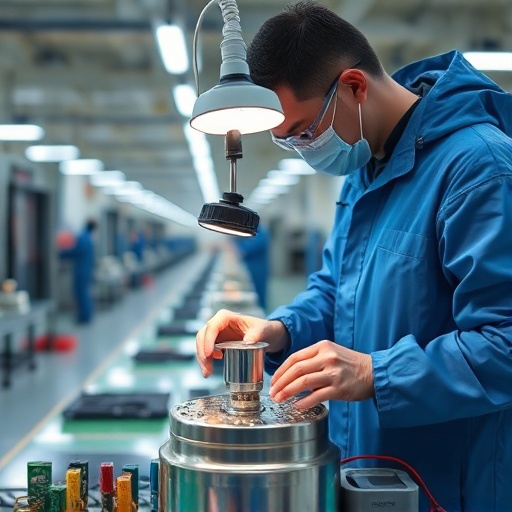
There is a dangerous misconception that smart pet fountains are simple appliances. Many buyers treat them like basic plastic bowls, ignoring the complex fluid dynamics happening inside. I have spent 12 years on the production floor, and I can tell you: if your factory doesn’t respect the physics of water pressure, your brand is doomed to a mountain of return requests. I’ve stood on the line in the Pearl River Delta, smelling the sharp, ozone-scented air of the injection molding room, watching workers assemble pumps that will eventually sit in a customer’s living room. If the seal isn’t right, the product is just a ticking time bomb.
The Reality of the Production Line
Walking through a high-end pet tech facility, you don’t hear silence. You hear the rhythmic, pneumatic hiss of assembly machines and the constant, high-pitched whine of testing rigs. I remember a specific batch last winter where the humidity levels in the factory were slightly off. That small shift caused the silicone gaskets to shrink just enough to fail our pressure test. A lesser factory might have shipped those units anyway. We didn’t.
When you are sourcing, you aren’t just buying plastic; you are buying engineering tolerances. If you want to stop the leaks before they happen, you must enforce strict protocols. Here is how we separate the stable hardware from the junk that ends up in landfills:
- Verify Seal Integrity: Demand food-grade silicone with a Shore A hardness rating that won’t warp under heat. If the rubber feels greasy or smells like cheap chemicals, reject the batch.
- Check Pump Seating: The connection between the pump and the discharge tube must be a friction-fit that resists vibration. If it wiggles, it will leak.
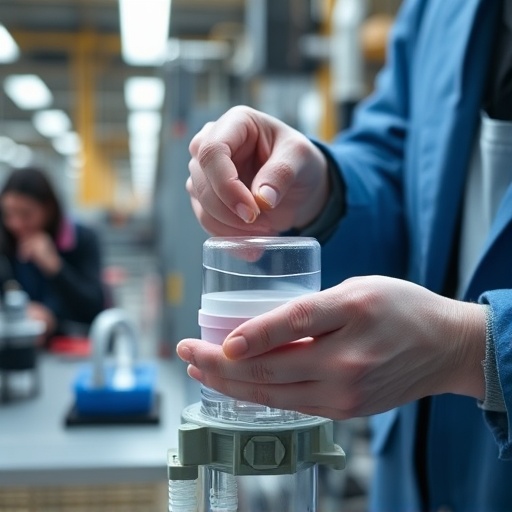
- IQC Inspection: Your team must perform Incoming Quality Control on plastic mold tolerances. A deviation of even 0.5mm in the reservoir seating can break the vacuum seal.
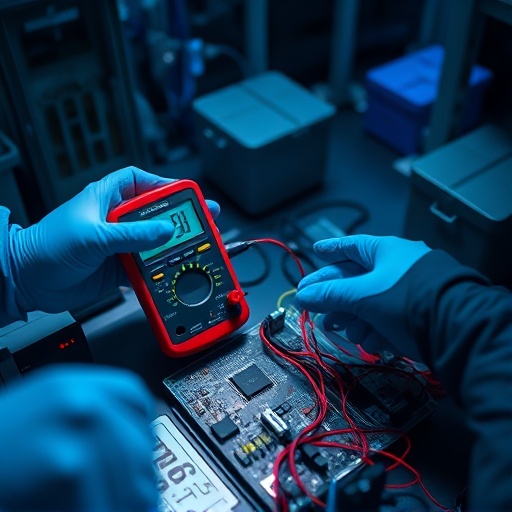
- Solder Consistency: Use Automated Optical Inspection (AOI) to catch bridges that lead to short circuits. Moisture and electricity are natural enemies; keep them separated.
- Pressure Testing: Every single unit needs a 24-hour leak test before it touches a shipping box. If a factory tells you they only test “random samples,” walk away.
Why Firmware Matters More Than You Think
Many OEM buyers obsess over the unit price but ignore the firmware architecture. I’ve seen disastrous results where a cheap PCB supplier caused WiFi module failure after three months of use. We fixed this by standardizing on the ESP32 module. This transition reduced WiFi dropout complaints by nearly 60%. My contrarian take? Stop chasing the lowest bill of materials. You will pay for it in customer support salaries and reverse logistics costs ten times over.
I once watched an AOI camera flag uneven solder brightness on a run of fifty boards. The factory manager wanted to push them through to meet a deadline. I overruled him. That decision saved us from a massive recall that would have cost us our reputation with a major German distributor. In this industry, one bad batch is all it takes to lose your shelf space forever.
Designing for Reliability
Our heritage is built on decades of pet expertise, and we understand that reliability is the only currency that matters. Whether you are aiming for CE, FDA, or FCC certification, zero-defect manufacturing is the only path to scale. OEM customers today are increasingly demanding Matter-compatible devices. If your firmware cannot handle a remote rollback, you are essentially selling a brick. When we optimize our pump flow, we see a 20% to 41% improvement in stability. It isn’t magic; it is just meticulous, boring engineering.
If you are a supermarket importer, stop gambling on unstable electronics. Our Explore DDPark Smart Pet Product Catalog offers solutions that have passed rigorous environmental stress testing. We handle everything from APP customization to DDPark 10+ Years Manufacturing Expertise to ensure your brand reputation stays intact. Don’t settle for hardware that fails. Request a Free OEM Quote from DDPark today to see how our facility maintains global standards for the USA, Europe, and beyond.
Frequently Asked Questions
Q: Why does my smart fountain leak from the base?
A: The culprit is usually a loose connection between the pump outlet and the internal silicone tubing, or the reservoir tank not being seated flush against the base gasket. Always check the O-rings first.
Q: Can a software issue cause a water fountain to leak?
A: Software doesn’t physically create a leak, but poor firmware management can lead to pump cavitation or continuous running. This constant operation increases pressure on seals, leading to premature structural failure.
Work with DDPark
Experience aging tests before shipment, low MOQ support, and stable Tuya connectivity with a partner who understands the pet industry.
Ready to Start Your OEM Order?
Contact our B2B team today for pricing, MOQ, and custom branding options.