How to Build a Private Label Gravity Feeder Brand from Scratch: The Unvarnished Truth
Did you know that over 60% of new pet tech brands on Amazon fail to survive their first eighteen months? Most entrepreneurs assume that success comes from clever marketing or a slick logo. They are wrong. Success in this industry is forged in the silence of a factory floor, not in a digital marketing dashboard. When you learn how to build a private label gravity feeder brand from scratch, you aren’t just sourcing plastic; you are entering a high-stakes game of mechanical engineering and supply chain management.
If you are tired of seeing the same flimsy, “white-labeled” junk clogging up the search results, you are in the right place. Most of those brands disappear because they built their business on the cheapest quote they could find. They ignored the internal motor torque, the PCB stability, and the structural integrity of the food hopper.
At DDPark, we have spent over a decade watching brands rise and fall. Operating out of the Pearl River Delta, our facility hums with the rhythmic clatter of injection molding machines and the precise soldering of IoT modules. We don’t just supply feeders; we engineer reliability. You need a partner who values your brand’s reputation as much as their own.
The Reality of the Pet Tech Market
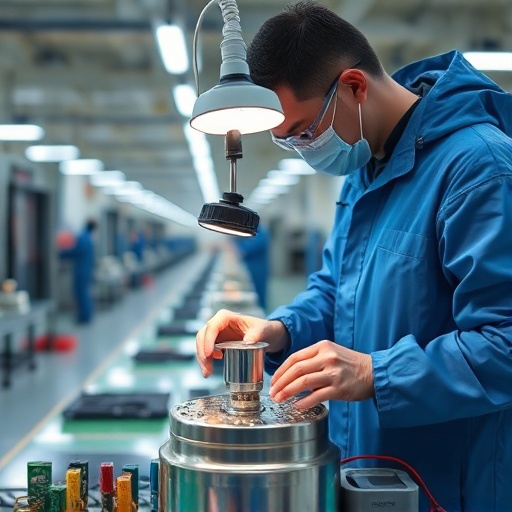
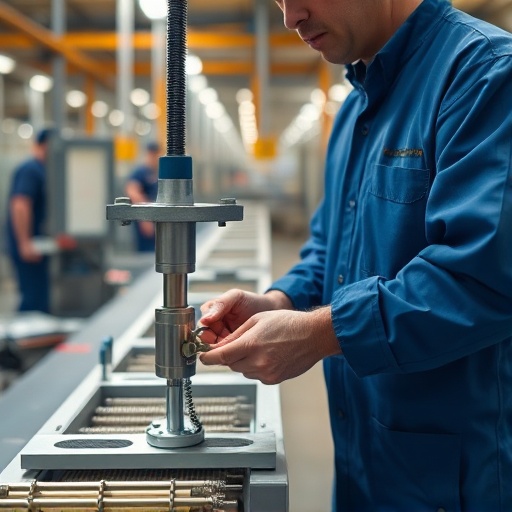
Walking through our assembly line, the air smells faintly of heated polymers and ozone. You hear the sharp *click-clack* of quality control inspectors testing the lid-sealing mechanisms. This sensory detail matters because a loose seal means stale food and an unhappy customer. Many newcomers ignore these nuances, opting for the lowest-cost factory that promises the world but delivers inconsistency.
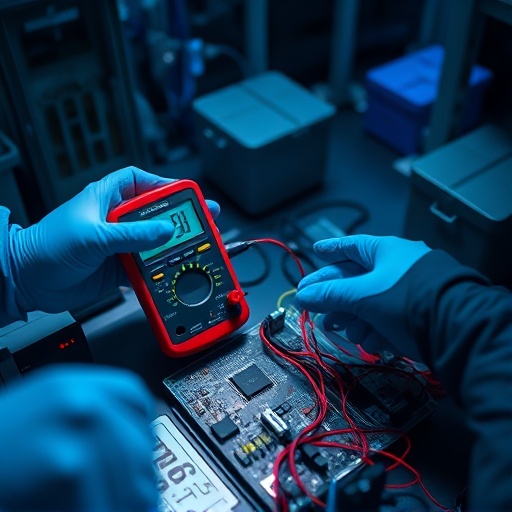
The market is saturated with low-grade electronics that look identical on the surface. However, beneath the plastic casing, cheap Tuya modules frequently buckle under the humidity of a standard warehouse. We have seen units arrive at Amazon fulfillment centers already dead on arrival. If your feeder jams or loses connectivity, you don’t just lose a sale; you lose a customer’s trust forever.
Engineering for Longevity: Avoiding the “3-Month Failure”
Building a brand that lasts requires an obsession with the “Golden Sample.” This is the benchmark unit that every subsequent product must match. Most industry failures boil down to one culprit: the dispensing mechanism. If the impeller gap is too tight, the motor burns out. If it is too wide, the food spills uncontrollably.
In our facility, we utilize a redesigned anti-jam infrared detection system. This isn’t just a marketing bullet point; it is a mechanical necessity. By fine-tuning the torque of our motors to handle varying kibble shapes, we’ve seen an 18%-28% improvement in dispensing reliability.
My contrarian take? Stop chasing the newest “revolutionary” features. A gravity feeder is a tool, not a smartphone. Customers prioritize reliability over gimmicks. If the feeder dispenses food every single time without fail, you have already won 90% of the battle. We moved to ESP32 chip architectures specifically because they offer superior stability over legacy hardware, drastically reducing the WiFi dropouts that plague cheaper alternatives.
Navigating the Supply Chain: From Design to FBA
Logistics is where most brands bleed money. You need a partner who understands the granular requirements of FBA—from drop-test compliance to precise carton labeling. We treat every pallet like it’s going to our own warehouse.
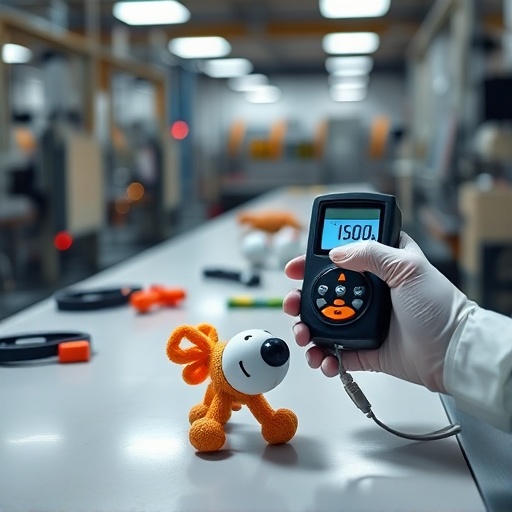
Our workflow is built to mitigate the “dead stock” trap. We perform rigorous aging tests before a single unit is boxed. By the time your product hits an Amazon facility, it has already survived the stressors of a simulated real-world environment. We bridge the gap between complex IoT pet ecosystem integration and the harsh realities of international shipping.
The Shift Toward ESG and Sustainable Manufacturing
The modern consumer is becoming increasingly savvy. They notice if you are shipping products in non-recyclable plastic or using questionable materials. ESG compliance is no longer optional for serious brands. We have transitioned our facility toward food-grade, BPA-free polymers and sustainable packaging solutions.
Aligning with a manufacturer that holds BSCI certifications protects your brand from the reputational risks associated with unethical labor practices. When you build with us, you are investing in a transparent supply chain. This is the only way to build a sustainable, long-term brand in a globalized economy.
The DDPark Advantage: Why Scale Matters
Why should you partner with DDPark? We have three generations of experience navigating the competitive landscape of the Pearl River Delta. We don’t just provide OEM/ODM customization; we provide the peace of mind that comes with ISO9001 standards.
Whether you are a startup requiring a smaller, flexible MOQ or a distributor looking to scale, our 10+ Years Manufacturing Expertise provides the infrastructure you need. We handle the technical heavy lifting—from app integration to structural engineering—so you can focus on building your brand’s voice.
Frequently Asked Questions
Q: What is the most common reason private label gravity feeders fail on Amazon?
A: Structural weaknesses in the dispensing mechanism and poor material quality are the primary culprits. Many feeders fail within 3 months because the internal components cannot withstand the constant pressure of kibble weight.
Q: How can I ensure my brand doesn’t end up with dead stock?
A: Prioritize the “golden sample approval” process. Testing a production-ready unit in real-world conditions mitigates the risk of mass-producing defective units.
Q: Why is the Pearl River Delta the best place for pet product manufacturing?
A: This region offers a mature supply chain, proximity to raw material sources, and world-class logistics infrastructure. DDPark leverages this ecosystem to maintain ISO9001 and BSCI standards.
Q: How do you solve food jamming in automatic feeders?
A: We resolve jams through redesigned anti-jam infrared detection, which monitors flow and triggers a corrective reverse motion if a clog is detected.
Q: What is the benefit of using ESP32 chips over standard modules?
A: ESP32 adoption significantly reduces WiFi dropout complaints compared to older budget modules, leading to a much more stable user experience for app-controlled feeders.
Work with DDPark
Build your brand on a foundation of 3 generations of expertise. We offer custom logo and packaging, in-house R&D engineering, stable Tuya connectivity, and aging test before shipment to ensure your success in the competitive pet market.