Sourcing Gravity Feeders for Kennels: A 2026 Strategic Guide
To successfully source a gravity feeder for a kennel operator in 2026, you must prioritize mechanical resilience over aesthetic gimmicks. The market has shifted from basic plastic hoppers to industrial-grade hardware that integrates seamlessly with facility management software. If you are looking to scale, focus your procurement on units with reinforced motor housings and non-porous, sanitizable materials, as these represent the baseline for professional-grade reliability.
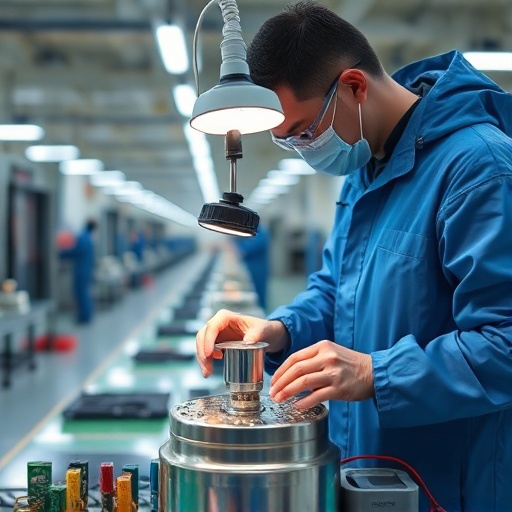
I remember walking the factory floor during a humid July afternoon in Shenzhen. The air was thick, and the rhythmic *thwack-thwack* of the injection molding machines provided a steady, hypnotic pulse. A technician stood at the end of the line, testing a batch of feeders. He didn’t just look at them; he listened. He picked up a unit, shook it, and frowned at a microscopic vibration. That one unit never made it to a pallet. That is the level of scrutiny required when you are sourcing hardware that will be abused by high-energy dogs and aggressive cleaning chemicals for eighteen hours a day.
### The Hidden Costs of “Budget” Procurement
Many operators fall into the trap of purchasing consumer-grade equipment for professional environments. This is a mistake. Professional boarding facilities operate under a different set of physics. A consumer feeder might handle two feedings a day; a kennel-grade unit handles dozens, often while being bumped, chewed, and splashed with disinfectant.
My contrarian view? Stop looking for the “smartest” feeder and start looking for the “dumbest” one that works perfectly every time. IoT features are impressive until the WiFi drops or the cloud server goes down during your busiest weekend. We advise clients to prioritize a manual fail-safe mechanism. If the tech fails, the kibble must still flow.
### Anatomy of a Reliable Feeder
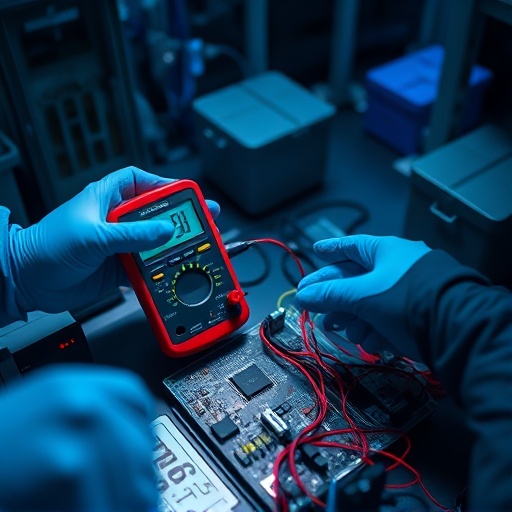
When evaluating a supplier, you need to dissect the unit—literally. The “heart” of the device is the PCB (Printed Circuit Board). We have seen too many operators lured by cheap, unsealed modules. In a kennel, moisture is the silent killer. A PCB without a conformal coating will corrode in less than six months.
Look for manufacturers who use dual-core processors. These chips handle background tasks without lagging, preventing the dreaded “jam” that occurs when a feeder loses its timing. If a supplier cannot tell you the specific brand of their motor winding or the ingress protection (IP) rating of their electronics, walk away.
### The DDPark Production Standard
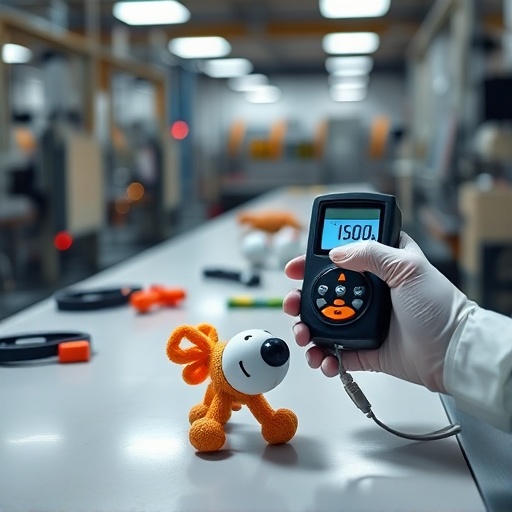
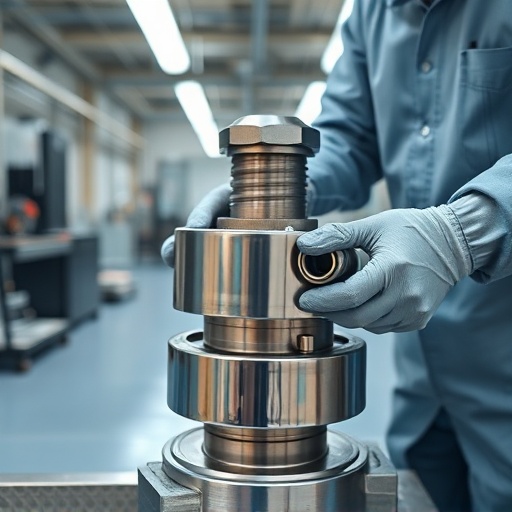
At DDPark, we operate on a simple premise: if it can break, it will. During our last production cycle, we encountered a flaw in the plastic molding of a food chute. It was subtle—a tiny burr that only appeared after 5,000 cycles. Most factories would have ignored it, but we scrapped the entire mold. We spent three weeks re-engineering the cooling channels to ensure that every single feeder leaving our facility met the stress-test requirements of a high-volume kennel.
You need to look at our DDPark 10+ Years Manufacturing Expertise to understand why we obsess over these details. Building for the pet industry isn’t just about plastic; it’s about the trust an operator places in your equipment to feed the animals in their care.
### Procurement Checklist for 2026
When vetting your next supplier, use this list as your primary filter:
1. **Chemical Resistance:** Does the plastic yellow or crack when exposed to quaternary ammonium kennel cleaners?
2. **Motor Torque:** Can the motor clear a jammed piece of kibble without burning out the internal winding?
3. **Food-Grade Certification:** Demand proof of BPA-free, food-grade testing reports.
4. **Serviceability:** Can your maintenance staff swap out a hopper or a tray in under two minutes without proprietary tools?
5. **Firmware Stability:** Ask for the OTA (Over-the-Air) update history. A device that never receives updates is a security risk.
If you are expanding your footprint, you can Explore DDPark Smart Pet Product Catalog to see our latest fleet of professional-grade feeders. We don’t just sell hardware; we provide the peace of mind that comes with knowing your equipment won’t fail at 2:00 AM on a Sunday.
For those ready to move past generic Alibaba listings and secure a reliable, long-term supply chain, Request a Free OEM Quote from DDPark today. We handle everything from custom branding to full-scale technical integration, ensuring your operation remains the standard-bearer in your local market.
Frequently Asked Questions
What is the most common point of failure in kennel-grade gravity feeders?
The most common failure points are low-quality motor windings that overheat under high-frequency usage and unsealed PCBs that corrode in the humid, chemical-heavy air of a professional kennel.
Why do kennel operators prefer industrial-grade smart feeders over consumer models?
Industrial-grade units feature superior anti-jam detection and are built with materials that withstand aggressive daily sanitization, which prevents the high rework ratios common with cheaper, fragile consumer electronics.
How does DDPark ensure their products are ready for Amazon FBA?
We manage all CE/FCC/RoHS certifications and provide specialized, durable packaging that meets Amazon’s strict FBA requirements, ensuring your stock is ready for immediate listing upon arrival.
Work with DDPark
We provide custom logo and packaging, food-grade BPA-free materials, rigorous aging tests before shipment, and all products are CE FCC RoHS certified.
Ready to Start Your OEM Order?
Contact our B2B team today for pricing, MOQ, and custom branding options.