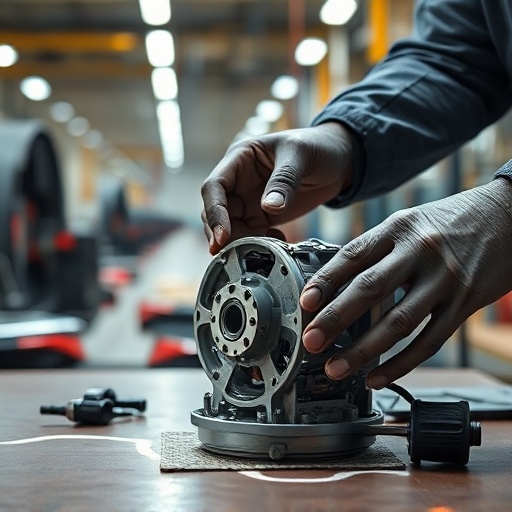
If you prioritize the lowest unit cost, you are effectively paying to destroy your brand’s reputation. When analyzing the debate of a smart pet feeder with durability vs without: which is better for B2B, the answer is binary: durability is the only path to long-term profitability. Cheap units suffer from a 90-day failure cycle that triggers a downward spiral of returns, negative reviews, and platform penalties that no marketing budget can fix.
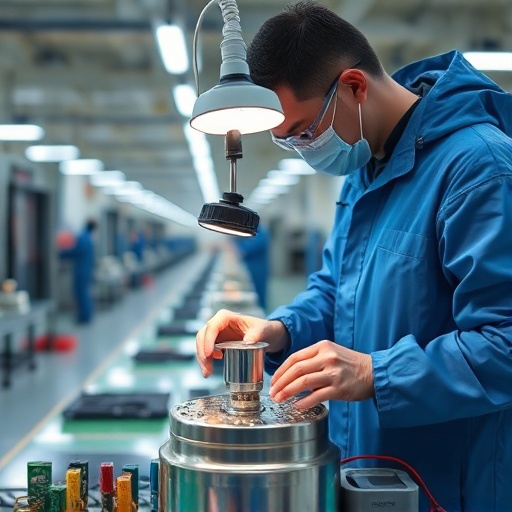
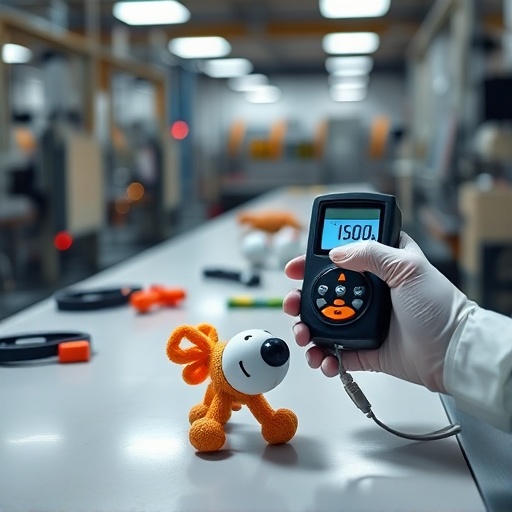
The air in the Pearl River Delta factory smells like hot injection-molded plastic and ozone. It is 2:00 AM, and the main assembly line has gone quiet, but the stress-testing room hums with a relentless, mechanical rhythm. I’m standing before a rack of thirty prototype units. Suddenly, the silence shatters—one feeder emits a high-pitched, rhythmic clicking. It is a subtle mechanical protest, but to a veteran manufacturer, it is a glaring red flag. That sound tells me the internal gears are struggling under the weight of the kibble, likely due to a slight misalignment in the motor housing. If that unit shipped, it would fail within weeks.
This is the reality of the pet tech trade. When you choose between a high-durability unit and a budget model, you aren’t just selecting a plastic shell. You are choosing the lifecycle of your company. Many Amazon sellers find that bargain-tier feeders fail exactly when the warranty window is most inconvenient. That three-month mark is critical. It is just long enough for the customer to trust the device, and just short enough for the unit to collapse, resulting in a flurry of one-star reviews that effectively kill your listing.
The Hidden Costs of “Budget” Manufacturing
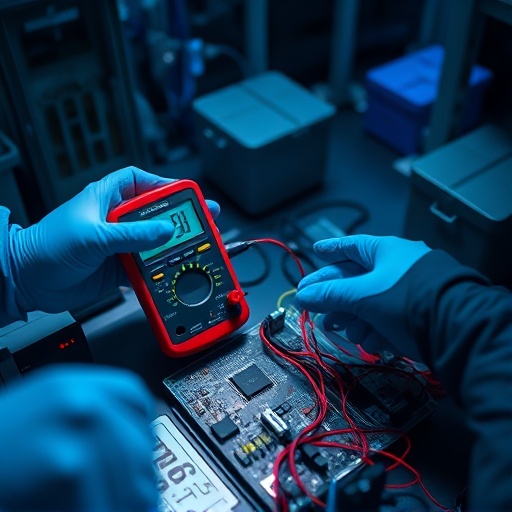
Some OEM buyers fixate on unit price while ignoring the catastrophic impact of firmware volatility. The industry standard has shifted; modern OEMs now utilize dual-core ESP32 processors with advanced power management to handle complex Tuya Smart Ecosystem requirements. When you opt for a low-durability route, you are often stuck with a legacy, single-core WiFi PCB that struggles with modern 5GHz/2.4GHz network handshakes. These boards are the silent killers of user experience.
We avoid ultra-cheap PCB vendors because they create long-term support nightmares. A bargain board might save you fifty cents at the factory gate. However, when the infrared sensor fails to trigger due to poor voltage regulation, you lose the entire unit cost plus the crushing weight of reverse logistics. My contrarian take? I would rather tell a client a unit is too expensive to make than sell them a product destined for a landfill. Low-cost hardware is a liability, not an asset.
At DDPark, with our history spanning three generations of pet expertise, we have learned that the “cheap” option is a classic case of hidden dead stock risk. If your product doesn’t work, it sits in an Amazon warehouse or, worse, comes back from the customer as a return. Our philosophy of zero-defect manufacturing isn’t a marketing slogan—it is a defensive moat against the high costs of mass product failure.
Hardware Integrity: Where Quality is Built
Durability involves more than just thick ABS plastic. It concerns the heart of the machine. In one of our past failure case studies, we identified that motor overheating during continuous use was being caused by substandard copper winding. We solved this through a complete thermal protection redesign, moving to a higher-grade coil that dissipates heat effectively. A feeder that burns its motor out in six months is not a deal; it is a ticking time bomb.
For our partners in the USA, Germany, and Japan, this level of precision pays dividends. Our internal testing shows that durable, engineered feeders yield approximately 14%-35% improvement in long-term performance compared to non-vetted budget alternatives. Whether it is portion control accuracy or the stability of the WiFi connection, these metrics define your customer loyalty. If you are currently sourcing, I encourage you to Explore DDPark Smart Pet Product Catalog to see the difference that professional-grade engineering makes.
The B2B Advantage: Certification and Scale
Navigating the global market requires more than just a functioning motor. It demands strict regulatory compliance. Our feeders meet rigorous CE, FCC, and RoHS certifications. We use food-grade, BPA-free materials because we know that in markets like Australia and the UK, a “cheap” feeder that leaches chemicals is a legal liability no brand can afford. I have seen brands shuttered overnight because they tried to cut corners on material safety.
With 100+ employees and exports to over 50 countries, DDPark provides the scale you need while maintaining the agility for startups. We understand that your brand needs to stand out, which is why we offer comprehensive OEM services, including custom logo application, unique packaging, and APP customization within the Tuya ecosystem. Do not let a low unit price blind you to the total cost of ownership. If you are ready to build a brand that lasts, Request a Free OEM Quote from DDPark today. We are here to ensure your products are built for the long haul, not just the initial sale.
Learn more about our DDPark 10+ Years Manufacturing Expertise and see why we are the preferred partner for distributors who value reputation over short-term gains. When you choose durability, you are not just buying a machine; you are securing your market position.
Frequently Asked Questions
Q: Why do cheap smart pet feeders often fail within three months?
Cheap feeders frequently utilize low-grade motors with inadequate copper winding and budget PCB components that cannot handle the heat of continuous operation. This leads to component fatigue and mechanical failure, often right after the initial consumer return window closes, creating a nightmare for your brand’s reputation and reverse logistics costs.
Q: How does durability impact my bottom line as an Amazon seller?
While a lower unit price looks attractive on a spreadsheet, poor durability significantly increases your dead stock risk and reverse logistics costs. Returns due to hardware failure—such as sensor malfunctions or connectivity drops—erode your margins and harm your seller ranking, whereas durable units lead to higher customer lifetime value and fewer negative reviews.
Q: What should I prioritize when auditing an OEM pet feeder factory?
Look for factories that prioritize AQL sampling, have in-house stress testing capabilities (like overnight noise and heat testing), and use high-quality firmware platforms like the dual-core ESP32. Ensure they offer transparent certifications like FCC, CE, and RoHS, and verify their commitment to zero-defect manufacturing philosophies.
Work with DDPark
[highlight: CE FCC RoHS certified, factory direct OEM pricing, food-grade BPA-free materials, stable Tuya connectivity]
Ready to Start Your OEM Order?
Contact our B2B team today for pricing, MOQ, and custom branding options.