How to Negotiate MOQ for Self-Cleaning Litter Box Startups
Ever wonder why your inbox is flooded with “no” from top-tier factories when you mention your startup’s initial volume? The secret to securing a manageable Minimum Order Quantity (MOQ) for a self-cleaning litter box isn’t found in a high-pressure sales pitch. It’s found in understanding how to negotiate MOQ for a self-cleaning litter box for a pet brand startup by positioning yourself as a long-term strategic asset rather than a one-time buyer. To bypass the dreaded 5,000-unit wall, you must stop talking like a buyer and start talking like a manufacturing partner.
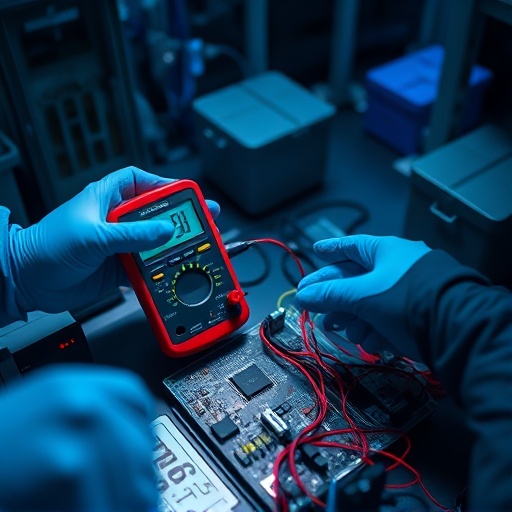
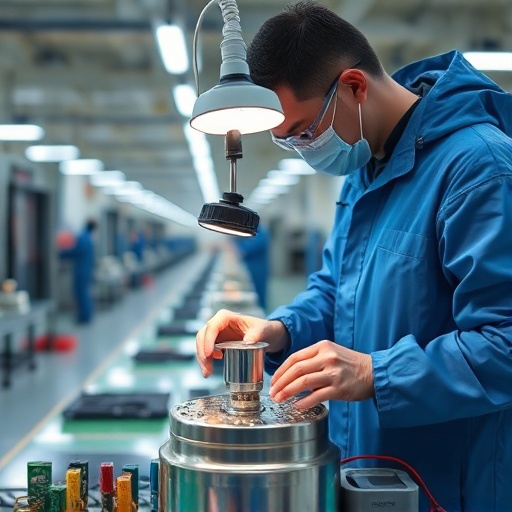
I’ve spent 12 years walking the factory floors of the Pearl River Delta. I know the rhythm of the assembly line—the hum of the injection molding machines, the sharp scent of ozone from the PCB soldering stations, and the frantic pace of the packing lines. When you walk these floors, you realize that factories don’t actually hate startups. They hate inefficiency. If you show up with a plan that minimizes their downtime, they will move mountains to accommodate your smaller, initial batches.
The Sensory Reality of the Factory Floor
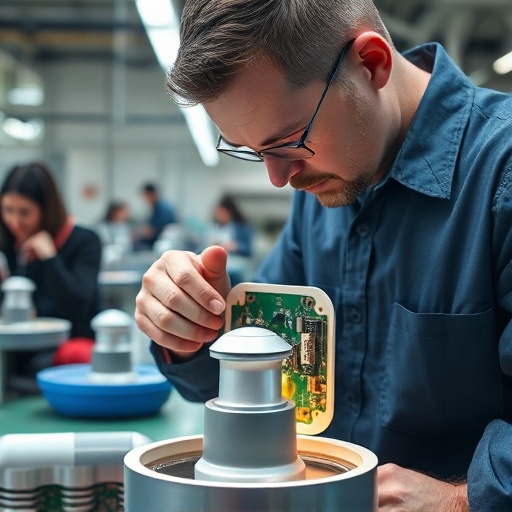
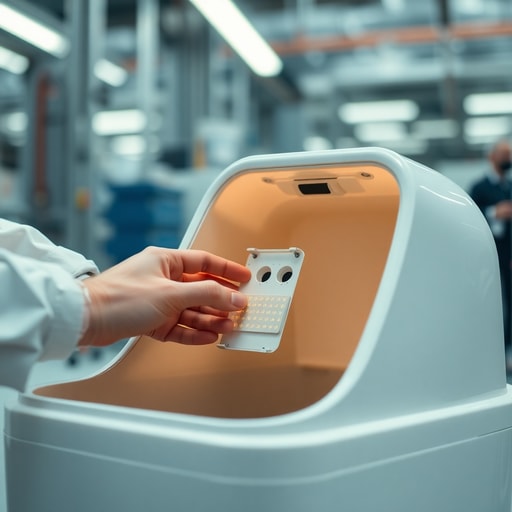
Step into our facility in Guangdong and you’ll feel the difference. It isn’t just about output; it’s about the precision of the mechanical arm placing a motor housing or the meticulous testing of a weight sensor. When I watch our team calibrate the rotating drums of a new litter box design, I’m looking for the “click”—that faint, rhythmic sound that tells me the alignment is perfect. If the assembly is off by a millimeter, the motor works twice as hard, the battery drains faster, and your customer gets a noisy, faulty unit.
Most startups fail because they push for the lowest unit price, forcing the factory to cut corners on these very sensory details. A factory forced to slash margins will swap out premium ball bearings for cheaper alternatives. They will use plastic that turns brittle under UV light. You think you’re winning the negotiation, but you’re actually buying a ticking time bomb of customer returns. My contrarian take? Pay a premium for the first 500 units. It secures you a seat at the table and forces the factory to treat your small order with the same care they give their million-unit clients.
Strategic Negotiation: The “Partner” Approach
How do you actually lower that MOQ? You start by removing the friction that makes small orders expensive for a manufacturer. Here is the playbook I’ve seen work for successful brands:
* **Standardize to Customize:** Don’t demand a bespoke shape for your first run. Use the factory’s proven, high-performing chassis and limit your customization to the UI, the outer shell finish, and the packaging. This allows the factory to keep their machines running without expensive re-tooling.
* **The Platform Play:** Lean into existing ecosystems like Tuya. When you leverage pre-certified, stable firmware, you eliminate the factory’s R&D headache. They don’t have to assign their best software engineers to your brand for three months. That makes you a “plug-and-play” client, which is significantly more attractive than a high-maintenance one.
* **Forecast Transparency:** Share your 12-month marketing roadmap. If you can prove you have a dedicated budget for customer acquisition and a clear path to selling 500 units a month, the factory sees a growth trajectory. They aren’t just selling you a product; they are investing in your brand’s future volume.
Why Reliability Trumps Unit Cost
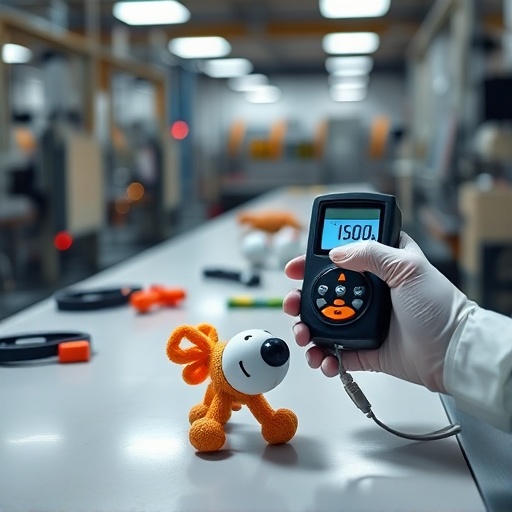
I have seen countless founders get seduced by a low quote from a factory that has never built a complex smart device. They look at the unit price on a spreadsheet and ignore the “hidden” costs of failure. If your litter box’s infrared sensor fails, the unit stops cycling. The customer gets angry, the review score drops, and your brand is effectively dead before it hits its second quarter.
At DDPark, we operate on a “Zero-Defect” philosophy. We don’t just ship boxes; we ship reliability. When you negotiate, ask the factory about their rework ratio. If they can’t show you data on how they handle firmware updates or moisture-proofing for electronic components, walk away. You are building a reputation, not just a gadget. If you want to see what high-precision manufacturing looks like, Request a Free OEM Quote from DDPark to compare our technical standards against the budget alternatives you’re currently vetting.
Certifications as Your Leverage
Compliance is the ultimate professional filter. If you are targeting the US or European markets, you need FCC, CE, and RoHS certifications. A factory that already has these for their existing litter box lines is a gold mine. By using their existing compliance paperwork, you save thousands in testing fees. This is a massive bargaining chip. You are essentially asking them to allow you to “piggyback” on their hard-earned regulatory wins.
I’ve spent over a decade ensuring our DDPark 10+ Years Manufacturing Expertise remains current, from Japan’s strict standards to the evolving requirements in Australia. When you negotiate, bring this up. Tell them, “I want to leverage your existing certifications to hit the market faster.” It shows you are an informed professional, not a hobbyist.
Ready to Start Your OEM Order?
Contact our B2B team today for pricing, MOQ, and custom branding options.
The Long-Term View
Negotiation is a dance of interests. You want low MOQs and high quality; they want high volume and operational stability. By choosing to work with a partner who understands the nuance of pet tech—from the sensitivity of waste detection algorithms to the durability of the motor housing—you align your goals. Don’t look for the cheapest partner. Look for the partner who will be there when you need to scale from 500 units to 50,000. That is how you build a pet brand that doesn’t just survive the startup phase but dominates the shelf.
Frequently Asked Questions
Q: What is a reasonable MOQ for a pet startup?
A: While traditional factories demand thousands, DDPark offers flexible MOQs designed to help startups launch without the crushing burden of excessive inventory.
Q: How do I ensure quality when negotiating lower MOQs?
A: Focus on “Zero-Defect” manufacturing partnerships that prioritize rigorous stress testing, firmware support, and component transparency over simple unit price.
Q: Why does firmware matter more than just the hardware?
A: Poor firmware leads to connectivity drops and app crashes, which destroy brand reputation. Investing in stable platforms like Tuya ensures long-term customer satisfaction.
Work with DDPark
Experience our [highlight: low-noise motor system, CE FCC RoHS certified, matter protocol ready, stable Tuya connectivity] for your next product line.