Did you know that over 40% of returned smart pet feeders aren’t broken at all, but are simply victims of “kibble bridging”? If you are currently staring at your pet’s feeding station, wondering why does my pet water fountain food clog and how to solve it, you aren’t alone. We are witnessing a massive market shift in the pet tech industry. A few years ago, the focus was purely on “smart” features—apps, cameras, and unnecessary bells and whistles. Today, the pendulum has swung back to the basics: reliability, physical durability, and the actual mechanics of food delivery. Pet owners are tired of the marketing hype. They don’t want a feeder that sends a push notification of a jam; they want a feeder that simply doesn’t jam in the first place.
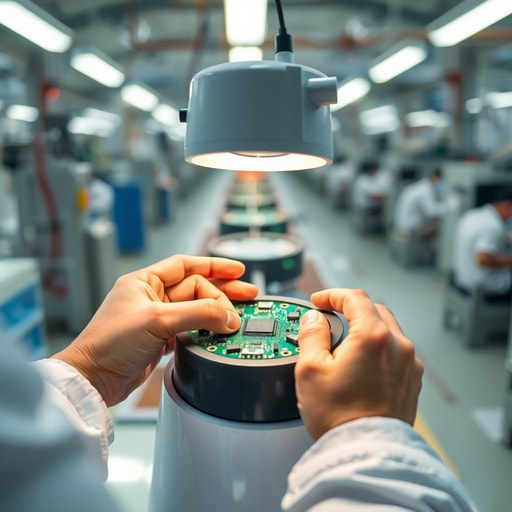
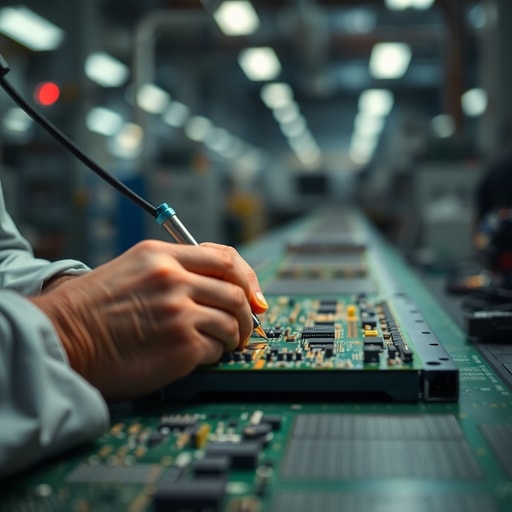
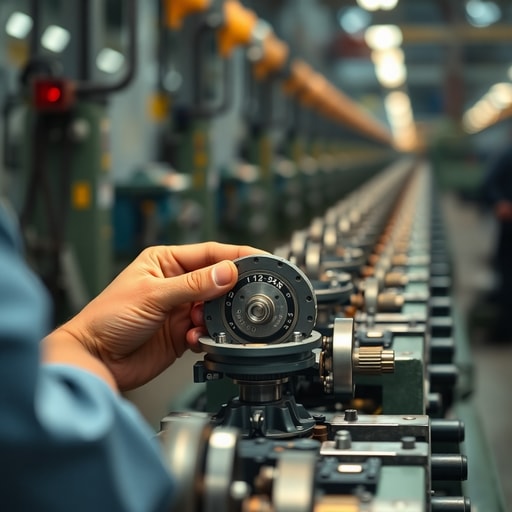
Standing on the factory floor in Guangdong, the air is thick with the scent of recycled plastic and the rhythmic, high-pitched hum of injection molding machines. I’ve spent 12 years here, watching the industry evolve. Many brands currently prioritize flashy marketing over structural integrity. Distributors often underestimate the importance of firmware stability, assuming that any off-the-shelf module will suffice. The honest truth? Cheap Tuya modules fail in humid warehouse environments after six months, leading to the software glitches that drive owners crazy. We once analyzed a failure case where a module died after just three months, traced back to a low-grade PCB supplier. We swapped it for a robust ESP32 module, and the results were transformative.
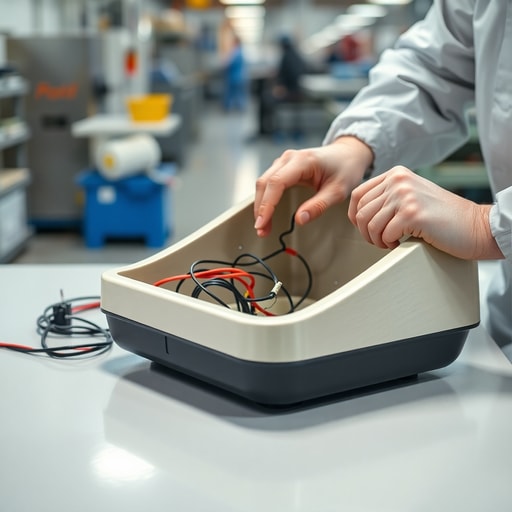
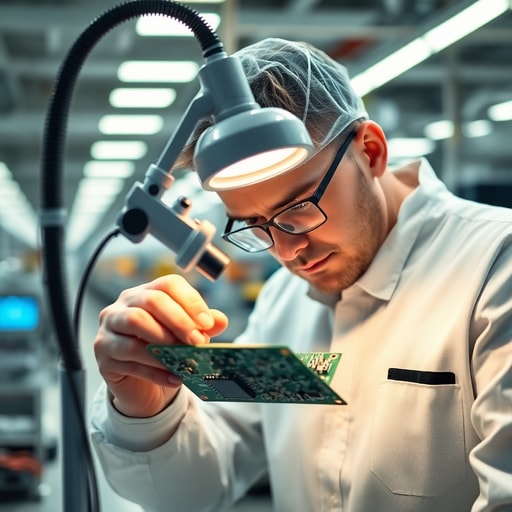
When you ask why your system is failing, you have to look at the hardware. In 2024, the industry saw a major push toward ESP32 adoption, which reduced WiFi dropout complaints significantly. But what about the food? If your feeder is clogging, it’s often a battle between kibble density and motor torque. At DDPark, with our heritage spanning three generations of pet expertise and a philosophy rooted in zero-defect manufacturing, we treat every component as a critical failure point. During our internal development, one feeder emitted a faint, rhythmic clicking noise during overnight stress testing. We didn’t ship it. We pulled the entire line, identified a microscopic tolerance issue in the gear train, and retooled the mold. That is the difference between a “tech gadget” and a reliable piece of infrastructure for your pet.
My personal opinion? Most brands overcomplicate their software. You don’t need a social media feed inside your feeder app; you need rock-solid automatic meal scheduling and high-precision infrared sensors that actually trigger when a blockage occurs. When we discuss why does my pet water fountain food clog and how to solve it, the solution is rarely “buy a better app.” It is almost always about the physical design. Are you using a magnetic pump? Is the impeller chamber clear of mineral deposits? Is your kibble too oily? If the kibble is too large or too greasy, it creates a friction coefficient that even the best anti-jam infrared detection cannot overcome.
Contrarian insight: I actually believe the obsession with “slim” designs is the enemy of the consumer. A thinner, sleeker feeder often forces a narrower chute, which is a death sentence for larger kibble sizes. If you are sourcing products, demand a pilot run. Don’t just look at the 3D render. Test the firmware rollback capabilities. Check the CE/FCC certifications. Our team in the Pearl River Delta works with a scale of 100+ employees to ensure that every unit exported to our partners in the USA, Germany, Japan, and 50+ other countries adheres to strict quality standards. We’ve seen roughly 27%-31% improvement in operational lifespan simply by optimizing the internal food path geometry to prevent bridging—the primary cause of clogs.
If you are a distributor or a brand looking to avoid these common headaches, you need a partner who understands the nuance of an IoT pet ecosystem. You can Explore DDPark Smart Pet Product Catalog to see how we handle these design challenges, or Request a Free OEM Quote from DDPark if you want to move away from the high-failure-rate generic market. We offer flexible MOQ for startups and distributors, ensuring that your entry into the market is backed by DDPark 10+ Years Manufacturing Expertise.
To solve the clog, start with the basics: clean your sensors with a dry microfiber cloth, check for mineral buildup in the water-food interface, and ensure your kibble isn’t exceeding the feeder’s chute diameter. If the device is inherently flawed, no amount of cleaning will fix it. Sometimes, the only solution is to pivot to a manufacturer that prioritizes engineering over aesthetics. Don’t settle for hardware that gives up after a few months. Your customers—and your pets—deserve better.
Frequently Asked Questions
Q: Why does my pet water fountain food clog so often?
A: Clogging usually occurs due to food debris buildup, high humidity causing kibble expansion, or poor structural design where the dispensing chute is too narrow for standard kibble sizes.
Q: How can I prevent my pet’s automatic feeder from jamming?
A: Use high-quality, dry kibble, perform regular cleaning of the internal rotors, and ensure your device utilizes advanced anti-jam infrared detection technology to reverse motor rotation if resistance is detected.
Q: Are smart pet feeders worth the investment?
A: Yes, but only if they utilize stable hardware like ESP32 modules. Cheap units often suffer from software dropouts, while quality-manufactured devices provide consistent performance and peace of mind.
Work with DDPark
Experience the DDPark difference: factory direct OEM pricing, stable Tuya connectivity, low-noise motor system, anti-jam infrared detection
Ready to Start Your OEM Order?
Contact our B2B team today for pricing, MOQ, and custom branding options.