Most startup founders believe that requesting a product sample is a simple transaction: you pay a fee, they ship a box, and you hope it works. This is the biggest misconception in the industry. Knowing how to request sample interactive pet toy for pet brand startup success requires a complete shift in mindset from “consumer” to “technical auditor.” If you are treating your sample request as a shopping trip, you are already behind the competition. The goal is not to see if the toy looks good; it is to stress-test the internal architecture before you commit your capital to a production run.
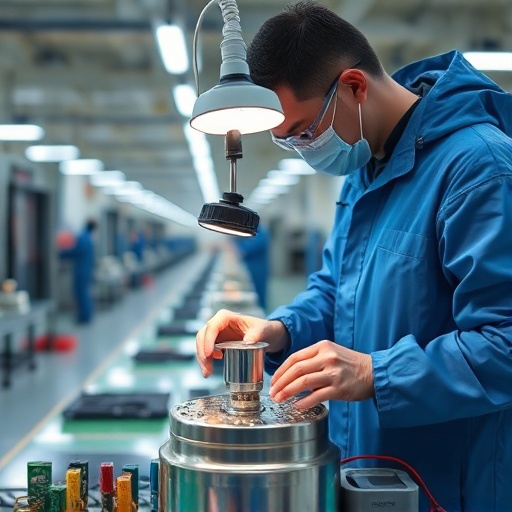
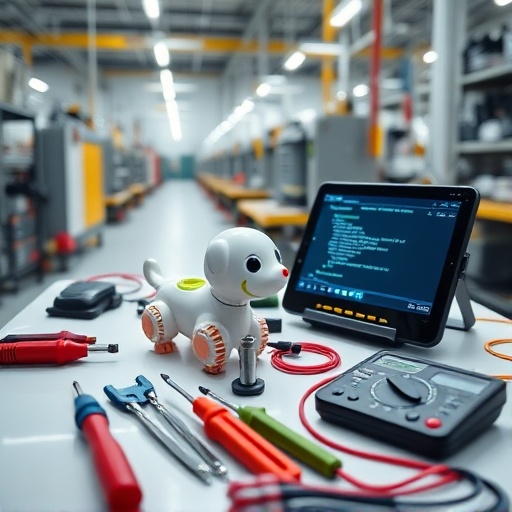
Walking through our factory floor in the Pearl River Delta, the air carries the faint, sharp scent of injection molding and the rhythmic hum of automated assembly lines. It is an environment of absolute precision. When I watch our team testing interactive laser toys, I don’t see plastic; I see the intersection of motor torque, battery discharge rates, and firmware latency. You cannot experience that through a screen. When you reach out to a manufacturer, your inquiry must signal that you are a serious partner who understands that the “magic” of pet tech happens under the hood.
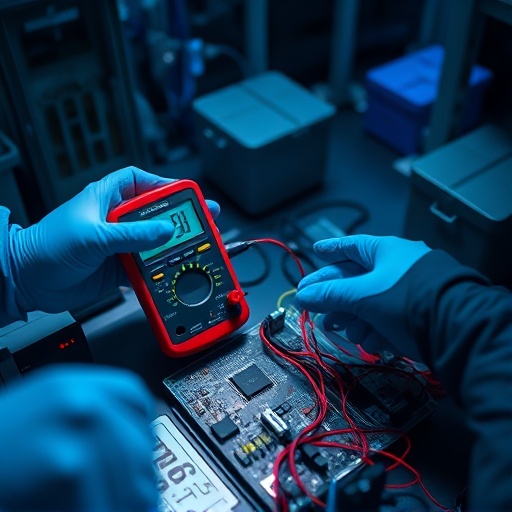
My personal opinion? Most startups fail because they fall in love with the exterior design while ignoring the PCB layout. I have seen countless founders get seduced by a sleek, minimalist aesthetic only to find that the WiFi antenna is buried behind a metal chassis, resulting in constant connection drops. When you submit your request, stop asking for “the latest model.” Instead, ask for a sample that comes with the full technical spec sheet, including the specific MCU (Microcontroller Unit) and the Bluetooth/WiFi module version. If a factory hesitates to share these details, walk away. Transparency is your greatest filter.
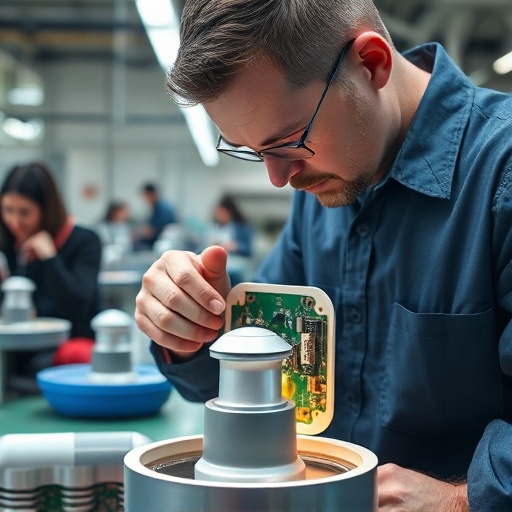
Let’s talk about the sensory experience of a quality sample. When you unbox your unit, it shouldn’t feel like a cheap souvenir. Pick it up. Does the battery compartment lock with a reassuring click, or does it wobble? Does the motor sound like a smooth, low-frequency hum, or is there a high-pitched whine that would drive a cat—and its owner—insane? These details are the difference between a five-star Amazon rating and a return-riddled nightmare. I’ve personally pulled units off our line because the gear noise was 2 decibels higher than our internal standard. That is the level of obsession you need to demand from your supplier.
You need to ask for more than just the hardware. Request a sample that has been flashed with your target region’s firmware requirements. If you are launching in the US, the connectivity protocols differ from those in the EU. A smart toy that works perfectly in a testing lab in Shenzhen might fail to handshake with a modern 5GHz-heavy home network in Berlin. Ask your contact specifically how they manage OTA updates. If they don’t have a robust cloud-based system to push firmware patches, you are buying a product that will be obsolete the moment a new smartphone OS update rolls out.
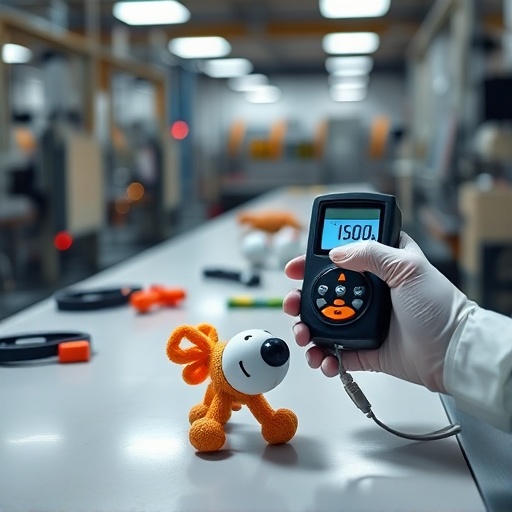
One contrarian insight I’ve developed over the years: don’t test the sample by playing with it yourself. Give it to a destructive, high-energy pet. If you are sourcing an interactive ball or a motion-activated toy, the “lab” environment is useless. Real-world testing involves slobber, impact against hardwood floors, and the chaotic movement patterns of a bored dog. A sample that survives a week of real-world abuse in a test household is worth ten that pass an automated machine test in a sterile factory room. If the manufacturer refuses to provide a “beta” sample for this kind of testing, they aren’t confident in their own durability standards.
When you are ready to move forward, documentation is your final hurdle. You aren’t just buying a toy; you are buying a liability. Ensure your sample request includes a request for the manufacturer’s IQC (Incoming Quality Control) documentation. Are the plastics BPA-free? Is the adhesive food-grade? Can they provide the CE, FCC, and RoHS certificates for the specific components used in your unit? At DDPark, we maintain these records as standard, but you would be shocked at how many “factories” operate without a single verified safety certificate. Never scale a brand on the back of unverified electronics.
The journey from startup to established brand is paved with difficult choices. You can Request a Free OEM Quote from DDPark to see how our engineering team handles these complexities. We pride ourselves on the fact that we don’t just ship units; we build resilient systems. Whether you need to customize the APP interface or integrate with existing smart home ecosystems, we have the technical backbone to support your growth. You can also Explore DDPark Smart Pet Product Catalog to see the breadth of our offerings, from AI-driven cameras to automated feeders.
Your sample request is the first handshake in what should be a multi-year partnership. Be the founder who asks about firmware update cycles, thermal management, and PCB sourcing. Be the founder who cares about the gear geometry. When you treat the sourcing process with the gravity it deserves, you stop being a “startup” and start being a legitimate player in the pet tech ecosystem. Build for quality, verify the internals, and let the product speak for itself.
Frequently Asked Questions
Q: How many samples should a startup request initially?
A: Aim for at least three units. Use one for internal technical teardowns, one for rigorous real-world pet testing, and keep one as a “golden sample” to verify against future production batches.
Q: Why is firmware stability more important than unit price?
A: A cheap unit price is irrelevant if the product receives one-star reviews for connectivity issues. Stable firmware is the backbone of your brand’s reputation and minimizes costly customer support overhead.
Q: Does DDPark support small startups with flexible MOQs?
A: Yes, we specialize in helping startups navigate the transition from initial validation to full-scale production. We offer flexible MOQs to ensure you can prove your concept without overextending your inventory budget.
Work with DDPark
Our commitment to excellence includes [highlight: food-grade BPA-free materials, anti-jam infrared detection, low MOQ support, aging test before shipment]
Ready to Start Your OEM Order?
Contact our B2B team today for pricing, MOQ, and custom branding options.