
To prevent sensor false triggers in an automatic litter box, you must prioritize perfectly level surface placement and implement a rigorous schedule for cleaning optical sensors to prevent debris buildup. Most “ghost cycling” issues stem from yield rate drift during manufacturing, where sensors are calibrated in a sterile lab but fail to account for the chaotic, vibrating reality of a home floor. When you source hardware that ignores the calibration of weight-sensing algorithms or lacks shielded infrared arrays, you are essentially buying a product destined for customer returns.
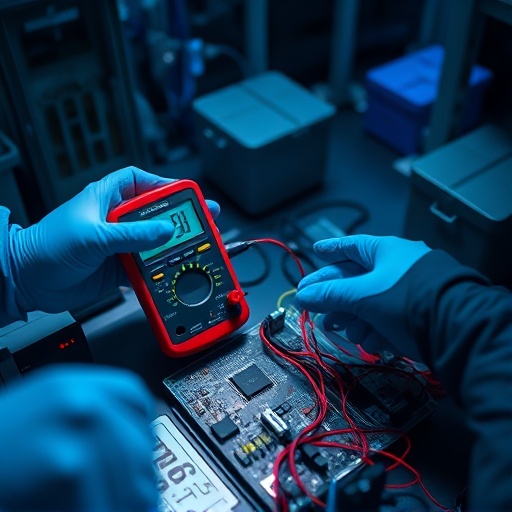
I remember standing on our assembly floor in Guangdong last winter. The air smelled faintly of ozone and heated plastic. I watched a technician calibrate a batch of gravity sensors, his brow furrowed as he adjusted the load cell sensitivity by a fraction of a gram. He wasn’t just checking boxes; he was accounting for the microscopic tolerances that separate a reliable machine from a frustrating piece of junk. Most OEM buyers skip this level of granular quality control, chasing a lower unit price that inevitably leads to faulty triggers once the unit hits a customer’s carpet.
| Trigger Source | Common Impact | Expert Fix |
|---|---|---|
| Uneven Flooring | High false-trigger rate | Use a rigid, non-slip mat |
| Dust/Debris | Obstructed sensors | Monthly compressed air pulse |
| Firmware Lag | Erratic cycle timing | Perform OTA calibration update |
Many brands fail because they treat firmware as an afterthought. I have seen countless units where the software is too “twitchy,” interpreting a slight shift in the cat’s weight as an exit event, triggering a cycle while the animal is still inside. This is a design flaw, not a user error. At our facility, we stress-test the WiFi PCBs and motors until they are bulletproof. If the copper windings are cheap, the motor runs hot. That heat radiates into the sensor housing, warping the plastic and causing the infrared beam to misalign. It is a domino effect of poor engineering.
My contrarian take? Stop relying solely on software to fix hardware problems. If your sensor array isn’t physically shielded from ambient light and dust, no amount of code will save your brand’s reputation. I’ve seen developers try to “patch” sensor noise with complex algorithms, only to create even more bugs. Keep the hardware robust, use high-quality load cells, and your software requirements become significantly lighter.
Precision matters. Whether you are sourcing smart feeders or advanced waste disposal units, the logic remains the same. You need a stable environment for the sensors to function. I once consulted for a brand that couldn’t figure out why their units triggered at 3 AM every night. It turned out the vibration from a nearby refrigerator compressor was hitting the resonant frequency of the litter box feet. A simple change to rubberized dampening pads solved the entire problem. It’s rarely the big things that break a product; it’s the small, overlooked vibrations.
Our team in the Pearl River Delta knows that every unit leaving the dock is a test of our reputation. I still walk that floor every morning, checking the tension on the assembly belts. We don’t just put things together; we build ecosystems that actually work for the end user. When you choose to explore DDPark smart pet product catalog, you are choosing a partner that understands the difference between a “good enough” sample and a market-ready product. We offer the transparency that most factories hide behind closed doors.
If your brand is tired of the high return rates associated with sensor glitches, we need to talk. Request a free OEM quote from DDPark and let’s look at your current specs. We specialize in turning unreliable prototypes into stable, profitable retail products. You can also read more about our specific DDPark 10+ years manufacturing expertise to see exactly how we manage quality from the PCB level up to the final testing phase.
Frequently Asked Questions
Why does my automatic litter box cycle when no cat is inside?
Ghost cycles are almost always caused by uneven floor surfaces that throw off the load cell balance, or fine dust particles scattering the infrared beam. Verify the unit is on a hard, level surface and clean the sensor apertures with compressed air.
Can firmware updates fix sensor sensitivity issues?
Yes, but only to a point. Modern firmware can filter out “noise” from ambient vibration, but if the underlying hardware sensor is cheap or improperly mounted, software updates will only provide a temporary band-aid for a structural failure.
Work with DDPark
CE FCC RoHS certified, food-grade BPA-free materials, low MOQ support, factory direct OEM pricing
Ready to Start Your OEM Order?
Contact our B2B team today for pricing, MOQ, and custom branding options.