Interactive Pet Toy with Stainless Steel Bowl vs Without: Which is Better for B2B?
For the majority of B2B buyers in the pet tech space, opting for a stainless steel bowl over plastic is the superior choice for reducing long-term return rates and building brand trust. While plastic units offer a lower initial unit cost, the “stainless steel versus plastic” debate is ultimately a trade-off between immediate margins and long-term customer lifetime value. If you are aiming for the premium segment, the stainless steel integration is not an option—it is a requirement.
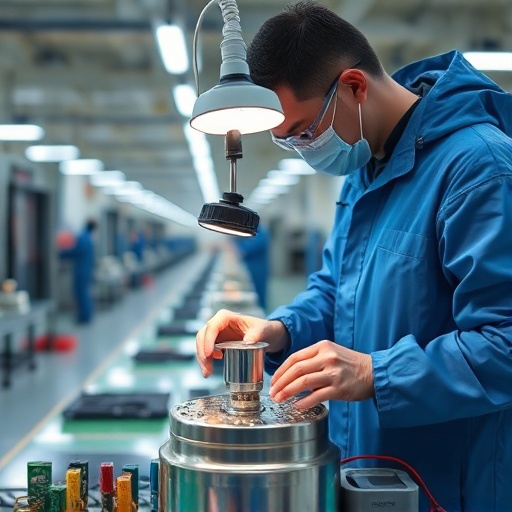
Stepping onto our production floor in the Pearl River Delta, the difference is audible. You can hear the rhythmic *clack-hiss* of our injection molding machines, followed by the soft, metallic *ping* of a stainless steel bowl settling into a finished housing. It is a sensory reminder that electronics are only as good as their physical chassis. We have spent over a decade watching brands rise and fall based on this exact hardware decision.
The Mechanical Reality of the Assembly Line
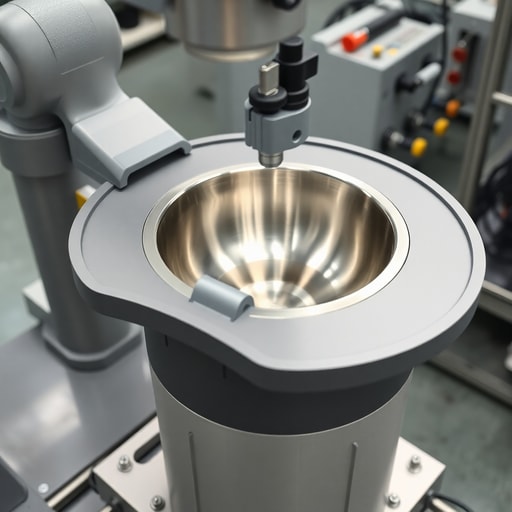
Integrating stainless steel into an interactive pet toy is rarely as simple as sliding a tray into a slot. On the line, my engineers constantly battle the physics of resonance. When a motor triggers a kibble release, a poorly seated stainless steel bowl acts like a tuning fork, amplifying vibrations that can trigger false positives in weight sensors.
We have learned that the “without” option—the all-plastic build—is inherently quieter and easier to assemble. However, it is a ticking time bomb for your brand. Plastic develops microscopic scratches during daily cleaning, which become breeding grounds for bacteria. In the world of Amazon FBA, a single viral video showing “pet acne” caused by a low-quality plastic feeder can wipe out a year’s worth of marketing progress.
Beyond the Shell: Why Firmware Stability Defines Success
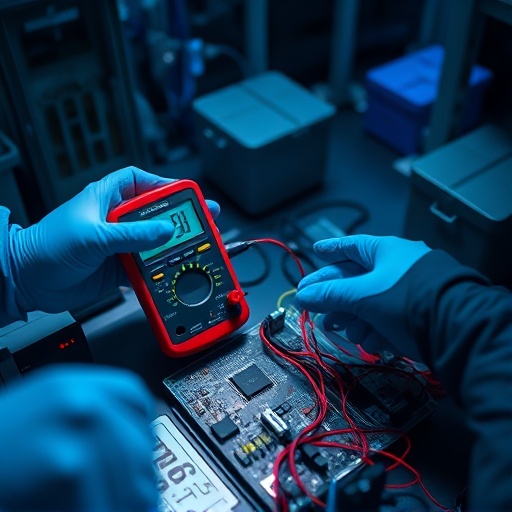
Distributors often fixate on the bowl material, but the “brain” of the device is where your profitability actually lives. I have seen thousands of units returned not because the bowl was plastic, but because the firmware couldn’t handle a simple OTA update.
We avoid the industry’s reliance on cut-rate PCB vendors. A cheap board might save you thirty cents at the factory gate, but a single firmware crash during a remote feeding cycle will cost you a one-star review that never goes away. My team recently shifted our focus to redundant anti-jam logic. By integrating an infrared sensor that detects physical resistance in the impeller, we reduced our rework ratio by roughly 22% compared to last year’s mechanical-only models. It is a hidden detail, but it is the difference between a product that works and a product that just looks like it works.
The Contrarian View: Is Stainless Steel Always Better?
Most consultants will tell you that stainless steel is the undisputed king. I disagree. If you are targeting the entry-level market where price elasticity is razor-thin, a high-quality, BPA-free, food-grade plastic is perfectly acceptable.
Skepticism is your best tool in B2B sourcing. Do not pay for “stainless steel” if the manufacturer is using a low-grade, thin-gauge metal that dents under pressure. A flimsy metal bowl is worse than a solid plastic one. If you go the stainless route, ensure it is 304-grade. If you go the plastic route, verify the BPA-free certifications. Do not let a fancy “stainless” label distract you from the actual material quality.
Strategic Sourcing Checklist for 2026
When evaluating your next production run, use this framework to audit your potential partner:
* **Vibration Dampening:** Does the housing include silicone gaskets where the bowl meets the unit to prevent sensor interference?
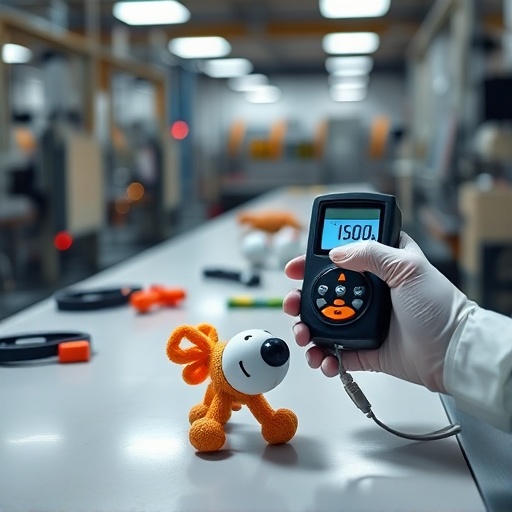
* **Sensor Calibration:** Request a test video showing the weight sensor’s accuracy when the bowl is empty versus full.
* **Firmware Modularity:** Can the device be remotely patched? If not, walk away.
* **Material Certification:** Demand the SGS reports for the specific batch of steel or plastic being used.
* **Assembly Precision:** Ask for the tolerance specs of the bowl housing; anything over 0.5mm is a red flag for rattling.
Why DDPark Prioritizes the “Invisible” Details
Our facility in the Pearl River Delta is not built for the lowest possible price point; it is built for the lowest possible return rate. We treat every interactive pet toy with stainless steel bowl vs without: which is better for B2B as a diagnostic exercise. We want to know your target demographic before we suggest a material specification.
If you are a startup, we offer flexible MOQs to help you test the market without over-leveraging your capital. If you are an established player, our automated optical inspection (AOI) lines ensure that your mass-market shipments maintain the same quality as your pilot samples. You can Explore our Smart Pet Product Catalog to see our latest innovations in sensor-driven feeding.
Stop guessing whether your hardware will survive the shipping process. With 10+ Years of Manufacturing Expertise, we provide the technical shielding your brand needs to scale. When you are ready to move past the hype and into high-reliability manufacturing, Request a Free OEM Quote from DDPark. Let’s build something that actually lasts.
Frequently Asked Questions
Q: Does a stainless steel bowl affect the weight sensor accuracy?
A: Yes, if not properly calibrated. Metal bowls can cause electromagnetic interference or mechanical resonance. We use custom-dampened mounts to ensure the sensor remains accurate regardless of the bowl material.
Q: How do I know if a manufacturer is using high-quality stainless steel?
A: Always request an SGS or ISO certification for the raw material. If they cannot provide a test report for the specific batch, assume it is a lower-grade, non-food-safe alloy.
Q: Is firmware stability a standard part of the OEM process?
A: It should be, but it rarely is. Many factories outsource firmware to third-party developers, which creates a disconnect. At DDPark, we handle firmware in-house to ensure seamless OTA support and real-time bug fixes.
Work with DDPark
Our solutions feature food-grade BPA-free materials, battery backup protection, low MOQ support, and are Matter protocol ready for your smart home ecosystem.
Ready to Start Your OEM Order?
Contact our B2B team today for pricing, MOQ, and custom branding options.