
Sourcing a Pet Feeder with Backup Battery: A Factory Report
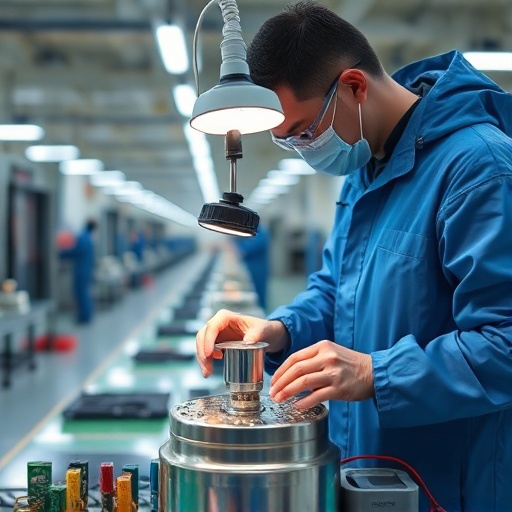
The air inside a pet tech assembly plant in Shenzhen hits you before you even see the machines. It’s a mix of ozone, hot plastic, and the faint, sweet smell of solder flux. You hear the rhythmic clack-hiss of pneumatic presses and the constant, rapid-fire beeping of quality control testers.
I’ve spent twelve years walking these aisles. Most importers look at spec sheets in an air-conditioned office. They don’t see the reality of how these units are put together. When you are looking for a reliable pet feeder with backup battery for power outage protection, the factory floor tells a different story than the glossy brochure.
What is The Reality of Battery Integration?
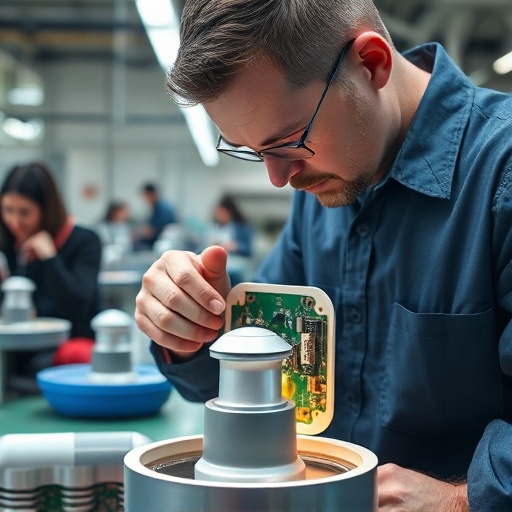
Most manufacturers will tell you their battery backup systems are fail-safe. From what we have seen across dozens of factories, that is often a stretch. Nine times out of ten, the backup system is an afterthought. It’s a cramped PCB board jammed into the base, often poorly insulated against the vibration of the motor.
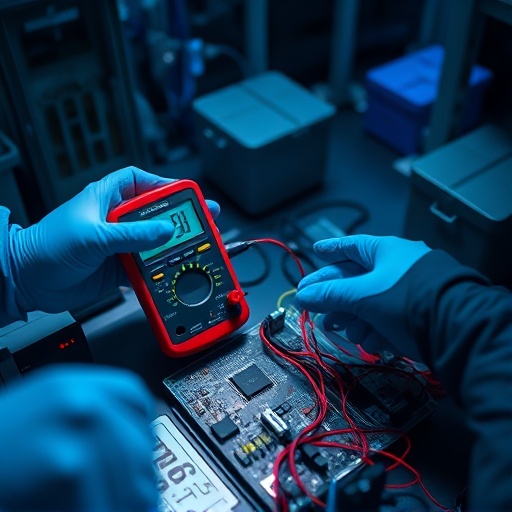
Look at the battery contacts. Are they spring-loaded steel or cheap, thin copper plates? Cheap plates bend. Once they bend, the circuit breaks. If your customer’s power goes out and those contacts have oxidized or flattened, that “backup” feature is just a plastic paperweight. My personal take is that if the factory isn’t using gold-plated or high-tension contacts, you’re asking for a return rate spike.
Why Simplicity Wins
Walk past the high-end, app-controlled units and look at the assembly stations. You’ll see workers struggling to align ribbon cables in the more complex feeders. These cables are the first thing to snap when a unit is dropped or moved. A pet feeder with backup battery for power outage readiness needs to be rugged. If the internal wiring looks like a bird’s nest, walk away.
Not every buyer needs every feature. Do you really need a built-in camera that streams in 4K if the feeding mechanism itself is prone to jamming? A mechanical jam in a feeder is a nightmare for an owner away from home. A power outage is a secondary problem if the food won’t dispense anyway.
- Dual Power Source: Must auto-switch seamlessly without resetting the clock.
- Battery Type: D-cell batteries are standard, but check for internal lithium-ion integration.
- Certifications: CE, RoHS, and FCC are the bare minimum.
The Small Details That Cause Big Returns
A small but telling detail on the production line is the battery compartment cover. Does it require a screwdriver, or is it a simple snap-fit? Snap-fits break. If the cover breaks, the batteries fall out when the cat bumps the unit. It sounds trivial. It’s the kind of thing that generates 30% of your negative reviews.
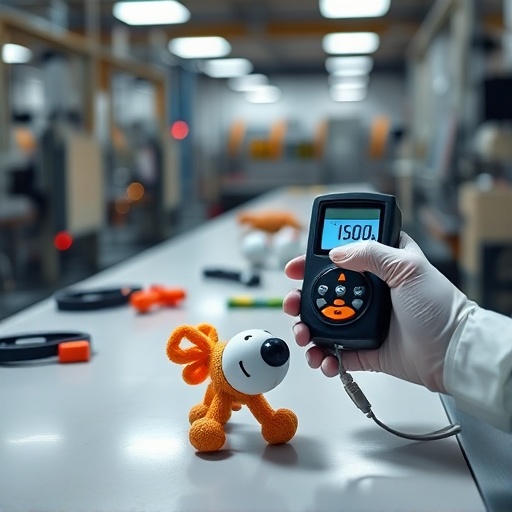
The truth is, most buyers don’t check how the feeder behaves when the power returns. Does it stall? Does it double-dispense? I’ve seen units on the test bench that dump the entire hopper the moment the power cycles back on. That’s a mess for the owner and a headache for your support team.
What Should You Actually Ask Your Supplier?
Stop asking if they have a backup battery. Of course they do. Instead, ask for a video of the unit switching from AC to DC power while the motor is mid-dispense. Watch the display. Does it flicker? Does it lose the current time settings? If the clock resets, the feeding schedule is gone. That defeats the purpose of the backup entirely.
Whether that actually matters in practice is debatable, but for a premium-priced unit, it is non-negotiable. Don’t let a factory tell you that “power cycles are rare.” Your job is to protect your brand from the customer who experiences that one outage.
The Contrarian View on Battery Tech
Everyone wants rechargeable lithium batteries. They sound modern. They look good on a spec sheet. But consider this: lithium batteries have a finite lifespan and are a fire risk if the charging circuit is poorly designed. For a device that sits on a floor 24/7, standard alkaline D-cells are often safer and more reliable. They don’t degrade in the heat of a kitchen, and they are easier for the end-user to replace.
Sometimes, the “low-tech” solution is the one that keeps your return rate at 1% instead of 5%. Don’t chase trends just to fill a catalog. Focus on the mechanics of the feeder and the reliability of the power-switch relay.
If you are ready to audit your current supply chain or need a second pair of eyes on a factory spec sheet, reach out to our team below.
Ready to Start Your OEM Order?
Contact our B2B team today for pricing, MOQ, and custom branding options.
The next time you’re evaluating a pet feeder with backup battery for power outage scenarios, remember the factory floor. If it’s loud, messy, and the workers are focused on the small, boring stuff like contact tension and wire routing, you’re likely in the right place.