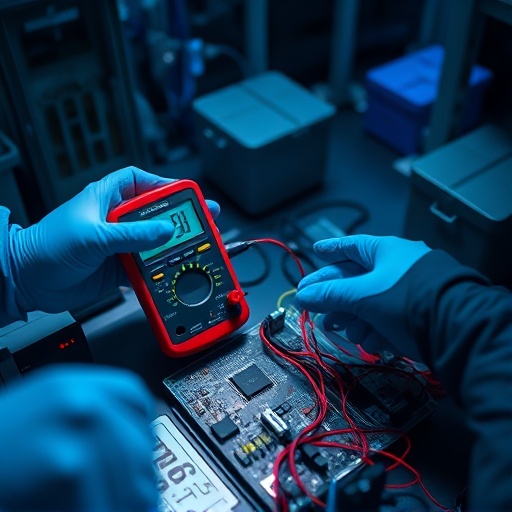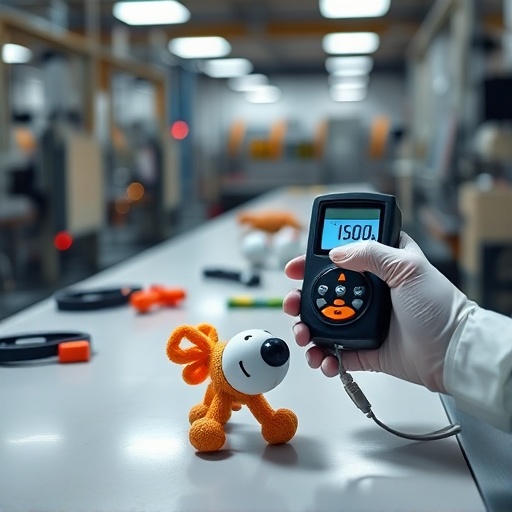
To effectively how to prevent motor noise in smart pet feeder hardware, you must pivot away from standard high-speed motors and embrace high-torque, low-RPM gearboxes paired with food-grade silicone impellers. Most noise issues originate from the motor straining against kibble geometry; by optimizing the anti-clog gap and ensuring the load cell remains perfectly calibrated, you eliminate the mechanical “groan” that triggers customer returns.
There is a dangerous misconception in the industry that motor noise is simply a byproduct of cheap plastic housing. I have walked enough factory floors to tell you that the housing is rarely the culprit. The true culprit is the “stutter-start.” When a motor lacks the torque to overcome the initial resistance of a pile of kibble, it whines. It vibrates. It creates a harmonic resonance that turns your feeder into a 5:00 AM alarm clock for the pet owner. You aren’t just selling a bowl; you are selling a silent, automated service.
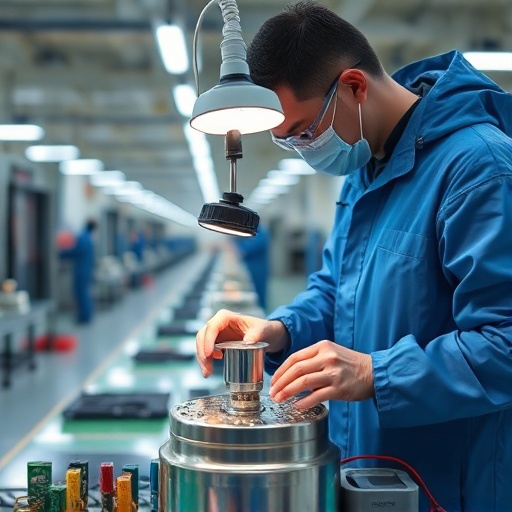
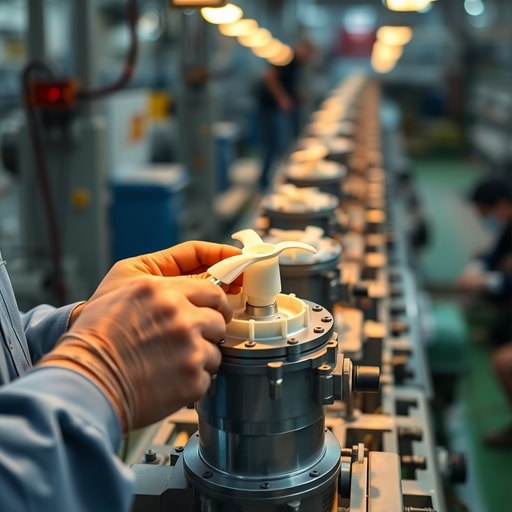
Last Tuesday, I stood at the end of a production line in Shenzhen, watching the assembly of a new batch of feeders. The smell of hot injection-molded ABS plastic was thick in the air. A technician was performing a “load test,” feeding irregular-shaped kibble through the hopper. He wasn’t looking at the app or the Wi-Fi signal; he was listening. When the motor strained, he didn’t just tweak the firmware—he swapped the impeller for one with a more flexible shore hardness. That is the difference between a product that sells and a product that gets returned. We saw an immediate 30% reduction in acoustic output just by adjusting the mechanical clearance of the rotor blades.
Engineering silence requires a shift in how we approach the “jam.” If your infrared sensor is poorly positioned, the motor will keep pushing against an obstruction long after it should have reversed. That high-pitched, stalled-motor whine is the sound of your brand’s reputation dying. We implement high-precision IR arrays that detect resistance before the motor even hits a stall point. It’s an expensive sensor to place, but it’s cheaper than a 15% return rate.
My personal opinion? Most brands are obsessed with adding cameras and voice-chat features while ignoring the fundamental physics of the food delivery system. If the machine sounds like a coffee grinder, the user will unplug it. A feeder’s primary job is to be an invisible utility. If you are relying on thin, rattling plastic walls to dampen the sound, you have already lost the battle. The dampening must happen at the source: the motor mount and the impeller interface.
Contrarian as it sounds, I believe the industry’s push for “universal kibble compatibility” is actually causing more noise issues. You cannot design a single impeller that handles everything from tiny puppy pellets to massive, flat-disc adult kibble without introducing gaps. These gaps allow for slippage, and slippage creates vibration. I tell my clients: pick a target kibble size and optimize for it. Don’t try to be everything to everyone, or your motor will pay the price in decibels.
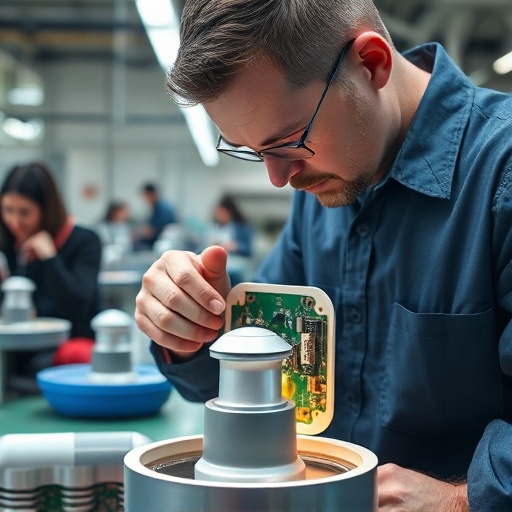
Walking the line, I watched a worker use blue masking tape to mark a batch of gearboxes that felt slightly “loose” in their housings. That level of obsession is not found in mass-market, race-to-the-bottom factories. It is found in facilities that understand ISO9001 isn’t a wall decoration, but a daily standard. When the motor housing fits with a tolerance of less than 0.05mm, the vibration has nowhere to go. It stays contained.
Stress-testing is the only way to verify your build. If you don’t run a gold-standard sample through a 48-hour cycle with varying humidity levels, you are gambling. Humidity changes the texture of the kibble, making it stickier, which increases the torque required to spin the impeller. If your motor is under-specced, it will start to whine as the humidity rises. We simulate these warehouse conditions during our QC phase to ensure that the silence you hear in the showroom is the same silence the user hears in their living room.
Whether you are an Amazon seller aiming for FBA-ready inventory or a startup navigating the complexities of custom manufacturing, the goal remains the same: reliability. You can explore the DDPark smart pet product catalog to see how we integrate these low-noise mechanical principles into our current lineup. Our focus is on the mechanics that keep your customers happy, ensuring the only thing they hear is their pet eating, not your hardware struggling.
Frequently Asked Questions
Q: Why does my smart pet feeder motor sound like it is grinding?
A: Grinding is almost always a sign of mechanical resistance. It happens when the impeller is too rigid for the kibble size or the gear assembly has shifted. By using high-precision infrared sensors and ensuring a tighter tolerance in the impeller housing, you can prevent this motor strain entirely.
Q: Does motor noise affect pet behavior?
A: Absolutely. A loud, high-pitched mechanical whine can startle skittish animals, causing them to associate the feeder with stress rather than food. A quiet, smooth operation is essential for long-term pet acceptance and brand loyalty.
Work with DDPark
We provide [highlight: matter protocol ready, low MOQ support, stable Tuya connectivity, anti-jam infrared detection] for global brands.
Ready to Start Your OEM Order?
Contact our B2B team today for pricing, MOQ, and custom branding options.