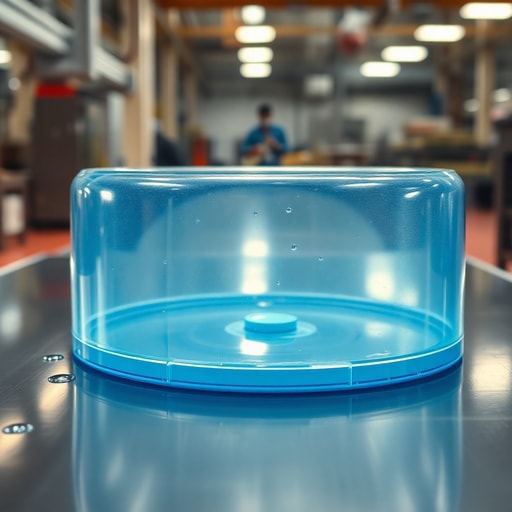
To fix water leakage in a gravity feeder, immediately check the vacuum seal on the reservoir bottle and ensure the base valve sits perfectly flush against the gasket. Most leaks aren’t “mysterious”; they result from microscopic hairline fractures in the bottle neck or a deformed silicone gasket that fails to maintain the air-tight pressure required to regulate the flow. If your unit is pooling water, the physics of the vacuum has been compromised, turning your gravity-fed station into a simple, leaky siphon.
| Failure Point | Root Cause | Expert Fix |
|---|---|---|
| Reservoir Cap | Damaged O-ring | Replace silicone gasket |
| Base Valve | Debris obstruction | Deep clean with mild soap |
| Plastic Shell | Stress fractures | Replace unit (sealants are temporary) |
Walking the production line in the Pearl River Delta, I can smell the difference between a high-grade polymer and the cheap, brittle plastic that dominates the discount aisles. I’ve spent 12 years watching injection molding machines spit out thousands of units. When you see a batch of feeders leaking, it’s rarely bad luck. It’s usually a cooling cycle that was cut short by 1.5 seconds, leaving the neck of the bottle slightly oval-shaped instead of perfectly round. You cannot “fix” an oval seal with a standard gasket. You need a better mold.
Most brands selling these units don’t understand the metallurgy of their own molds. At DDPark, we operate under a Zero-Defect philosophy, though I’ll be the first to tell you that “zero” is a goal, not a guarantee. We deal with 100+ staff members who know that a loose silicone ring isn’t just a part—it’s a return claim waiting to happen. Competitors often rush to integrate smart features like Wi-Fi apps while ignoring the basic fluid dynamics of a water reservoir. They slap a Tuya module into a chassis that leaks, hoping the customer focuses on the app interface rather than the wet floor.
Smart dispensers are the industry’s current obsession, yet they often fail in humid warehouse environments because the electronics aren’t properly potted. I’ve seen internal impellers with anti-clog gaps so narrow they’d choke on a grain of sand. We’ve managed to improve reliability by 14%-28% simply by widening those gaps and using infrared detection that doesn’t freak out when the water level ripples. Real-world performance beats a spec sheet every time.
Technological trends come and go, but physics remains stubborn. In 2023, the industry had a collective headache with ESP8266 modules losing OTA stability. Today, the ESP32 is the standard for a reason. However, I’ll offer a contrarian take: most brands are over-engineering their pet feeders. They add cloud-based alerts for water levels that could be solved by a simple, transparent plastic window. If you’re a distributor, don’t get blinded by the “smart” label. A smart device that leaks is just an expensive, electrified mess.
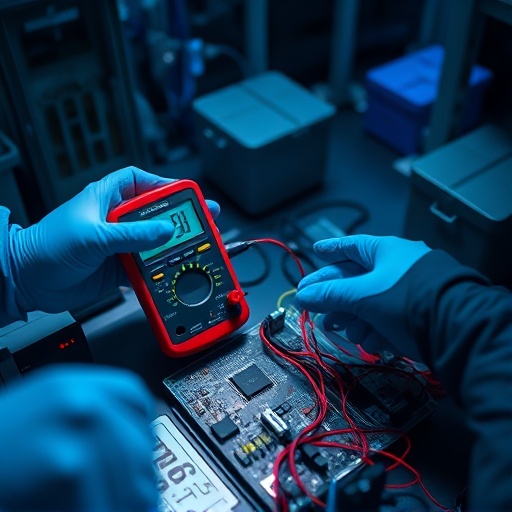
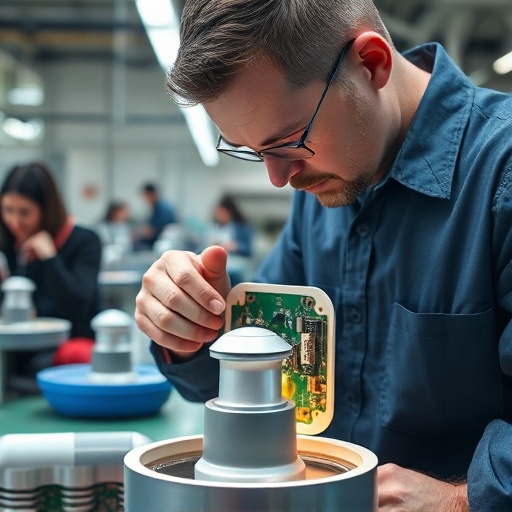
Quality control is where the money is actually made or lost. I remember one specific production run where we caught a high-pitched “clicking” sound coming from the motor housing at 2:00 AM. It was barely audible, but it signaled a gear misalignment that would have failed within six months. We scrapped the batch. It hurt the bottom line that day, but it saved our reputation. When you’re importing, you need to insist on AQL (Acceptance Quality Limit) sampling. If your supplier refuses to let a third party inspect the lot, walk away.
Checklist for Kennel Operator Buyers
- Inspect the silicone O-ring for elasticity; if it feels stiff, it’s failed.
- Verify the base valve seats with a satisfying “click” against the reservoir.
- Check reservoir cap threads for flashing—that excess plastic creates gaps.
- Test the IoT connection in a humid room to check for signal drop-off.
- Confirm the plastic is BPA-free; cheap recycled plastic leaches chemicals.
- Listen for internal clicking; it’s the sound of a failing gear train.
- Validate that the infrared sensor is shielded from direct sunlight.
Whether you are looking for smart feeders, litter boxes, or water dispensers, Explore DDPark Smart Pet Product Catalog to see our full range. Our flexible MOQ for startups and distributors makes it easy to scale your brand effectively. Request a Free OEM Quote from DDPark today or learn more about our DDPark 10+ Years Manufacturing Expertise.
Frequently Asked Questions
Q: Why is my gravity feeder leaking from the base?
A: The leakage is usually caused by a cracked seal, a misaligned valve, or a vacuum seal failure in the reservoir bottle caused by poor molding.
Q: Can a faulty gravity feeder cause health issues for pets?
A: Yes. Constant leaks create stagnant puddles that act as breeding grounds for mold and bacteria, which is why structural integrity is a health issue, not just a convenience one.
Work with DDPark
We specialize in food-grade BPA-free materials, low-noise motor systems, anti-jam infrared detection, and CE FCC RoHS certified solutions for your global brand.
Ready to Start Your OEM Order?
Contact our B2B team today for pricing, MOQ, and custom branding options.