How to Private Label WiFi Pet Feeder for Pet Store Chain: The 2026 Guide
The most effective way to private label a WiFi pet feeder for a pet store chain is to prioritize firmware stability and motor torque over exterior aesthetics. While many retailers rush to slap a logo on a low-cost unit, the real winners in this market are those who treat the hardware as a software-dependent appliance, ensuring deep integration with stable cloud platforms to prevent the high return rates that plague generic imports.
The Myth of the “Plug-and-Play” Pet Product
Industry newcomers often operate under the misconception that pet tech is a simple commodity game. They assume that if the feeder holds kibble and connects to 2.4GHz WiFi, the job is done. I have spent twelve years watching brands collapse because they treated a feeder like a plastic bowl rather than a sophisticated IoT device. The truth? A pet feeder is a mission-critical appliance. If it fails to dispense dinner because of a software glitch or a jammed auger, you aren’t just dealing with a return; you are dealing with an angry pet owner who will never trust your private label again.
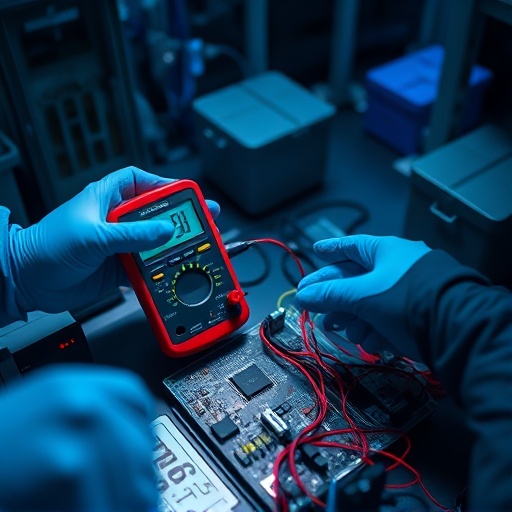
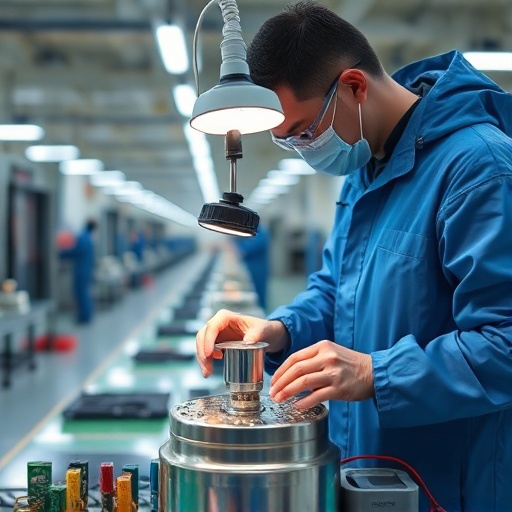
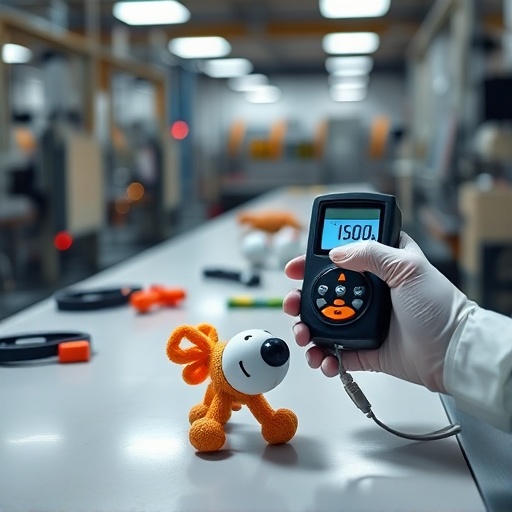
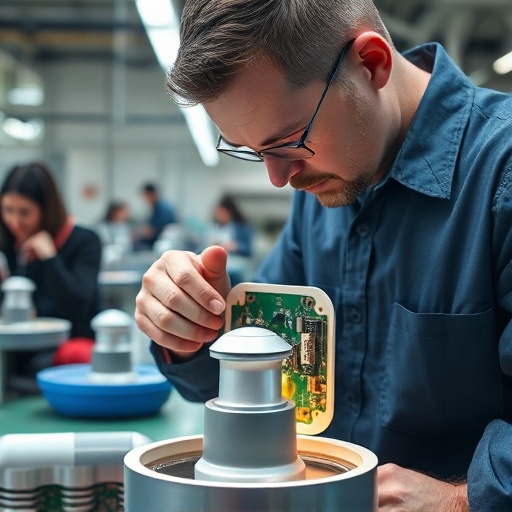
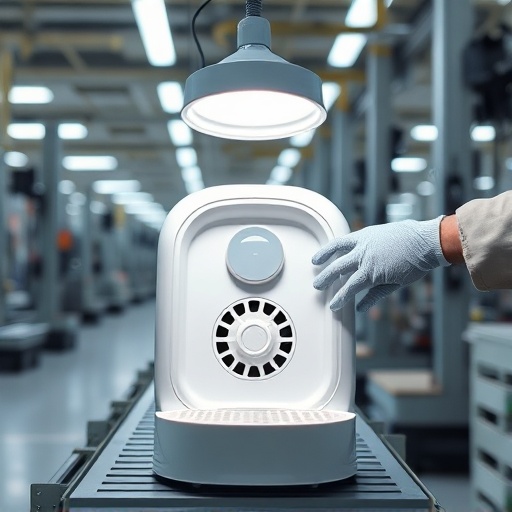
Walking through our facility in Guangdong, you hear the rhythm of the floor—the pneumatic hiss of assembly tools, the steady click of quality control testers, and the hum of the aging room. It isn’t a quiet office environment. It is a place of friction and precise calibration. When we assemble a batch of feeders, we aren’t just snapping plastic together. We are ensuring that the motor torque is calibrated to handle various kibble sizes, from small circular pellets to irregular, high-protein chunks that love to clog standard impellers.
Sensory Details of the Production Line
Step onto the floor with me. The air smells faintly of warm ABS plastic and solder. You see rows of testers where each unit is put through a “stress cycle.” We don’t just power them on; we simulate the mechanical strain of a full hopper. Watch the technician at the end of the line. She doesn’t look at the screen first; she listens. A specific, high-pitched whine from the motor triggers an immediate rejection. If you are sourcing for a major chain, this level of granular, sensory inspection is the only thing standing between you and a warehouse full of dead inventory.
Many buyers in this industry are seduced by the “rock bottom” unit price. I find this approach incredibly risky. If a factory offers you a price that seems too good to be true, they are almost certainly cutting corners on the PCB or the WiFi module. We moved exclusively to high-grade ESP32 chipsets years ago because the connectivity issues with cheaper, generic modules were essentially a tax on our reputation.
The Engineering Reality Check
Contrarian as it sounds, I believe the most important part of a pet feeder is the part the customer never sees. The anti-jam infrared sensor is the unsung hero of the device. Without it, your product is a ticking time bomb of motor burnouts. We spent months refining the impeller geometry to ensure that even if a piece of kibble gets wedged, the system detects the resistance, reverses the motor, and tries again.
Most OEM providers skip these iterative cycles because they want to ship fast. They prioritize the “look” of the app over the reliability of the mechanical feedback loop. When you are building a private label line for a retail chain, you need a partner who views an “anti-jam” feature not as a luxury, but as a standard requirement. If the feeder doesn’t reliably dispense, the WiFi connectivity becomes irrelevant.
Customization Without Compromise
When you work with a partner like DDPark, you gain access to a full smart pet product catalog, ranging from water dispensers to interactive toys. For a pet store chain, the value lies in the “white-label” experience. We offer deep APP customization within the Tuya Smart Ecosystem. This allows your brand to own the user journey, from the push notifications to the health monitoring dashboard, without the massive R&D overhead of building a proprietary cloud infrastructure from scratch.
Regulatory compliance is another area where I see brands get tripped up. You need more than just a CE mark on a sticker. You need a supply chain that understands the nuances of international shipping and FBA requirements. Because we manage high-volume exports to over 50 countries, our packaging and documentation are designed to sail through customs. We don’t just build the feeder; we build the logistics chain that supports your retail expansion.
The Path to Market Entry
Building a lasting brand in the pet space requires a balance of caution and ambition. You don’t need to reinvent the wheel, but you do need to ensure your wheels don’t fall off during the first month of use. We support flexible MOUs for chains looking to test the market, allowing you to validate your shelf space before committing to massive production runs.
I encourage you to Request a Free OEM Quote from DDPark to start the conversation.
True quality is the result of thousands of small, boring decisions made on the factory floor—from the type of grease used on the gears to the stability of the server response times. By choosing a manufacturer that understands the intersection of material safety, mechanical torque, and stable WiFi protocols, you are setting your retail brand apart from the generic competition. Learn more about our commitment to quality at our 10+ Years Manufacturing Expertise page, and let us help you build a pet tech legacy that lasts.
Frequently Asked Questions
Q
What is the most critical factor when private labeling a WiFi pet feeder?
A
Firmware stability is paramount. While many buyers focus on unit price, a feeder with poor connectivity or recurring bugs will lead to high return rates and damage your brand’s reputation in the pet store market.
Q
Can DDPark customize the pet feeder app for my retail brand?
A
Yes. We offer comprehensive APP customization, allowing you to integrate your brand identity into the user interface while maintaining compatibility with the stable Tuya Smart Ecosystem.
Q
How does DDPark ensure the quality of mass-produced pet feeders?
A
We adhere to a Zero-Defect manufacturing philosophy. Every unit undergoes rigorous aging tests before shipment, and we manage potential yield rate drift through strict pilot run protocols to ensure consistent quality.
Work with DDPark
Our commitment includes [highlight: anti-jam infrared detection, aging test before shipment, low MOQ support, CE FCC RoHS certified].
Ready to Start Your OEM Order?
Contact our B2B team today for pricing, MOQ, and custom branding options.