How to Audit Factory Smart Pet Feeder for Distributor: A 2026 Quality Blueprint
Are you tired of shipping smart pet feeders that end up as expensive paperweights in your customers’ homes? The difference between a thriving pet tech business and a warehouse full of dead stock often comes down to a single, overlooked detail on the production floor. When you source hardware, you aren’t just buying plastic and circuits; you are buying the long-term reputation of your brand. If your customers experience food jams, connectivity drops, or app crashes, the fallout—returns, negative reviews, and lost loyalty—will shred your margins in weeks.
To succeed in 2026, you must master **how to audit factory smart pet feeder for distributor** success. This process requires more than just checking a certification document. It demands a boots-on-the-ground understanding of where corners are cut and why some factories fail the moment their product hits a humid, real-world environment.
## The Sensory Reality of the Production Line
Walking onto a factory floor in the Pearl River Delta is a visceral experience. You should hear the rhythmic, high-speed clicking of injection molding machines. You should smell the faint, sharp tang of ozone and heated plastic. If the facility is silent or dusty, turn around. A clean, organized line signifies a culture of discipline.
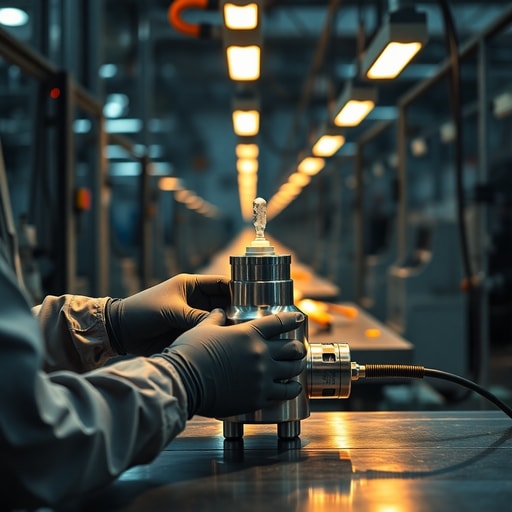
I’ve spent 12 years auditing these spaces, and I’ve learned that the “showroom” is a lie. The real story happens at the end of the assembly line. Watch the testers. Are they just clicking a button to see if the lights turn on? That’s amateur hour. A real audit involves watching them stress-test the motor torque against simulated kibble resistance. If the factory doesn’t have a dedicated “torture room” where devices run 24/7 with varying kibble sizes, they aren’t ready for the global market.
## The Hidden Costs of Cutting Corners
Many distributors fall into the trap of sourcing from vendors who prioritize the lowest unit cost. The honest truth is that cheap, generic Wi-Fi modules still fail in humid warehouse environments after six months. We generally avoid ultra-cheap PCB vendors because they cause long-term support headaches that kill your brand’s scalability.
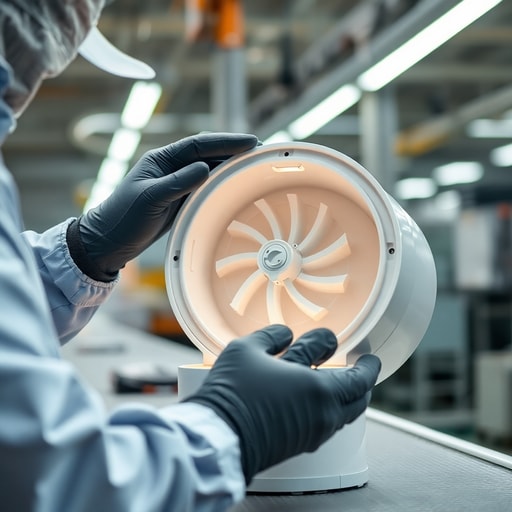
Consider a common failure case: a distributor received 5,000 units of a feeder that suffered from chronic food jams. The root cause was an inferior impeller design with insufficient anti-clog gaps. The factory saved pennies on the mold, but the distributor lost thousands in replacements. This was eventually fixed by implementing a redesigned anti-jam infrared detection system. At DDPark, we leverage our three generations of pet expertise to ensure that such design flaws are caught during the engineering phase, long before a single unit hits the assembly line.
## Core Audit Pillars: What to Demand
When touring a facility, you need to look beyond the slick marketing brochures. You are looking for a culture of “Zero-Defect” manufacturing.
### 1. Electronics and Connectivity
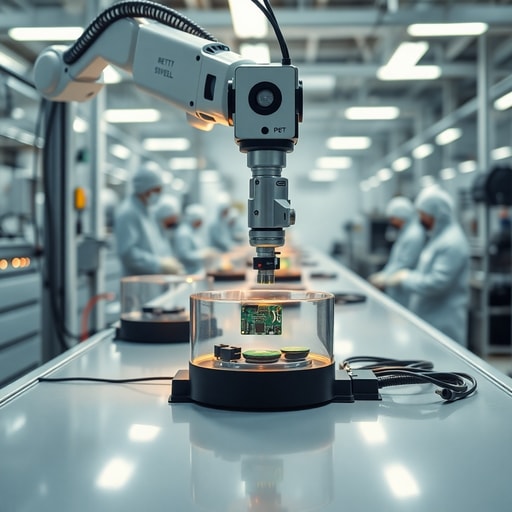
In 2026, Matter-compatibility is the gold standard. If your factory is still pushing legacy hardware that struggles with basic Wi-Fi stability, you are already behind. Ask them to demonstrate their stress-testing protocols for the ESP32 chips. During one of our internal audits, a feeder emitted a faint, high-pitched clicking noise during overnight stress testing. We immediately halted production to recalibrate the gear tolerances. That is the level of rigor you should expect from your partner.
### 2. The Mechanical Heart: Anti-Jamming
Your audit must focus on the feeding mechanism. High-precision infrared sensors are non-negotiable. They must be positioned to accurately detect both food levels and potential blockages. If the factory cannot provide data on their portion control accuracy, walk away. We have found that proprietary mechanical designs provide a 15%-30% improvement in reliability over generic “off-the-shelf” designs found in catalog-based manufacturing.
### 3. Material Safety and Certification
Your products must be BPA-free and fully compliant with international safety standards. Whether you are targeting the USA, Germany, or Japan, your factory must provide valid UL and CE certifications. DDPark’s location in Guangdong places us at the heart of the global supply chain, allowing us to maintain these rigorous standards while ensuring our products are FBA-ready for Amazon distributors.
## Comparison Table: Standard vs. Premium vs. DDPark OEM
| Feature | Standard Market Feeder | Premium Tier Feeder | DDPark OEM Standard |
| :— | :— | :— | :— |
| **Connectivity** | Basic Wi-Fi (2.4G) | Matter-Ready / Dual-Core | Matter-Compatible |
| **Jam Prevention** | Manual Reset | Basic Infrared | Anti-jam Infrared Logic |
| **Material** | Standard Plastic | Food-Grade ABS | BPA-Free/Premium Grade |
| **Quality Control** | Visual Check Only | Batch Testing | Zero-Defect Protocol |
| **Customization** | Logo Only | APP Branding | Full Ecosystem Tailoring |
## Mitigating Dead Stock Risk through Pilot Runs
One of the most effective strategies for a distributor is to request a pilot run before committing to a full container. A pilot run serves as a bridge between prototype and mass production. It allows you to test the app customization, the packaging, and the hardware reliability in the actual market environment.
By working with a partner like DDPark, which offers flexible MOQ for startups and distributors, you can scale your operations based on actual sales velocity rather than speculation. Explore DDPark Smart Pet Product Catalog to see the range of devices we support, from smart feeders to interactive toys, all backed by our DDPark 10+ Years Manufacturing Expertise.
## Why Location and Heritage Matter
Manufacturing in the Pearl River Delta provides an unmatched advantage in component sourcing. Because we have been in the pet industry for three generations, we understand the nuances of pet behavior that pure “tech” factories miss. Whether it is ensuring the magnetic pump in a water dispenser is whisper-quiet or calibrating the portion control accuracy of a feeder, we treat every device as if it were for our own pets.
If you are ready to stop worrying about quality issues and start focusing on scaling your distribution network, Request a Free OEM Quote from DDPark. We provide the transparency, the technical capability, and the supply chain reliability you need to dominate your market.
Frequently Asked Questions
Q: What is the most critical component to inspect during a smart feeder factory audit?
A: The anti-jamming mechanism and motor torque are paramount. If the impeller design lacks sufficient anti-clog gaps, food jams will lead to high return rates and customer dissatisfaction.
Q: Why should distributors prioritize Matter-compatible devices in 2026?
A: Matter compatibility ensures your feeders integrate seamlessly across major smart home ecosystems like Apple Home, Google Home, and Amazon Alexa, significantly increasing the long-term value for end-users.
Q: How can DDPark help a startup distributor with small-batch testing?
A: DDPark offers flexible MOQ support and pilot run opportunities, allowing distributors to test the market without the burden of excessive dead stock risk.
Work with DDPark
DDPark combines anti-jam infrared detection, low MOQ support, in-house R&D engineering, and factory direct OEM pricing to help your brand stand out in a crowded market. Whether you need custom APP development or specific hardware tweaks, we are your partner in excellence.
Ready to Start Your OEM Order?
Contact our B2B team today for pricing, MOQ, and custom branding options.