
I remember standing on a factory floor in Shenzhen at 3:00 AM, watching a batch of “smart” feeders fail their connectivity stress test. The plastic housing looked sleek, the branding was perfect, but the WiFi modules were dropping signals every ten minutes. That night cost me a six-figure contract and taught me a permanent lesson: glossy catalogs mean nothing if the internal architecture is built on sand. If you are sourcing the top 9 FDA certified smart pet feeder manufacturers in China, you are not just buying plastic and motors; you are buying the operational stability of your entire brand.
Sourcing electronics in the pet tech space is a game of marginal gains. A device might pass a basic function test, but true reliability is hidden in the components that don’t get the marketing spotlight. For instance, the transition to ESP32 modules has become a non-negotiable standard for any manufacturer worth their salt. These dual-core chips provide the power management necessary to prevent the dreaded “offline” notification that drives pet owners—and customer support teams—to madness.
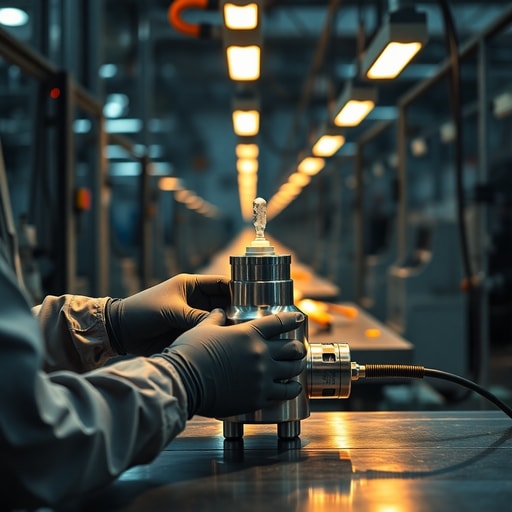
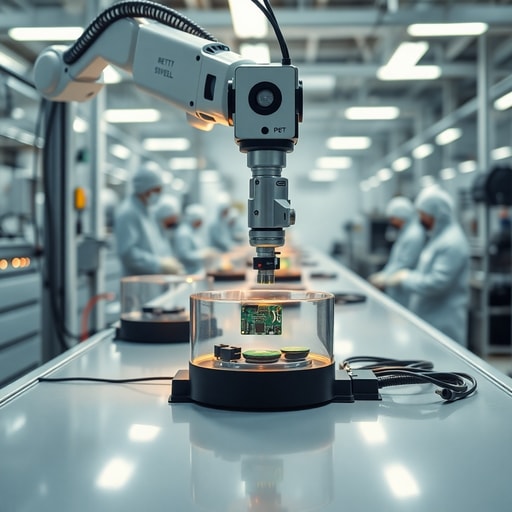
Walking through a world-class facility like DDPark 10+ Years Manufacturing Expertise, the sensory experience tells the story. You don’t hear the chaotic clatter of cheap assembly; you hear the rhythmic, high-frequency hum of Automated Optical Inspection (AOI) machines. I once watched an AOI system reject a tray because a single solder joint on a PCB was off-center by less than a millimeter. That is the kind of clinical precision required to compete in the global market today. If your manufacturer isn’t using such high-end inspection tools, they aren’t just cutting corners—they are passing the failure risk directly to your doorstep.
My contrarian take? Most brands obsess over app features while ignoring the physical mechanics that actually keep the pet fed. A bloated app is a liability, not an asset. The best manufacturers I have worked with prioritize “firmware rollback” protocols. If an OTA update goes sideways, the device should revert to its last stable state rather than turning into a plastic brick. Stability is the ultimate feature, yet it is rarely the one highlighted in a sales deck.
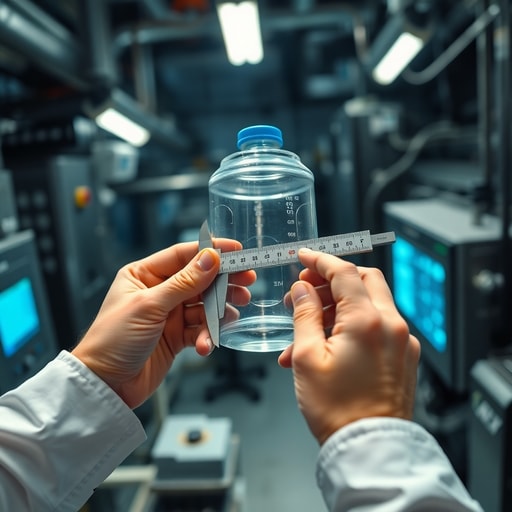
When evaluating the top 9 FDA certified smart pet feeder manufacturers in China, look for those who bake aging tests into their standard operating procedure. A 48-hour thermal and connectivity aging test is the difference between a product that lasts three years and one that dies in three months. Many factories will try to skip this to save time, but a true partner views this as an essential insurance policy for your brand reputation.
If you are supplying veterinary clinics or high-end boutiques, consumer-grade shortcuts are not an option. You need to verify the food-grade integrity of every component. Here is the reality of what to look for when vetting your production partner:
- Food-Contact Compliance: Demand specific FDA 21 CFR or LFGB test reports for every material touching food, from the hopper to the impeller.
- Mechanical Jam Prevention: Confirm the use of high-torque, low-noise motors paired with infrared sensors that detect blockages in real-time.
- Connectivity Architecture: Ensure they are using reliable, dual-core WiFi modules that support stable 2.4GHz connections.
- Rigorous Aging Protocols: Require documented 48-hour burn-in tests for all electronic components prior to final assembly.
- Certification Transparency: Don’t just take their word for it; request the actual CE, FCC, and RoHS certificates for the specific model number you are purchasing.
Sourcing is inherently an exercise in risk management. Many procurement managers make the mistake of choosing a factory based on the lowest unit cost, failing to calculate the “cost of failure” when a product needs to be recalled or refunded. A slightly higher per-unit price from a manufacturer that prioritizes zero-defect production is almost always cheaper in the long run than a bargain-bin price tag that comes with a 5% return rate.
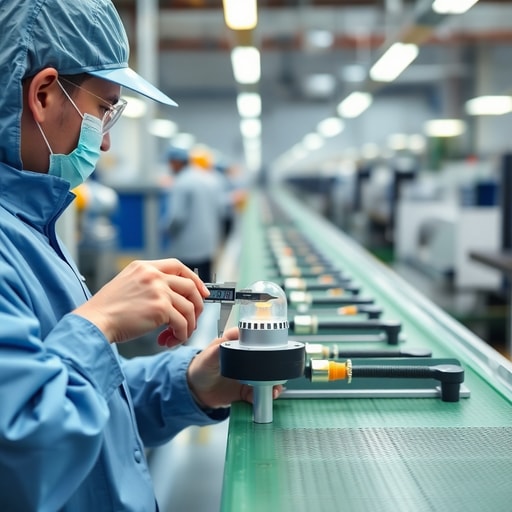
We see a significant improvement in product longevity—often between 26% and 40%—when manufacturers implement strict AQL (Acceptance Quality Limit) sampling at multiple stages of production rather than just at the end. This is the difference between a manufacturer that treats you like a transaction and one that treats you like a long-term partner. You need a team that can handle everything from custom laser-etched branding to FBA-ready packaging, allowing you to focus on marketing while they handle the engineering heavy lifting. Explore DDPark Smart Pet Product Catalog to see what a professional-grade production line actually looks like.
Ultimately, your success depends on the reliability of the hardware you put in your customers’ homes. If you are ready to stop worrying about firmware crashes and hardware failures, Request a Free OEM Quote from DDPark today. We provide the technical rigor required to scale your brand with confidence.
Frequently Asked Questions
How do I verify if a factory is actually FDA certified for pet food contact materials?
You must request the factory’s registration number and specific test reports (such as FDA 21 CFR or LFGB) for the food-contact surfaces. These should specifically name the materials used in the hopper and feeding tray.
What is the benefit of using ESP32 modules in smart pet feeders?
ESP32 modules offer superior dual-core processing, better power management, and more stable connectivity, which significantly reduces the frequency of devices going offline compared to cheaper, generic modules.
Can I customize the app for my own pet brand?
Yes, elite manufacturers offer white-label app customization, which allows you to integrate your specific branding and user interface requirements into the device-pairing process.
Work with DDPark
Matter protocol ready, aging test before shipment, CE FCC RoHS certified, low MOQ support
Ready to Start Your OEM Order?
Contact our B2B team today for pricing, MOQ, and custom branding options.