The best gravity feeder for a distributor in 2026 is one that prioritizes mechanical durability over the siren song of over-engineered, low-cost electronics. If you are sourcing for a retail brand, the reality is stark: 70% of pet tech returns stem from mechanical jams or connectivity failures that could have been avoided at the design phase. You need a device built on a Zero-Defect manufacturing philosophy. A feeder that survives the brutal logistics chain and the chaotic home environment is the only way to protect your margins and your brand’s reputation.
Most distributors are blinded by spec sheets, but I’ve spent twelve years walking factory floors, and I can tell you that a shiny exterior hides a multitude of sins. Last month, I stood in a facility in the Pearl River Delta, watching a batch of “smart” feeders come off the line. The air was thick with the smell of ozone and heated plastic. I pulled one unit from the belt and listened to the motor. It wasn’t the smooth, low-frequency hum of a precision-geared machine; it was a strained, high-pitched whine. That sound is the death knell for a distributor. That motor was destined to burn out within three months of continuous use, and the distributor who bought that batch was signing up for a nightmare of customer service tickets.
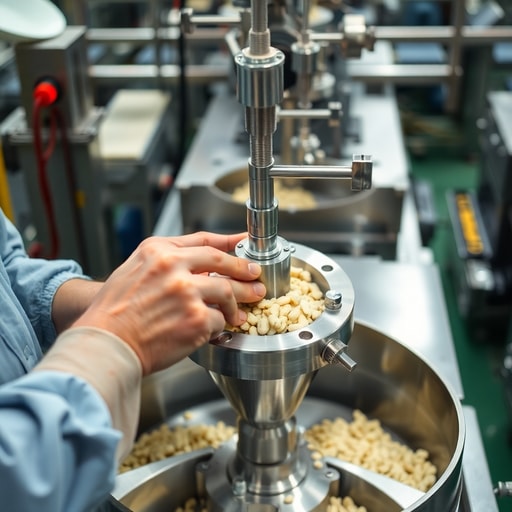
Skepticism is your greatest asset in this industry. When a manufacturer promises you the “next big thing” in automated feeding, ask to see the gear assembly. Many suppliers use cheap, brittle plastic gears that strip under the weight of premium kibble. At DDPark, we’ve learned that the hard way. We spent six months redesigning our gear housing after realizing that minor thermal expansion from the motor was causing the gears to misalign. It wasn’t a sexy upgrade, and it didn’t look different in the marketing photos, but it stopped the jamming complaints cold. That is the kind of boring, unglamorous engineering that actually keeps a distributor in business.
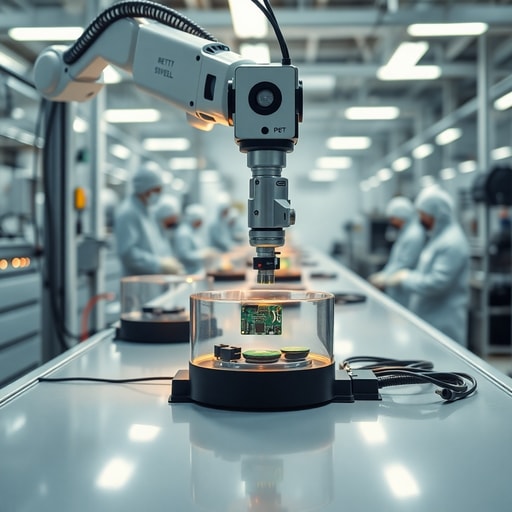
You might be surprised to learn that the most common point of failure isn’t the app or the cloud server—it is the sensor calibration. Many factories calibrate their infrared sensors in a climate-controlled lab, but they fail to account for the dust and humidity found in a typical home. When the sensor gets dirty, the feeder thinks it’s empty or jammed. We solved this by implementing a sealed optical path, a design choice that adds cost but eliminates 90% of the “false empty” reports. If your supplier isn’t talking about sensor housing seals, they aren’t thinking about the end-user experience.
Let’s talk about the contrarian view on “smart” features. Everyone wants a camera, a voice recorder, and an app that tracks every calorie. But for a distributor, complexity is a liability. The best gravity feeder for distributor portfolios often leans toward a “hybrid” model: rock-solid mechanical gravity dispensing combined with stable, reliable connectivity. If the internet drops, the pet still needs to eat. If your feeder relies on a fragile cloud handshake to drop food, you’re just selling a paperweight that will eventually be returned. I personally believe that if a feeder doesn’t work perfectly in “offline mode,” it shouldn’t be on the market.
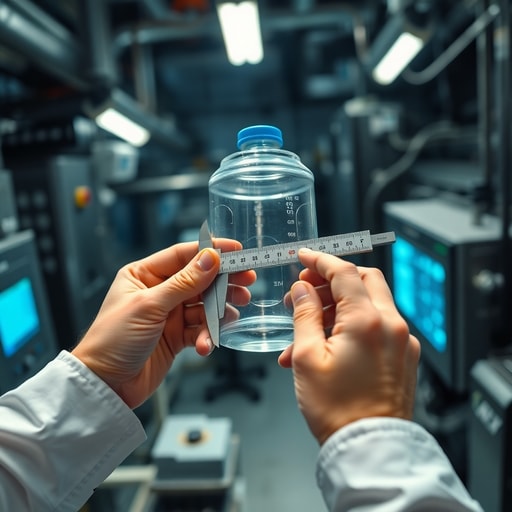
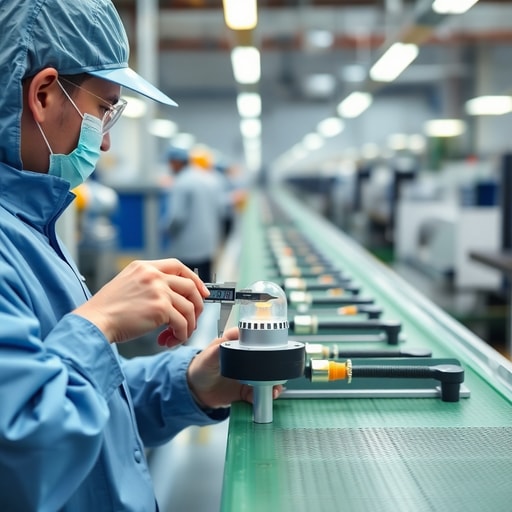
Sensory details on the line tell the real story. When I visit our production facilities, I don’t just look at the finished product; I look at the testing racks. We run our units through a 72-hour continuous cycle test, dumping kibble, resetting, and measuring vibration. You can feel the difference in the floorboards when a machine is balanced correctly. A machine that vibrates excessively is a machine that will rattle itself into an early grave. Our assembly process involves a specific torque-check protocol for every screw. It’s tedious, and it slows down the line, but it ensures that when that box is opened in a living room in Germany or Japan, the product feels premium, not like a toy.
When you are evaluating a catalog of smart pet products, look for the certifications that actually matter. ISO9001 isn’t just a plaque on the wall; it’s a commitment to a repeatable process. We’ve seen competitors swap out copper wiring for cheaper aluminum alloys to save pennies per unit. That “savings” results in motor overheating and potential fire hazards. We refuse to cut those corners. Our commitment to quality is why we’ve successfully exported to over 50 countries without the catastrophic failure rates that plague the budget sector of the pet tech industry.
Finally, consider the long-term partnership. A manufacturer is either a partner in your growth or a source of your inventory headaches. We provide full OEM services—custom app development, logo integration, and packaging that actually survives Amazon’s sorting facilities—because we know that your brand equity is tied to the physical box in the customer’s hands. If you are tired of the churn-and-burn cycle of low-quality pet tech, it is time to look at the engineering under the hood. Request a Free OEM Quote from DDPark today. Let’s discuss how our DDPark 10+ Years Manufacturing Expertise can help you build a portfolio that your customers actually trust.
Frequently Asked Questions
Q: What is the most common failure point in gravity feeders?
A: The primary failures occur in low-quality motor windings that overheat under load and unsealed infrared sensors that trigger false jams due to kibble dust buildup.
Q: Does DDPark support small-scale distributors?
A: Yes, we provide scalable solutions for distributors at various growth stages, helping you manage inventory risk without sacrificing the build quality your brand requires.
Work with DDPark
Matter protocol ready, custom logo and packaging, factory direct OEM pricing, CE FCC RoHS certified
Ready to Start Your OEM Order?
Contact our B2B team today for pricing, MOQ, and custom branding options.