The most dangerous myth in the pet tech industry is that “smart” always equals “better.” Many B2B buyers assume that throwing a WiFi chip into a plastic chassis automatically entitles them to a premium price tag. They are wrong. If you are struggling with the smart pet feeder with WiFi connectivity vs without: which is better for B2B, the answer depends entirely on your target market’s tolerance for troubleshooting. For high-volume retail, simplicity often wins. For premium direct-to-consumer brands, connectivity is your lifeblood.
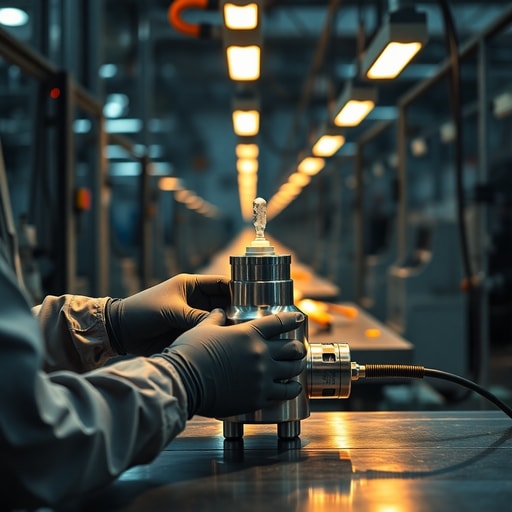
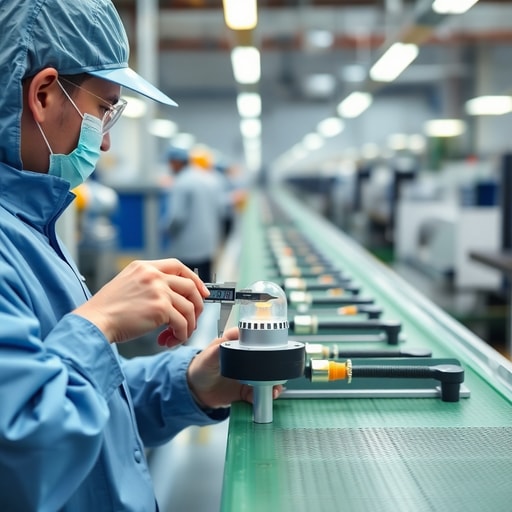
I remember standing on a production floor in the Pearl River Delta last August. The humidity was thick, and the air smelled faintly of ozone and heated ABS plastic. I watched a technician calibrate a batch of feeders. The rhythm of the assembly line was hypnotic—click, snap, test, repeat. Then, the line stopped. A worker pulled a unit aside, his face etched with frustration. The WiFi module had failed the initial handshake test. That’s the reality of IoT manufacturing: it isn’t just about the hardware; it’s about the silent, invisible software ecosystem that lives inside the plastic.
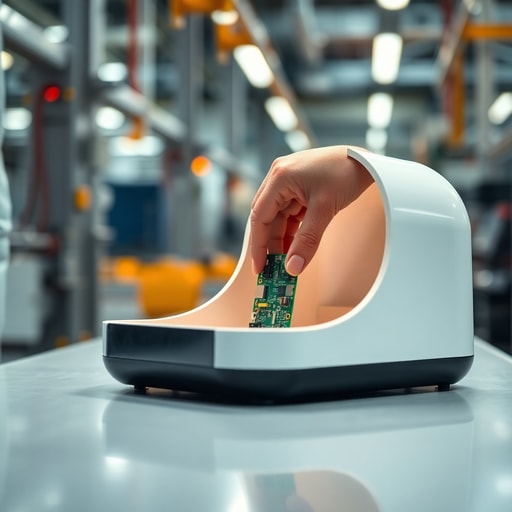
Walking that floor, you realize that connectivity is a commitment. It’s not just a feature you add; it’s a service you manage. If you choose the “smart” route, you aren’t just selling a bowl that dispenses kibble. You are selling a digital experience. If that experience glitches, your customers won’t blame the WiFi signal in their home—they will blame your brand. This is where many distributors fail. They buy the cheapest PCB available to keep BOM costs low, only to watch their return rates climb to 15% within the first month. That’s a death sentence for your margins.
Non-connected feeders, by contrast, are the workhorses of the industry. They are mechanical, predictable, and remarkably robust. They don’t require server maintenance, they don’t lose connection during a router update, and they rarely suffer from “bricked” firmware. For markets where price sensitivity is extreme or where the end-user base leans toward older demographics, manual feeders are the smarter business move. They are commodities that move volume without the headache of ongoing technical support.
Let’s be contrarian for a moment: the industry is currently obsessed with “app-ifying” everything. I’ve seen brands force WiFi into products where it adds zero functional value, just to tick a box for marketing. This is a mistake. If your feeder doesn’t offer meaningful data—like weight-based consumption tracking or health alerts—the WiFi module is just an expensive point of failure. Don’t add complexity unless it solves a specific user pain point. Sometimes, a high-quality, battery-operated timer is more “smart” than a buggy cloud-connected device.
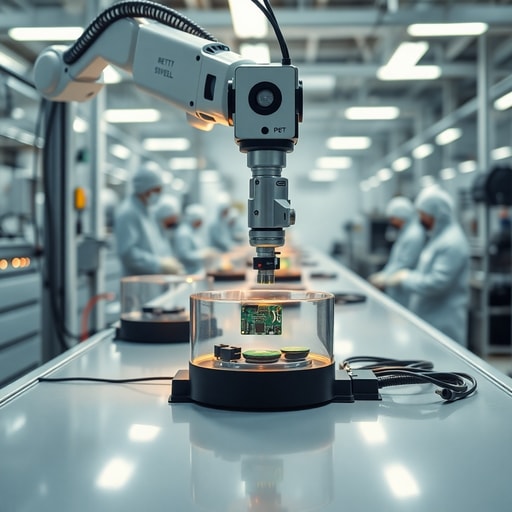
When we look at the smart pet feeder with WiFi connectivity vs without: which is better for B2B, we have to look at the “yield rate drift.” This is the subtle degradation of quality that happens when a factory stops paying attention. In my 12 years here, I’ve learned that the secret isn’t just the component quality; it’s the testing protocol. At DDPark, we subject every smart unit to a 48-hour aging test. We simulate power outages, signal drops, and server latency. If it doesn’t survive the gauntlet, it doesn’t leave the loading dock. You can explore our full smart pet product catalog here to see how we balance mechanical reliability with modern IoT integration.
Logistics and scalability should dictate your final decision. Are you aiming for Amazon FBA dominance? The algorithm favors products with high engagement, and smart features—like push notifications and remote scheduling—drive that engagement. However, if you are supplying independent pet boutiques or regional wholesalers, the manual feeder is a safer bet for long-term shelf stability. We see many of our partners start with a hybrid strategy: a premium smart line to build brand prestige and a reliable manual line to capture the budget-conscious volume. Request a free OEM quote from DDPark to see how we can help you scale both segments simultaneously.
My personal opinion? The market is moving toward “smart-lite.” Users want the convenience of an app, but they demand the reliability of a manual device. They want a device that works perfectly fine when the internet is down. If your firmware isn’t designed to buffer schedules locally, you are building a product that will frustrate your users the moment their ISP has a bad day. We focus heavily on local-first architecture. The feeder should be autonomous; the WiFi should be an enhancement, not a dependency.
Consider the power system. A smart feeder is useless if it shuts down during a power flicker. We integrate robust battery backups into our designs because we know that “smart” is meaningless if the pet goes hungry. This is the difference between a gadget and a reliable appliance. Our 10+ years of manufacturing expertise has taught us that the hardware is the foundation. If the motor torque isn’t consistent or the anti-jamming mechanism is flimsy, no amount of cloud software will save your reputation.
Choosing between WiFi and manual isn’t about following trends. It’s about knowing your customer’s frustration threshold. If you aren’t prepared to manage a support team that can handle technical troubleshooting, stick to the mechanical side of the market. If you are ready to build a tech-forward brand, prioritize firmware stability above all else. Find a manufacturing partner who treats your PCB with the same care as the structural mold. Your brand depends on it.
Frequently Asked Questions
Q: Does a smart pet feeder always require a stable WiFi connection?
A: While they function as standard dispensers offline, WiFi is essential for remote scheduling, health monitoring, and real-time alerts. For B2B, ensure your firmware supports offline buffering so the feeder continues its schedule even when the internet drops.
Q: Is it cheaper to manufacture non-WiFi pet feeders?
A: Yes, the unit cost is lower due to the absence of the WiFi PCB and cloud maintenance costs. However, the market demand for “smart” features is outpacing basic units, often resulting in higher margins for connected devices despite the initial investment.
Q: How can I ensure my WiFi-enabled feeders don’t suffer from connectivity drops?
A: Prioritize manufacturers that use high-quality chips like the ESP32 module. At DDPark, we emphasize rigorous aging tests and stable firmware to minimize connectivity issues, ensuring your end-users remain satisfied.
Work with DDPark
We provide industry-leading battery backup protection, rigorous aging tests before shipment, rock-solid stable Tuya connectivity, and a premium low-noise motor system. Let’s build your brand’s next success story together.
Ready to Start Your OEM Order?
Contact our B2B team today for pricing, MOQ, and custom branding options.