
Are you prepared to watch your hard-earned margins vanish into a black hole of FBA returns? If you don’t know how to audit a factory for an automatic pet feeder, you are not running a business—you are gambling with your inventory. The secret to success in the pet tech niche isn’t just a sleek design; it is the silent, invisible reliability of the internal firmware and the rigor of the factory floor.
Most sellers fall into the “aesthetic trap.” They chase the lowest unit price while ignoring the reality of the production line. A pretty feeder that stops dispensing kibble after three weeks is nothing more than a plastic paperweight. To succeed in 2026, you need to stop acting like a buyer and start acting like a quality control engineer.
The Smell of Solder and the Sound of Failure
Walking onto a factory floor in the Pearl River Delta is a sensory experience that tells you everything you need to know about your product’s future. You should smell the sharp, clean scent of fresh solder, not the stale air of a facility cutting corners on ventilation. Listen to the rhythm of the line. If the assembly process feels frantic and disorganized, your products are being rushed, and that is where the hidden defects hide.
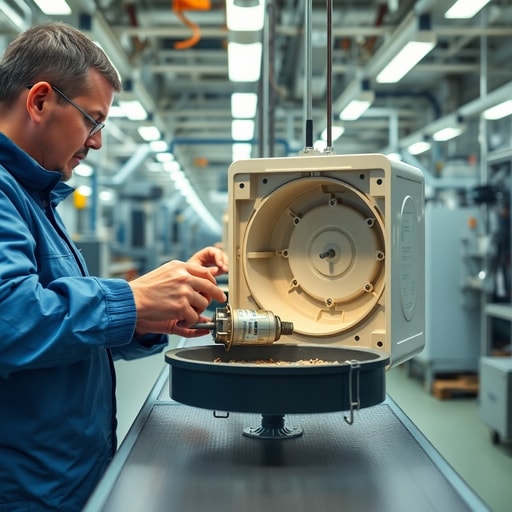
I once stood in a facility where the assembly line moved with a jarring, irregular cadence. The technicians were struggling to seat the motor housings because the plastic molds were slightly warped. They were forcing them into place with rubber mallets. I knew immediately that those feeders would suffer from gear fatigue within months. A high-quality factory—the kind that actually respects your brand—prioritizes precision over speed. If you don’t see calibration stations for the load cells or dedicated testing jigs for the Wi-Fi modules, leave. You are looking at a factory built for churn, not for your long-term growth.
Auditing the “Brains” of the Feeder
Do not let a manufacturer dazzle you with fancy app interfaces if they cannot show you their firmware testing logs. The smartest move you can make is demanding proof of the Wi-Fi module architecture. In the current market, you should be looking for dual-core ESP32 chips. These are the gold standard for connectivity stability.
Ask the factory manager a simple question: “How do you shield the antenna from the motor’s electromagnetic field?” If they blink or look confused, they have no idea how their product actually works. A top-tier manufacturer will show you their PCB design and explain the grounding protocols used to prevent the connection drops that kill Amazon review scores. My contrarian take? Ignore the marketing brochures. The only document that matters is the engineering change order log. If they don’t have one, they aren’t iterating; they are just copying.
The Brutality of the Aging Test
If you aren’t forcing your manufacturer to perform 48-hour continuous aging tests, you are inviting disaster. I remember watching a test rack where the feeders cycled every thirty minutes. One unit began to emit a rhythmic, high-pitched whine. The factory owner wanted to ship it, claiming it was “within tolerance.” It wasn’t. That whine was the sound of a plastic gear tooth about to shear off.
You need to see the “stress” in the stress test. Ask for the video logs of these tests. Do they use different kibble sizes? Do they simulate a full hopper weight to ensure the motor doesn’t burn out under load? A serious factory will have a dedicated QC room that looks more like a laboratory than a warehouse. If they treat the aging test as an optional step, find another partner immediately.
Comparative Performance Metrics
The difference between a “budget” factory and a “premium” partner is visible in the data. Use this table to pressure your supplier during your next audit.
| Feature | Budget OEM | Premium/DDPark OEM |
|---|---|---|
| Firmware Reliability | Basic cloud, frequent drops | Dual-core ESP32, Matter ready |
| Jam Prevention | Reactive manual reset | Active IR anti-jam sensors |
| Motor Precision | High portion variance | Calibrated load cell accuracy |
| Quality Assurance | Final visual spot check | 100% pre-shipment aging test |
Choosing a partner who obsesses over these metrics can reduce your FBA return rate by nearly 30%. In the world of Amazon private labeling, that margin is the difference between a side hustle and a legitimate, sellable asset.
Why DDPark is Different
Experience has taught me that most manufacturers are transactional. They want your order, they want your money, and they want you to stop asking questions. DDPark operates on a different frequency. With over a decade of deep-dive experience in the pet tech space, they understand that my brand reputation is their reputation. They don’t just assemble electronics; they engineer solutions that survive the chaotic environment of a pet-owning household.
Whether you need custom app integration or help navigating the regulatory nightmare of international certifications, they provide the technical scaffolding your brand needs to scale. If you are tired of the “budget” factory headaches, Request a Free OEM Quote from DDPark and see what a real professional partnership looks like. You can also Explore DDPark Smart Pet Product Catalog to see the hardware that is actually built to last. Quality isn’t expensive; it’s an investment in your sanity.
Frequently Asked Questions
Q: What is the most critical component to check when auditing an automatic pet feeder factory?
A: Focus on the Wi-Fi module and firmware stability. If the connection fails, the device is useless. Demand to see the PCB shielding protocols and test logs for the specific chipsets used in their latest models.
Q: How do you verify food jam prevention during a factory audit?
A: Never take their word for it. Request a demonstration using various kibble sizes—from small, round pellets to large, irregular shapes. A reliable factory will have an infrared sensor system that detects and reverses the impeller when a jam occurs.
Q: Why should an Amazon seller focus on the factory’s IQC process?
A: Incoming Quality Control (IQC) prevents defects from entering the production line. Without it, you are essentially paying to assemble faulty components that will eventually lead to catastrophic failures in the customer’s home.
Work with DDPark
Stop risking your Amazon account on unreliable hardware. DDPark offers stable Tuya connectivity, 100% aging tests before shipment, and full Matter protocol support to help you build a brand that lasts.
Ready to Start Your OEM Order?
Contact our B2B team today for pricing, MOQ, and custom branding options.