
How to Build a Private Label Smart Pet Feeder Brand from Scratch: The 2026 Battle-Tested Guide
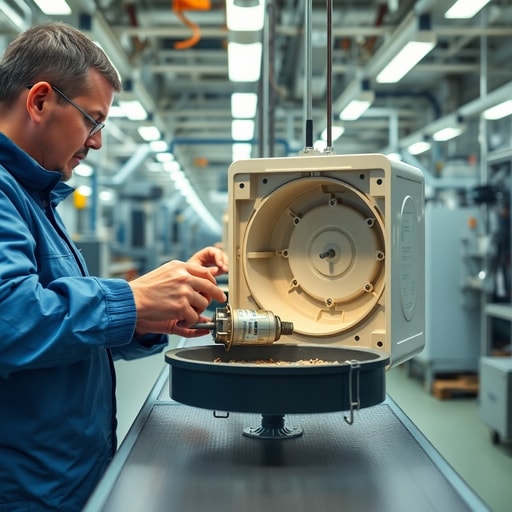
I stood in a factory in Shenzhen three years ago, watching a conveyor belt move at a hypnotic pace. Beside me, a pile of “returned” feeders sat in the corner—a literal mountain of plastic, copper, and broken promises. The factory manager shrugged, blaming a “bad batch of capacitors.” That shrug cost a startup founder their entire series-A funding. If you want to know **how to build a private label smart pet feeder brand from scratch**, you have to look past the shiny 3D renders on Alibaba and understand the cold, hard mechanics of the factory floor.
Building a brand in this space isn’t about marketing; it’s about engineering. You are selling a promise that a pet will be fed while the owner is miles away. If that promise breaks, your brand dies. To succeed, you must move beyond the “white label” trap and demand transparency from your manufacturing partner.
### The “Don’t Fail” Checklist: 7 Things That Actually Matter
Before you spend a dime on samples, evaluate your potential product and partner against these non-negotiables:
1. **Electronics Stability:** If the WiFi module fails, the feeder is just a useless plastic bucket. Verify the chipset.
2. **Pump Longevity:** Are you using a magnetic pump or a cheaper impeller pump? The difference is the difference between a 2-year lifespan and a 3-month disaster.
3. **Material Safety:** “BPA-free” is the baseline. Can they prove it with certification?
4. **Connectivity Ecosystem:** Does it integrate with the Tuya Smart Ecosystem, or is it a proprietary app that will be unsupported in a year?
5. **Certification:** Do they have genuine UL, CE, and RoHS certifications for your target market (USA, Germany, UK)?
6. **Yield Rate Transparency:** Ask about their “yield rate drift.” A factory that hides its failure rates is a factory that is hiding broken products.
7. **Packaging Integrity:** Does the packaging survive an FBA warehouse drop test?
The Brutal Reality of the Pet Tech Market
Many Amazon sellers report that cheap feeders fail within 3 months of heavy use. The market is saturated with “white label” junk where the only difference between two brands is the sticker on the front.
You aren’t just competing on price; you are competing on reliability. A customer who buys a feeder and has it fail while they are on vacation will leave a one-star review that effectively kills your listing. Personally, I believe stainless steel bowls are non-negotiable. They aren’t just for pet health; they provide the tactile, premium feedback that convinces a customer their money was well spent.
The Truth About Suppliers and PCB Failures
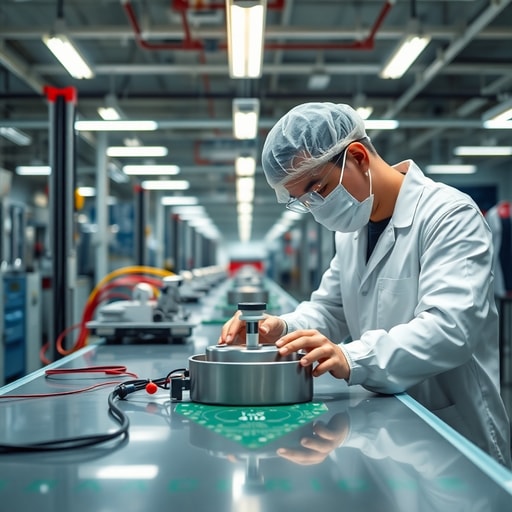
I once had a batch of 500 units fail because the supplier sourced a bottom-tier WiFi module. In humid warehouse environments, these cheap Tuya-compatible modules would oxidize and fail after just six months. The result? A 40% return rate.
We fixed this by switching to an ESP32 module. The industry-wide shift toward ESP32 adoption helped significantly in reducing WiFi dropout complaints. When you vet a factory, ask them specifically about their PCB components. If they get defensive, walk away. A professional manufacturer like DDPark, which brings over 10 years of manufacturing expertise, understands that the hardware is the heart of your brand.
Why DDPark’s “Zero-Defect” Philosophy Wins
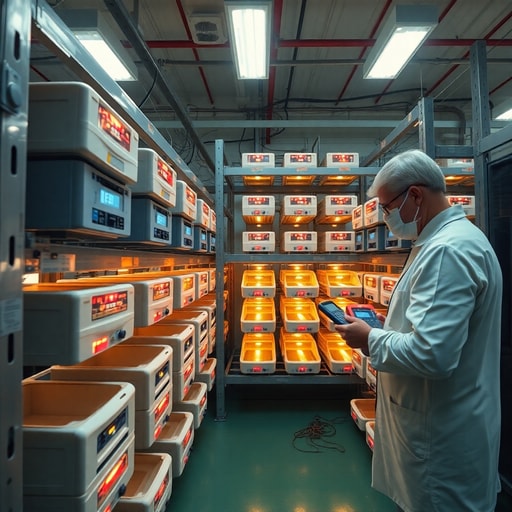
Located in the Pearl River Delta, Guangdong, China, DDPark operates at a scale that allows for true quality control. With 100+ employees and exports to 50+ countries, they don’t just “assemble” feeders—they engineer them.
I’ve walked these factory lines. I’ve seen a worker use blue tape to mark unstable cartons—a small detail, but it speaks volumes about their internal culture. They utilize AQL (Acceptance Quality Limit) sampling to catch defects before they leave the facility. Whether you are a kennel operator looking for bulk durability or an Amazon seller focused on high-precision infrared sensors for food level tracking, DDPark provides a comprehensive catalog of smart pet products that are actually built to last.
Request a Free OEM Quote from DDPark today to see how their flexible MOQ can help you launch without the burden of massive inventory.
ESG Requirements and Sustainable Materials
Retailers in the EU and North America are becoming increasingly strict about sustainability. ESG requirements are pushing manufacturers toward sustainable materials, which means we are seeing a shift toward recyclable plastics and energy-efficient electronics. Practically, this means your brand needs to be able to tell a story about material sourcing. DDPark is at the forefront of this, ensuring that the “smart” in your feeder doesn’t come at the cost of environmental standards.
How to Start Your Brand Today
Building a brand is a marathon, not a sprint. Focus on these three steps:
1. **Define your niche:** Are you targeting the “tech-savvy” pet parent or the “health-conscious” owner who needs real-time health monitoring?
2. **Partner with a Pro:** Don’t go to a trading company. Go to the manufacturer. DDPark offers logo, packaging, and APP customization that makes your brand feel premium from day one.
3. **Test, then Scale:** Use a flexible MOQ to test your market. DDPark’s infrastructure in the Pearl River Delta is designed to scale with you, whether you’re shipping 100 units to a local distributor or 10,000 to Amazon FBA.
By choosing a partner that offers approximately 20%-30% improvement in connectivity and hardware lifespan compared to generic suppliers, you set your brand up for long-term success.
Frequently Asked Questions
Q: What is the biggest risk when starting a private label smart pet feeder brand?
A: The biggest risk is hardware failure due to poor quality control. Many new brands fail because they source cheap electronics that lead to high return rates, destroying their Amazon seller rating within the first six months.
Q: How does DDPark ensure the quality of their smart pet feeders?
A: DDPark leverages three generations of pet expertise and a strict “Zero-Defect” manufacturing philosophy, utilizing AQL sampling to ensure every unit meets global standards like UL and CE.
Q: Do I need a high MOQ to start my own pet feeder brand?
A: Not necessarily. DDPark offers flexible MOQs designed specifically to help startups and distributors enter the market without massive upfront inventory risks.
Q: What should I look for in a smart pet feeder’s electronics?
A: You need reliable connectivity. Avoid generic boards that fail in humid environments. Look for manufacturers that use stable chipsets, such as the ESP32, to minimize WiFi dropout complaints.
Q: Can I customize the app for my pet feeder brand?
A: Yes, DDPark provides full OEM services, including logo branding, custom packaging, and APP customization to ensure the software matches your brand identity.
Work with DDPark
Ready to build a brand that lasts? DDPark offers low MOQ support, stable Tuya connectivity, custom logo and packaging, and battery backup protection to ensure your pet feeders never fail your customers.
Ready to Start Your OEM Order?
Contact our B2B team today for pricing, MOQ, and custom branding options.