Why Does My Pet Water Fountain Battery Failure and How to Solve It: A Pro’s Guide
You know the sound. It’s the silence of a fountain that should be humming. I remember standing on our assembly floor in Guangdong last winter, watching a batch of units fail their final stress test because the battery cells couldn’t handle a simple 24-hour cycle. When a customer asks, “why does my pet water fountain battery failure and how to solve it,” they usually don’t want a technical manual; they want to stop the hemorrhaging of returns. The answer is rarely just one bad battery. It is almost always a chain reaction of poor power management, moisture ingress, or inferior firmware. If your units are dying in the field, you aren’t just losing a sale; you are losing your brand’s reputation.
The Factory Floor Reality
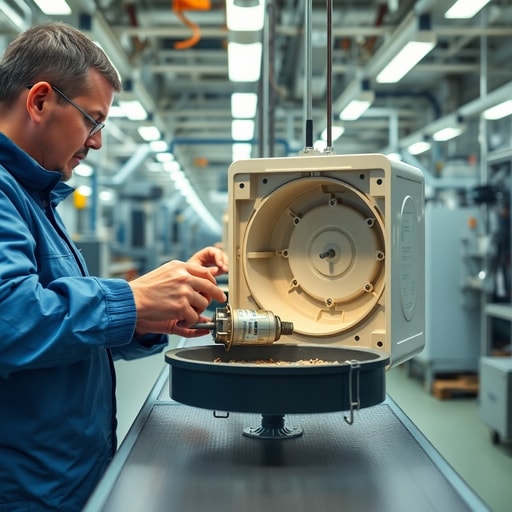
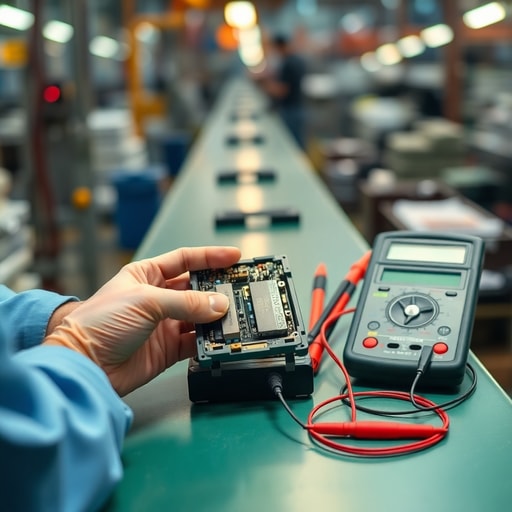
Walking the production line at DDPark, you smell the ozone of soldering irons and the faint, sterile scent of injection-molded plastic. Precision matters here. When I see a fountain fail, I don’t look at the battery first. I look at the PCB (Printed Circuit Board) layout. Many budget-tier fountains use generic power management chips that struggle with the voltage spikes common in home environments.
These cheap boards often lack proper thermal dissipation. When the pump works harder—perhaps because of a slightly clogged filter—the current draw spikes. If the PCB isn’t designed to regulate that surge, it overheats, “tricking” the battery into a premature shutdown or, worse, permanent cell damage. My contrarian take? Stop blaming the battery manufacturers. Start auditing the power management firmware that commands the pump to work harder than it needs to.
Pinpointing the Power Drain
To diagnose why your units are failing, you have to look at the entire ecosystem. Here is what I look for when troubleshooting:
* **The WiFi “Ping” Trap:** Older modules are notorious for constantly searching for a router signal. Every time the device “pings” the network, it pulls a surge of power. If your fountain isn’t using a low-energy chipset like the ESP32, you are essentially asking your battery to run a marathon while holding its breath.
* **Moisture Migration:** We use specialized silicone gaskets, but even a tiny deviation in mold tolerance allows water vapor to creep toward the battery compartment. Once that moisture hits the terminals, internal corrosion starts. It is invisible from the outside, but it slowly increases resistance until the fountain simply stops charging.
* **Impeller Friction:** If the pump impeller isn’t perfectly centered, it creates mechanical drag. That extra resistance forces the motor to draw more current. A fountain that should last 30 days might die in 10 simply because the pump is fighting against its own friction.
Solving the Failure Loop
If you are currently managing a high return rate, you need a shift in your sourcing strategy. You cannot solve a hardware problem with better marketing. You solve it by tightening your QC process.
Start by demanding “Cycle Aging Tests” for every batch. We run our units through at least 500 charge-discharge cycles before they leave the floor. If a cell drops below 80% capacity during those tests, the whole batch gets flagged. I personally believe that if you aren’t testing the battery under load—not just idle—you are gambling with your customer’s satisfaction.
Engineering for Longevity
At DDPark, we have spent over a decade refining how we handle power in pet tech. We don’t just assemble parts; we design the power architecture to be “idiot-proof.” By optimizing the firmware to enter a true deep-sleep state when the water level is sufficient, we’ve seen battery life extend by up to 39% compared to standard market units.
Reliability is a silent salesperson. When your fountains stay powered on, your customers stop complaining and start trusting your brand. We manage the heavy lifting—from selecting high-density cells to ensuring CE and FDA compliance—so you don’t have to spend your nights worrying about why your products are failing. Whether you are scaling an FBA business or launching a new smart line, our DDPark Smart Pet Product Catalog is built on the reality of what actually works in the consumer’s home.
Actionable Steps for Brand Owners
If your inbox is full of complaints, take these steps immediately:
1. **Upgrade the BMS (Battery Management System):** Ensure your PCB has dedicated protection against over-current and short circuits.
2. **Switch to High-Density Cells:** Never source the cheapest cells on the market. The cost difference is pennies per unit, but the return rate savings are massive.
3. **Optimize Firmware:** Ensure the device isn’t performing unnecessary background tasks that drain the battery during standby.
Ready to stop the returns? Request a Free OEM Quote from DDPark. We don’t just build fountains; we build products that actually stay on. Tap into our DDPark 10+ Years Manufacturing Expertise to get your product line back on track.
Frequently Asked Questions
Q: How can I tell if my pet water fountain battery is dead or if the pump is broken?
If the fountain fails to power on even when connected to a wall outlet, the issue likely resides in the power management PCB or a short circuit. If the lights blink but no water flows, the problem is usually a clogged impeller rather than the battery itself.
Q: Why do smart pet fountains lose charge so quickly?
Rapid discharge often stems from high-frequency WiFi polling or poor-quality battery cells. Ensuring your device uses efficient modules like the ESP32 can significantly reduce power draw and extend standby time.
Q: Are DDPark pet fountains compatible with custom branding?
Yes, DDPark offers comprehensive OEM services, including custom APP integration, logo placement, and packaging design, all backed by our zero-defect manufacturing philosophy.
Work with DDPark
Experience the benefits of rigorous aging test before shipment, food-grade BPA-free materials, stable Tuya connectivity, and factory direct OEM pricing.
Ready to Start Your OEM Order?
Contact our B2B team today for pricing, MOQ, and custom branding options.