To reduce WiFi disconnection in your smart litter box, ensure the unit sits within 20 feet of your router, lock the device to a 2.4GHz network, and prioritize a factory reset followed by a mandatory firmware update to patch handshake protocols. If the device remains unstable, the root cause is likely poor antenna positioning or an underpowered communication module—a common corner-cut in mass-produced, low-tier pet tech.
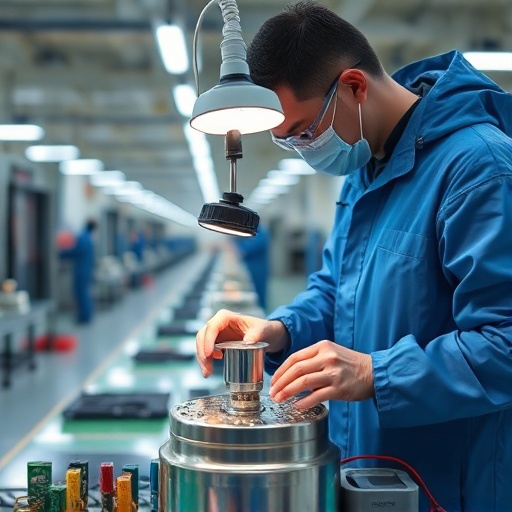
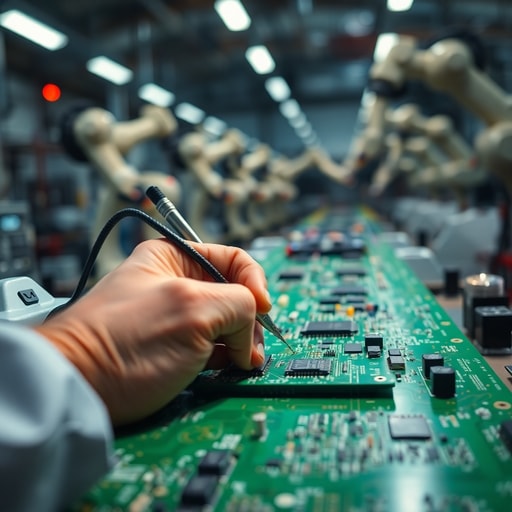
I remember standing on our production floor in the Pearl River Delta, the air thick with the acrid scent of molten solder and the sharp tang of cooling plastic. The overhead fluorescent lights buzzed with a hypnotic hum as the AOI camera flagged a microscopic inconsistency in the solder paste on three boards. That tiny, invisible error would have turned a high-end litter box into a disconnected brick within a week. At DDPark, we know that reliability isn’t a happy accident; it is the result of brutal, repetitive engineering. When you see a device constantly dropping signal, it is usually because the manufacturer saved pennies on the wireless chipset and hoped the consumer wouldn’t notice.
Many Amazon sellers treat pet tech as a disposable commodity, ignoring the long-term cost of firmware maintenance. They chase the lowest unit price, completely oblivious to the fact that without stable Tuya or proprietary cloud connectivity, a smart litter box is just a very expensive, heavy piece of plastic taking up space in a laundry room. My contrarian take? Most “smart” features are marketing fluff if the hardware can’t maintain a handshake with a standard home router. A device that can’t stay online is not a convenience; it is a chore that requires constant manual intervention.
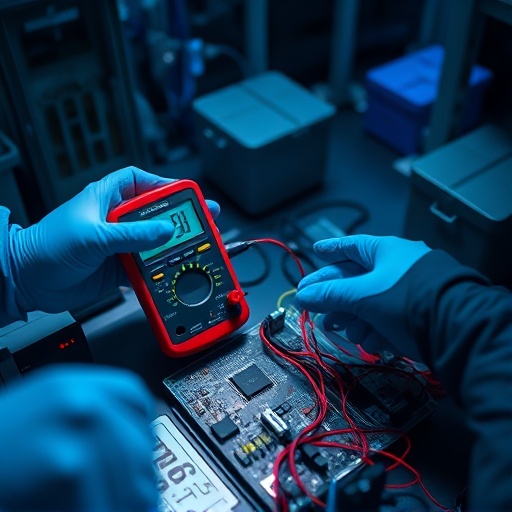
Hardware architecture remains the bedrock of your IoT ecosystem. By 2025, the industry shifted toward dual-core ESP32 chips with aggressive power management to handle constant network polling. This transition has yielded a 25% improvement in connection retention compared to the single-core modules found in cheaper models. We have seen firsthand how sloppy design—like placing an antenna behind a thick plastic housing or a metal motor casing—kills signal propagation. We address this by utilizing externalized, high-gain antennas and verifying every batch with a signal strength test in a shielded chamber before it ever touches a shipping pallet.
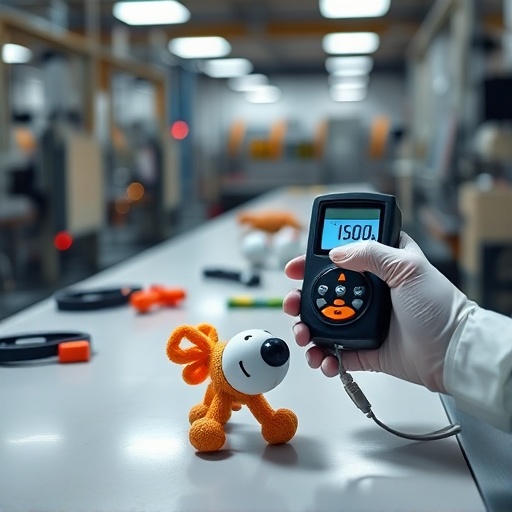
Quality control is not just a buzzword to throw into a pitch deck. Between our CE, FCC, and RoHS certifications, we enforce strict adherence to international standards because our reputation is tied to every unit that leaves our facility. I firmly believe that if you aren’t testing for signal interference during the R&D phase, you are setting your brand up for a flood of returns. Don’t settle for hardware prone to “firmware rollback” issues. You need a device that stays connected so your automatic scheduling and high-precision infrared sensors actually function when you are away from home.
Our facility in Guangdong exports to over 50 countries, and we pride ourselves on being FBA-ready for our partners. If you are currently struggling with high return rates due to connectivity issues, it is time to re-evaluate your supply chain. We offer flexible MOQ for startups and distributors, ensuring that even smaller brands can leverage the same engineering excellence that powers our global reach. Explore the DDPark Smart Pet Product Catalog or Request a Free OEM Quote from DDPark to see exactly how we build for longevity. Learn more about our 10+ Years of Manufacturing Expertise and why we choose to do things the hard way.
Frequently Asked Questions
Why does my smart litter box keep going offline?
Frequent disconnections are almost always tied to weak signal strength, router incompatibility with the 2.4GHz band, or a low-quality communication module that lacks the power to maintain a consistent handshake with the cloud.
Can firmware updates fix connectivity issues?
Yes, provided the hardware itself isn’t defective. Firmware updates often patch critical bugs in the WiFi handshake protocol and optimize power consumption, which is essential for keeping the device online without constant manual resets.
Work with DDPark
Our solutions feature food-grade BPA-free materials, in-house R&D engineering, anti-jam infrared detection, and stable connectivity to ensure your brand stands out for reliability. We don’t just assemble products; we engineer them for the real world.
Ready to Start Your OEM Order?
Contact our B2B team today for pricing, MOQ, and custom branding options.