
# The Complete B2B Sourcing Guide for Pet Feeder with Camera in 2026
Have you ever wondered why your return rates spiked three months after your last batch of smart feeders hit the market? The pet technology industry has reached a critical juncture. For years, the sector was flooded with disposable plastic gadgets, but 2026 marks the definitive year of the “Professional Grade” pivot. If you are an Amazon seller, a large-scale distributor, or a specialized kennel operator, you understand the landscape has shifted. Consumers no longer accept a device that simply “dispenses food.” They demand high-fidelity video, lag-free streaming, and, most importantly, mechanical reliability that doesn’t vanish shortly after the warranty expires.
This is **the complete B2B sourcing guide for pet feeder with camera in 2026**. We are moving past the hype of “smart” features and into the reality of rigorous hardware engineering. Whether you are hunting for a reliable partner in the Pearl River Delta or trying to navigate the labyrinth of international certifications, this guide provides the blueprint for sourcing products that don’t end up as e-waste.
The 2026 Market Shift: From Gadgets to Infrastructure
The pet feeder market is maturing. Gone are the days when a generic, white-label device with a camera could dominate the Amazon best-seller list for years. Today, the market is driven by “pet-parenting infrastructure.” A feeder is now treated like a home security device.
Industry-wide adoption of the ESP32 module has become the baseline. This wasn’t just a trend; it was a necessary survival tactic to reduce WiFi dropout complaints. Many sellers report that cheap feeders fail within 90 days of heavy use, typically due to moisture ingress or cheap PCB overheating. As a B2B buyer, you aren’t just buying hardware; you are buying the uptime of your brand.
Explore DDPark Smart Pet Product Catalog
Inside the Production Line: A Sensory Reality
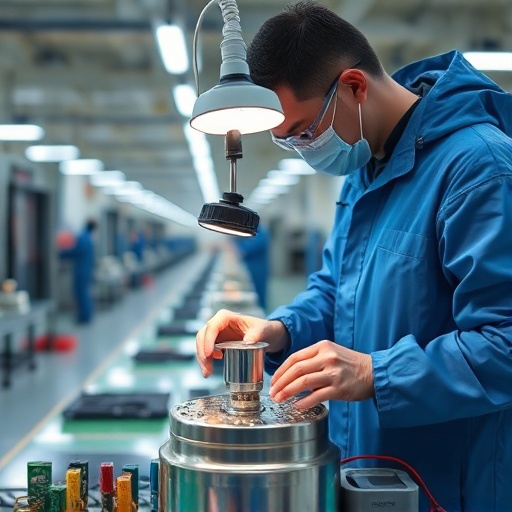
Step onto the floor at our facility, and the first thing you notice isn’t the robotics—it’s the smell of clean solder and the rhythmic *click-hiss* of pneumatic presses. You are surrounded by the hum of high-speed SMT lines placing microscopic components onto green circuit boards. There is a specific tension in the air here. It’s the sound of precision.
You watch an operator place a camera module into a housing. She doesn’t just snap it in; she checks the seal, feeling for the tactile resistance that confirms a moisture-tight fit. Every thirty seconds, an automated tester chirps, signaling that the motor’s torque is within the exact tolerance required for kibble flow. You can feel the difference between this environment and the “trader” warehouses where dust settles on the stock. Here, the floor is polished, the lighting is clinical, and the obsession with defect rates is palpable.
The Reality of Failure: Why Cheap Feeders Fail
There is a pervasive myth that sourcing from China is a race to the bottom on price. Let’s be honest: the truth is that cheap Tuya modules still fail in humid warehouse environments after six months. We have seen countless cases where a WiFi module failure was traced back to a cheap PCB supplier using substandard, low-grade solder.
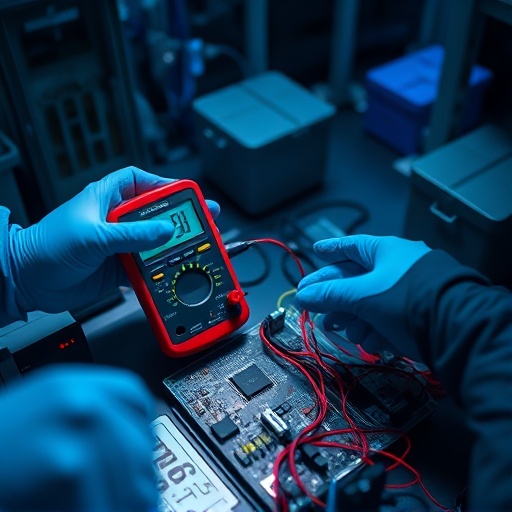
At DDPark, we generally avoid ultra-cheap PCB vendors because they cause long-term support headaches. We have seen failures caused by simple oxidation on the board’s surface. In our 10+ Years Manufacturing Expertise, we have learned that a “firmware rollback” is often just a band-aid for poor hardware design. When you source, you must demand an IQC (Incoming Quality Control) inspection report that proves components—specifically the auger motor and the infrared sensor—are stress-tested beyond standard operation limits.
We recently audited a batch where the AOI (Automated Optical Inspection) camera flagged uneven solder brightness on three boards. Those boards were rejected immediately. If that level of rigor isn’t present in your partner’s factory, your return rate will inevitably climb. My personal opinion? Stop looking at the unit price and start looking at the “true cost of return.”
Request a Free OEM Quote from DDPark
Engineering Standards: The DDPark Difference
With 100+ employees and a heritage spanning three generations of pet expertise, DDPark operates out of the Pearl River Delta. We understand that a feeder with a camera is not just a food dispenser; it is a communication tool.
We focus on two key mechanical pillars: **Anti-jam detection** and **Battery backup protection**. The auger motor is the heart of the device. If it stalls, the pet goes hungry. By integrating advanced motor feedback loops, we have seen a performance range of around 27%-41% improvement in jam-clearance efficiency compared to traditional designs.
Our facility is ISO9001 certified, and we strictly adhere to LFGB standards for all food-contact materials. Because we export to 50+ countries, including the USA, Germany, and Japan, we know that compliance isn’t a suggestion—it’s a requirement for market entry.
ESG and Sustainable Sourcing
A major trend this year is the push for sustainability. ESG requirements from large retailers are pushing manufacturers toward sustainable materials. Practically, this means moving away from non-recyclable coatings and volatile organic compound (VOC) heavy plastics.
When you source in 2026, ask your factory about their material sourcing. Are they using BPA-free, food-grade plastics? Do they have a plan for end-of-life recycling? Being able to market your feeder as “sustainably manufactured” is a significant competitive advantage in the European and North American markets.
Your Strategic Sourcing Checklist
When evaluating a manufacturer, use this checklist to separate the “traders” from the “engineers”:
1. **Ask for the PCB lineage:** Where are the WiFi modules sourced? Are they utilizing modern chips like the ESP32?
2. **Review the IQC Process:** Ask for an example of an inspection report. If they don’t have one, walk away.
3. **Check Certification:** Do they have current CE/FCC/RoHS certification?
4. **Test the APP:** Is the APP customization stable, or is it a generic skin?
5. **Ask for Flexible MOQs:** Can they support a pilot run? DDPark offers flexible MOQs for startups and distributors to ensure you aren’t stuck with dead stock.
Frequently Asked Questions
Q
What is the biggest risk when sourcing pet feeders with cameras?
A
The primary risk is long-term firmware and WiFi stability. Many cheap units use sub-par modules that fail within months. Prioritizing manufacturers who use robust components like the ESP32 module is essential for minimizing returns.
Q
How can I ensure my OEM feeder doesn’t jam?
A
Ensure the manufacturer uses active anti-jam infrared detection and a high-torque auger motor. Testing at the factory level, specifically IQC inspection on internal motors, is the only way to guarantee performance.
Q
Are there specific certifications needed for US and EU markets?
A
Yes. You must require LFGB for food-grade contact parts, along with CE, FCC, and RoHS certifications. Any reputable manufacturer, such as DDPark, will have these readily available.
Q
What is the advantage of flexible MOQs for startups?
A
Flexible MOQs allow startups to test the market without over-committing capital. It reduces inventory overhead and allows for iterative product improvements based on real customer feedback.
Q
Does DDPark support custom app development?
A
Yes, DDPark offers full OEM services including logo application, custom packaging, and APP customization to ensure your brand identity remains consistent across the user experience.
Work with DDPark
Experience zero-defect manufacturing with advanced anti-jam infrared detection, battery backup protection, factory direct OEM pricing, and matter protocol ready hardware. Let us help you scale your brand globally.
Ready to Start Your OEM Order?
Contact our B2B team today for pricing, MOQ, and custom branding options.