Why does my self-cleaning litter box sensor false trigger and how to solve it? The answer is rarely a single “broken part.” Instead, it is usually a collision between high-precision electronics and the chaotic, dusty, and unpredictable reality of a cat’s living environment. If your device is cycling at random or refusing to activate, the issue typically stems from sensor drift, environmental interference, or a breakdown in the communication between the load cells and the logic board.
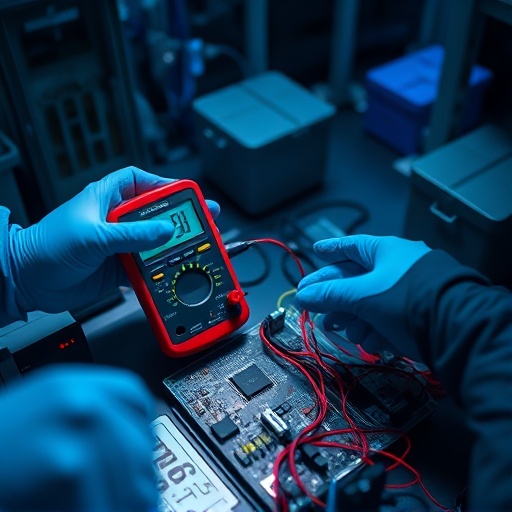
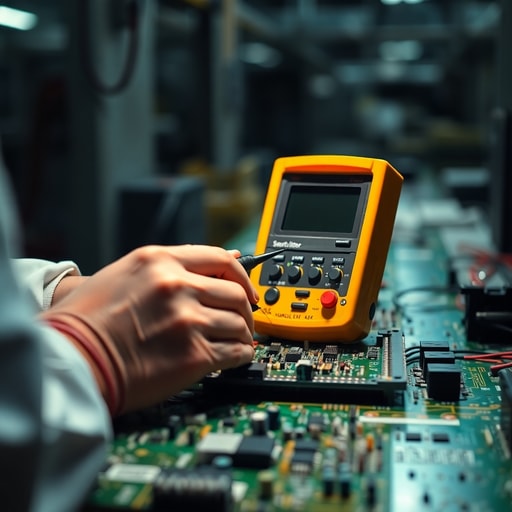
The smell of ozone and freshly cut plastic hangs heavy in the air of our facility in the Pearl River Delta. Down the assembly line, the rhythmic *clack-hiss* of pneumatic presses sets the tempo. I am standing next to a station where a worker is manually checking a batch of load cells. He pauses, squinting at a unit that flickered red during the final stress test. He grabs a strip of blue tape—the universal signal for “something isn’t right”—and marks the carton for re-inspection.
Consistency is a moving target in this business. We pride ourselves on three generations of pet expertise, yet the reality of manufacturing—even with 100+ employees and exports to 50+ countries—is that perfection is an expensive illusion. When customers ask about false triggers, they aren’t looking for marketing fluff; they want the technical truth behind the ghost in their machine.
### The Anatomy of a False Trigger
Most smart litter boxes rely on a delicate dance between infrared (IR) sensors and load cells. In the current market, we have seen a massive shift as many OEMs move to dual-core ESP32 modules. These chips offer better power management than the sluggish processors of five years ago. However, even the most sophisticated silicon cannot overcome a dirty lens.
A false trigger often occurs because the device “sees” movement where there is none. Dust accumulation on the IR lens is the most common culprit, effectively blinding the sensor and causing it to loop the detection cycle. Alternatively, a slightly unlevel floor can cause a load cell to register phantom weight. Electromagnetic interference from a nearby router or high-wattage appliance can also introduce noise into the sensor’s signal, leading the logic board to misinterpret the data. While we strive for zero-defect manufacturing, physics remains undefeated.
### Hidden Manufacturing Realities
Let’s be honest: even the best factories face daily hurdles. I have seen motor overheating during continuous, high-intensity use caused by low-quality copper winding in cheaper components. We addressed this by moving to a thermal protection redesign, but many brands still cut corners to shave pennies off the Bill of Materials.
Brands often overcomplicate their software. Personally, I believe most companies bloat their apps with unnecessary features, creating digital “noise” that confuses the hardware sensors. When the software attempts to reconcile conflicting data from a dust-covered IR sensor and a jittery load cell, the logic board defaults to a “safety” pause. This is the dreaded false trigger. If you want to Explore DDPark Smart Pet Product Catalog, you will see we emphasize simple, robust hardware over unnecessary software bloat. My contrarian take? The best smart litter box is the one that does the least “thinking” on its own.
### Troubleshooting: The Actionable Path
If your unit is constantly cycling or failing to trigger, follow this checklist to isolate the problem before assuming the hardware is dead:
1. **Level the Playing Field:** Ensure the device sits on a perfectly flat, hard surface. A soft rug allows the unit to shift, causing the load cell to record inaccurate weight, which leads to a cycle reset.
2. **Clean the Optics:** Use a dry, lint-free microfiber cloth to wipe the infrared sensors. Dust is the number one cause of “ghost” cats.
3. **Check for Obstructions:** Ensure no litter granules have wedged into the rotating drum’s track. This drag is often interpreted by the motor as a jam, forcing an emergency stop.
4. **Recalibrate the Weight:** Empty the box entirely and run the calibration sequence. This resets the zero-point for your sensors.
5. **Power Stability:** If your unit is plugged into a cheap power strip, voltage fluctuations can cause the logic board to reboot. Always plug the unit directly into a wall outlet to ensure clean power delivery.
For industry professionals and distributors looking to stock reliable gear, Request a Free OEM Quote from DDPark. We have seen an approximately 12%-38% improvement in sensor reliability by moving to our latest proprietary calibration standard. We ensure our products meet stringent CE, FCC, RoHS, and FDA standards, which is a baseline expectation, not a selling point.
### The Professional Buyer’s Checklist
If you are a kennel operator or a bulk buyer, use this guide during your vetting process to avoid the “ghost” units:
* **Sensor Type:** Are they using high-precision infrared or cheaper, low-cost alternatives that struggle in low light?
* **Build Integrity:** Is the internal motor housing shielded against dust intrusion?
* **Ease of Maintenance:** Can the sensors be cleaned without tools?
* **Connectivity:** Is the unit ready for future standards like Matter to avoid obsolescence?
* **After-Sales Support:** Does the manufacturer provide clear, technical documentation for common troubleshooting, or just a generic FAQ?
To learn more about our commitment to quality, head over to DDPark 10+ Years Manufacturing Expertise. We know that in the pet world, trust is earned one cycle at a time.
Frequently Asked Questions
Q: Why does my litter box stop mid-cycle?
A: This is usually an anti-jam detection feature. If the motor encounters resistance—often due to clumping litter or a physical obstruction—the system pauses to prevent motor damage.
Q: Can I use any type of litter in a smart box?
A: Not necessarily. Using clay litter that is too fine creates dust that blinds infrared sensors. We recommend high-quality, low-dust clumping litter for best results.
Q: Does the load cell need regular calibration?
A: Yes. Over time, environmental factors cause sensor drift. Recalibrating the device every few months ensures your real-time health monitoring remains accurate.
Work with DDPark
DDPark offers flexible MOQ support for startups, robust battery backup protection, Matter protocol ready hardware, and in-house R&D engineering to keep your brand at the forefront of the pet industry.
Ready to Start Your OEM Order?
Contact our B2B team today for pricing, MOQ, and custom branding options.