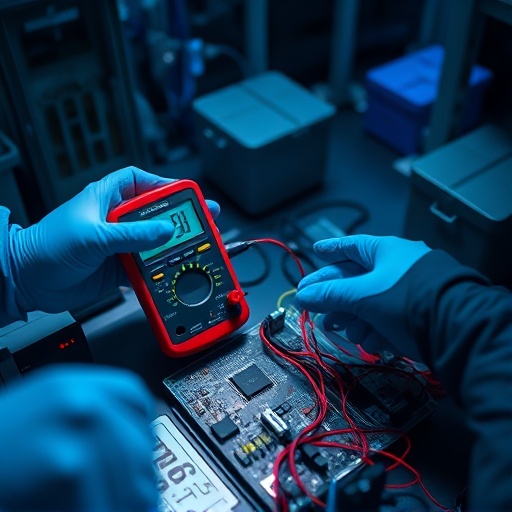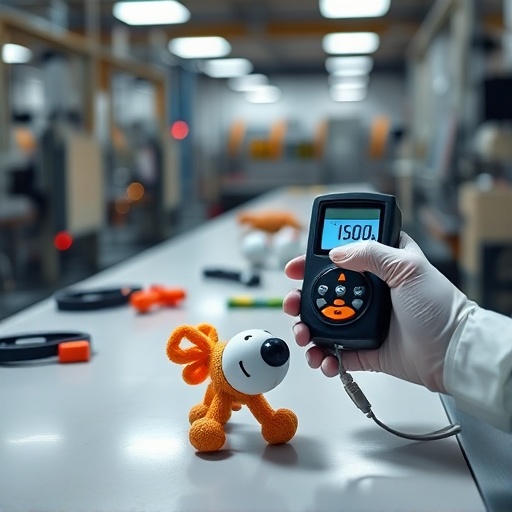

I remember standing on the assembly line in Dongguan at 3:00 AM, watching a batch of smart litter boxes cycle perfectly under the test lights. Suddenly, one unit triggered a “cat present” alert despite being completely empty. We tore it down to the PCB level, and the culprit wasn’t a faulty sensor—it was a microscopic speck of solder flux interfering with the infrared beam. If you are asking why does my smart litter box sensor false trigger and how to solve it, know that the answer usually boils down to environmental noise or component-level sensitivity that wasn’t properly calibrated at the factory gate.
Most false triggers occur because the hardware is “too smart” for its own good. High-precision load cells and IR arrays are designed to detect a ten-pound feline, but they often struggle to differentiate between a cat, a shifting pile of clumping litter, or even a slight vibration from an HVAC vent. Solving this requires a systematic approach: start by ensuring your unit sits on a perfectly level, hard surface. Carpets are the enemy of precision; they cause the weight sensors to drift, leading to those annoying phantom notifications that wake you up at night.
The Anatomy of a Phantom Trigger
| Symptom | Probable Cause | Actionable Solution |
|---|---|---|
| Ghost Cycle Notifications | Dust/Debris on IR Lens | Use compressed air to clear the sensor housing. |
| Erratic Weight Readings | Surface Vibration | Move the box to a solid, non-carpeted floor. |
| App Connectivity Timeouts | WiFi/Firmware Conflict | Reset the router; check for OTA firmware patches. |
| “Cat Present” Stuck | Load Cell Calibration Drift | Perform a manual tare using the manufacturer’s app. |
Walking through our facility, you can see the difference that high-quality components make. We’ve moved away from generic, off-the-shelf microcontrollers to industrial-grade ESP32 modules because they handle signal processing with far more stability. I’ve seen many competitors try to shave a few cents off their BOM (Bill of Materials) by using sub-par PCB suppliers. That’s a mistake. When the board is cheap, the signal-to-noise ratio is poor, and the sensor begins to misinterpret common environmental factors as “events.” Our DDPark 10+ Years Manufacturing Expertise has taught us that you cannot cheap out on the brain of the device.
Here is my contrarian take: many “smart” features are actually just noise. If a manufacturer hasn’t implemented robust software filtering to ignore sub-second sensor fluctuations, the device will always be prone to false triggers. If you’re looking to purchase or build, prioritize hardware that features physical anti-jam infrared detection. These mechanical safeguards are far more reliable than relying on software to “guess” if a cat is inside.
Environmental interference is the silent killer of sensor accuracy. If your litter box is positioned near a window, direct sunlight can saturate the infrared receiver, causing it to flip states randomly. I once spent an entire week troubleshooting a batch for a client, only to find the test site was beneath a flickering LED shop light. Ensure your box is in a stable environment. If the sensor still acts up after a deep cleaning, look at the firmware. A simple OTA update or even a rollback to a previous version can often stabilize the sensitivity threshold if the latest update introduced “over-sensitivity” to your specific model.
For those of you looking to bring a new product to market, the barrier to entry isn’t just about design; it’s about the reliability of the ecosystem. We help brands avoid these pitfalls by ensuring every unit from our Explore DDPark Smart Pet Product Catalog undergoes rigorous stress testing. We don’t just ship boxes; we ship confidence. Whether you need custom sensor calibration for heavier breeds or specific material sourcing, our team in the Pearl River Delta is built to handle the complexities that cause other factories to fail.
Troubleshooting is rarely a one-step process. If you have done the basic maintenance—leveled the unit, cleared the dust, and checked the firmware—and the device still acts erratically, you are likely dealing with a hardware component that has drifted past its tolerance. In those cases, don’t waste time with endless app resets. Reach out to the manufacturer or consider an upgrade to a system that prioritizes stability over “bells and whistles.” If you are ready to see what true industrial-grade pet tech looks like, Request a Free OEM Quote from DDPark and let’s build something that actually works.
Frequently Asked Questions
Why does my litter box say a cat is inside when it is empty?
Usually, this is caused by dust accumulation on the infrared sensors. Try cleaning the sensor housing with a dry, lint-free cloth or compressed air.
Can firmware updates fix sensor sensitivity issues?
Absolutely. If the manufacturer pushed an update that made the sensors too sensitive, a newer patch or a specific calibration reset can bring the device back to baseline.
How do I know if the sensor hardware is faulty?
If you have leveled the unit on a hard surface, cleaned the sensors, and reset the firmware, yet the device still triggers randomly, the internal PCB or load cell has likely suffered component fatigue.
Work with DDPark
[highlight: anti-jam infrared detection, stable Tuya connectivity, low MOQ support, factory direct OEM pricing]
Ready to Start Your OEM Order?
Contact our B2B team today for pricing, MOQ, and custom branding options.