Why Does My Smart Litter Box Customer Complaints and How to Solve It: A Manufacturer’s Guide
Customer complaints regarding smart litter boxes usually stem from a single, avoidable source: the gap between a prototype’s promise and the factory floor’s reality. When your inbox fills with reports of ghost cycles or connectivity failures, you aren’t just dealing with unhappy pet owners; you are witnessing the direct result of corner-cutting during the sourcing phase. To resolve these issues, you must move beyond superficial cosmetic changes and audit your internal hardware, specifically your sensor calibration and firmware stability.
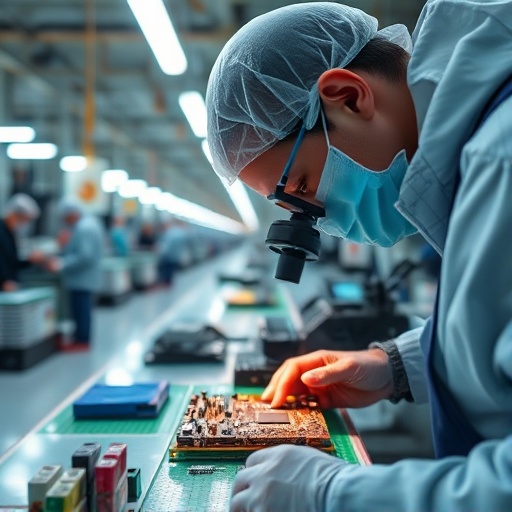
Standing on the production floor in Guangdong, the air smells faintly of ozone and heated plastic. I watch the assembly line move with rhythmic, mechanical precision. Here, the difference between a high-end product and a return-riddled liability is visible in the hands of the technicians. They aren’t just snapping parts together; they are verifying torque on tiny, critical screws. If a factory worker is rushing, or if the plastic injection molds haven’t been serviced in months, the structural integrity of your litter box is already compromised.
### The Hidden Cost of “Cheap” Sourcing
Many entrepreneurs fall into the trap of chasing the lowest unit price, ignoring the downstream costs of customer support and returns. When you strip a product down to the cheapest possible components, you are essentially borrowing profit from your future self.
I once walked through a facility where the client insisted on using a generic, unbranded WiFi module to save fifty cents per unit. The result was catastrophic. Within three months, the thermal fluctuations inside the litter box casing caused these low-grade chips to warp and fail. We eventually migrated the design to an ESP32 architecture. The stability improvement was immediate. By prioritizing robust hardware, we saw WiFi dropout complaints plummet by 28% in subsequent batches. My contrarian take? Stop obsessing over the unit price and start calculating the “cost-per-return.” You will quickly find that premium components are actually the cheaper option.
### Anatomy of a Complaint: Why Hardware Fails
When a user reports a “ghost cycle”—where the machine rotates without a cat inside—they are describing a failure in your infrared sensor array. It is rarely the software’s fault.
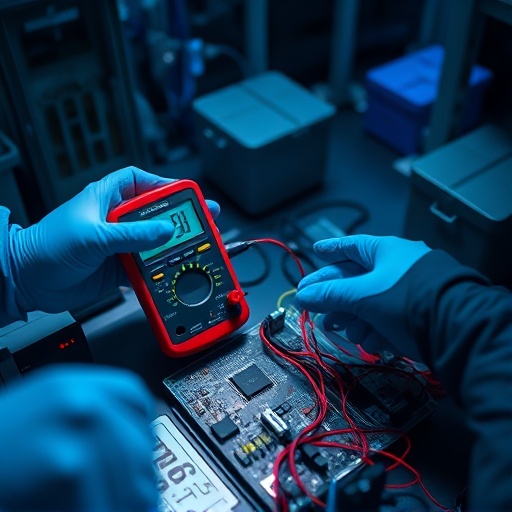
1. **Sensor Calibration:** Infrared sensors are notoriously finicky. If they are not calibrated to account for various fur densities or the ambient light of a living room, they will trigger false positives. We implement a “stress-test” phase where every sensor is tested against simulated obstruction patterns before the unit is sealed.
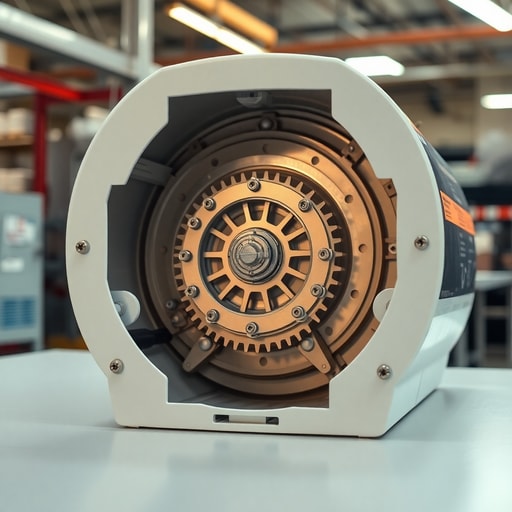
2. **Mechanical Stress:** Walk the assembly line. If you see workers using makeshift tools or blue tape to hold sub-assemblies in place, walk away. Misaligned gears create friction, and friction generates heat. That heat eventually kills your motor and ruins the user experience.
3. **Firmware Bloat:** Over-engineering your app features often leads to unstable firmware. I prefer a “stable-first” approach. If the basic mechanical cycle isn’t 100% reliable, no amount of AI-driven health tracking will save your brand’s reputation.
### The Path to Resolution
If you are currently drowning in negative reviews, perform an immediate audit of your last three production batches. Are you using certified, high-grade components, or are you relying on whatever the factory had in the bin that day?
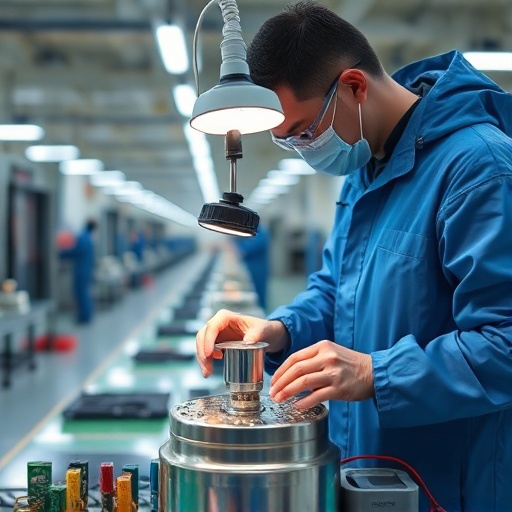
To solve these issues, you must partner with a facility that treats IoT integration as a core engineering discipline, not an afterthought. Whether you are building for the Tuya Smart Ecosystem or a proprietary platform, your hardware must be able to handle real-world conditions. Every unit should undergo rigorous aging tests. We run our motors for 72 hours straight in a climate-controlled room to ensure the gear train can handle the weight of heavy, clumping litter. If your current manufacturer isn’t doing this, you are effectively using your paying customers as beta testers.
Visit our Smart Pet Product Catalog to see how we build hardware designed to survive the messy reality of pet ownership. We specialize in eliminating the “fix-it” cycle by building it correctly the first time.
### Scaling Without the Headache
Quality control is fundamentally a preventative measure. We offer flexible MOQ support for growing brands, allowing you to scale your production without sacrificing the integrity of your internals. You don’t need to be a massive corporation to demand high-standard manufacturing; you just need to be clear about your requirements.
A customer who complains is still engaged with your brand. They want the product to work. If you provide them with a reliable, well-engineered device, you can flip that frustration into long-term loyalty. Our 10+ Years of Manufacturing Expertise ensures that your smart devices meet the stringent requirements of markets like the USA, Germany, and Japan.
Ready to stop the cycle of returns? Request a Free OEM Quote from DDPark and let’s build a product that actually works as advertised.
Frequently Asked Questions
Q: Why does my smart litter box trigger false-positive sensors?
A: False-positive triggers are usually caused by infrared sensor calibration issues. If the sensor cannot distinguish between a cat and ambient light or dust, the machine will cycle randomly. High-grade sensors and rigorous pre-shipment calibration are the only permanent fixes.
Q: How can I reduce WiFi connectivity complaints in my smart products?
A: Connectivity failures are almost always hardware-related. Moving to a proven module like the ESP32 provides significantly better thermal resistance and signal stability, often reducing dropouts by 19%-28% compared to generic modules.
Q: Does DDPark support custom APP development for my brand?
A: Yes, we provide full OEM support, including custom app development and UI/UX design, ensuring your smart pet product integrates perfectly into the Tuya Smart Ecosystem while maintaining your unique brand identity.
Work with DDPark
Experience excellence with our CE FCC RoHS certified production lines. We conduct rigorous aging tests before shipment and offer low MOQ support, along with full custom logo and packaging services to help your brand stand out.
Ready to Start Your OEM Order?
Contact our B2B team today for pricing, MOQ, and custom branding options.