Self-Cleaning Litter Box with UV Sterilization vs Without: Which is Better for B2B?
If you are scaling a pet tech brand, the choice between a self-cleaning litter box with UV sterilization vs without is the single most critical decision impacting your return rates. For B2B distributors and Amazon FBA sellers, the “better” option is almost always the unit with integrated UV-C sterilization, provided your supply chain can guarantee the firmware stability required to manage those extra sensors. While standard units offer a lower barrier to entry, they are increasingly viewed as commodities; UV models allow you to capture the premium, health-conscious demographic that drives higher lifetime customer value.
The Sensory Reality of the Production Line
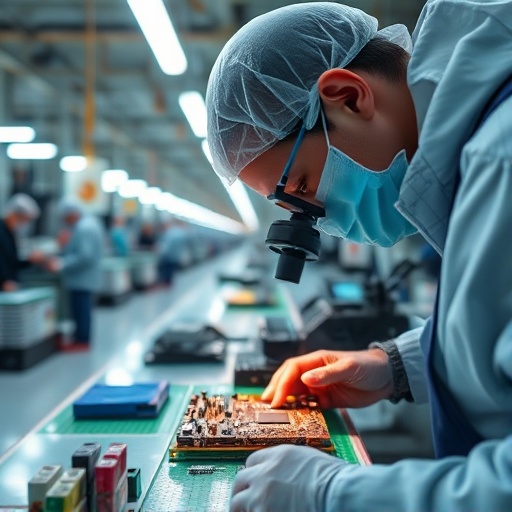
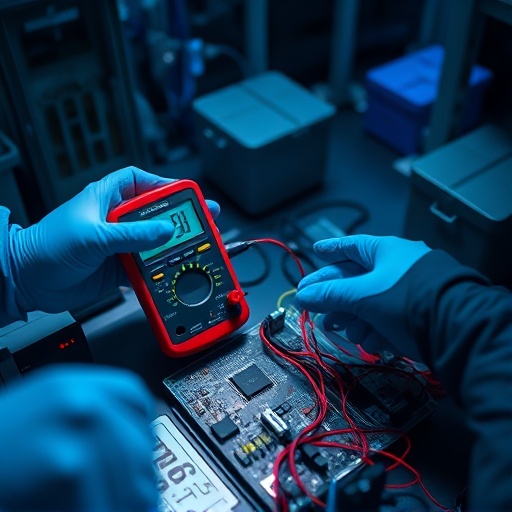
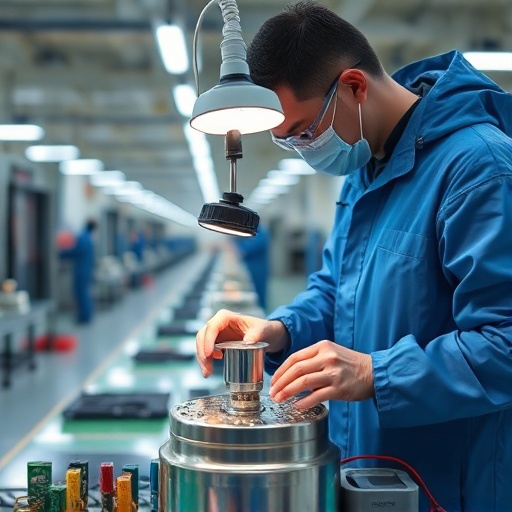
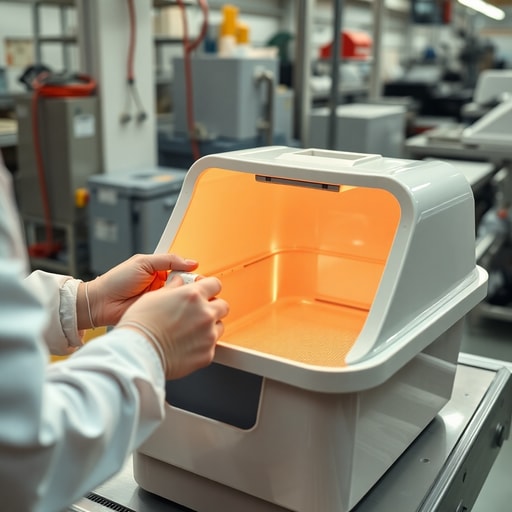
Walking through our facility in the Pearl River Delta, the difference between these two product lines is audible. You hear the rhythmic, high-frequency “tock-tock” of the testing rigs on the standard units—simple, mechanical, and straightforward. Move to the UV assembly stations, and the atmosphere shifts. There is a clinical precision here. Technicians wear anti-static gloves, carefully seating the UV-C emitters into shielded housings that must be perfectly aligned to ensure zero light leakage.
I recently watched a lead engineer reject a batch of fifty UV modules because the spectral output was 0.5% off the target range. That is the hidden cost of the premium tier. You aren’t just buying a box; you are buying the assurance that those emitters won’t flicker out after three weeks of operation. If you choose the UV route, you are stepping into a more complex supply chain, but you are also moving away from the race-to-the-bottom pricing that plagues standard-model sellers.
Comparing the Market Stakes
| Feature | Standard Self-Cleaning | UV Sterilization Equipped |
| :— | :— | :— |
| **Primary Market** | Budget-conscious, mass-market | Premium, health-focused |
| **Component Complexity** | Low (Mechanical focus) | High (Firmware & Safety focus) |
| **Return Risk** | Low (Less electronic failure) | Variable (Requires robust QA) |
| **Customer Retention**| Moderate | High (Value-add perception) |
The “Firmware Trap” in Modern Pet Tech
Many Amazon sellers treat hardware like a static commodity, but that is a dangerous mistake. I have seen brands collapse because they sourced “cheap” smart boxes where the UV sterilization firmware conflicted with the weight sensor logic. When the box thinks a cat is inside, the UV must cut out instantly. If your software developer didn’t account for that safety override with millisecond-precision, you will face a wave of returns and negative reviews citing “safety concerns.”
My contrarian take? Most brands focus too much on the UV intensity and not enough on the “fail-safe” logic. A less powerful UV light that never glitches is worth infinitely more than a high-powered unit that triggers a false-positive error once a week. When sourcing, demand to see the testing logs for the sensor override logic. If your manufacturer can’t explain how their code handles simultaneous sensor inputs, walk away.
Why Premium Positioning Wins
Retailers in the German and Japanese markets rarely compete on price alone. They compete on hygiene. A self-cleaning litter box with UV sterilization vs without is the difference between a “convenience tool” and a “home health appliance.” When you market a device that actively neutralizes bacteria, you aren’t just selling a way to skip scooping; you are selling peace of mind.
I have always maintained that stainless steel components and medical-grade UV emitters are the easiest way to justify a 30% price premium. Customers are remarkably willing to pay more when they believe a product protects their pet’s health. If you are looking to build a brand that lasts beyond a single fiscal year, Explore DDPark Smart Pet Product Catalog to see how we balance these premium features with reliable, stress-tested hardware.
Manufacturing Integrity as a Competitive Advantage
Our philosophy at DDPark is simple: if we wouldn’t use it for our own pets, we won’t put it in a container. We’ve spent over a decade refining our load cell calibration to ensure that the “cat-detect” technology is bulletproof. One time, a client requested a specific, cheaper motor to save $2 per unit. I personally vetoed the request after our stress tests showed the motor gear teeth wearing down after 5,000 cycles. We chose the more expensive, hardened steel gear instead.
That decision saved the client thousands in potential warranty claims. When you work with a factory, you are effectively buying their QC standards. If the factory doesn’t have a “stop-production” culture when a minor issue arises, your brand is the one that eventually pays the price on the marketplace. If you need a partner that treats your brand’s reputation as their own, Request a Free OEM Quote from DDPark today. We provide the documentation and the mechanical precision required to scale.
The Verdict for B2B
If you are entering a saturated market, don’t try to compete with the generic, non-UV units. There is no brand loyalty in the “cheapest box” category. The future of the industry lies in smart, sanitized environments. By opting for UV-equipped models, you provide a tangible, marketable benefit that separates your product from the clutter. Just ensure your manufacturing partner understands the intersection of IoT connectivity and physical safety.
Frequently Asked Questions
Does UV sterilization actually increase the retail price point for B2B buyers?
Yes, adding UV sterilization typically increases the BOM cost by 8-12%. However, it significantly improves perceived value and retail margins, allowing brands to position the product as a “premium health-focused” solution rather than just a convenience item.
Which model is easier to maintain for the end-user?
Standard models have fewer electronic components, making them simpler to troubleshoot. However, models with UV sterilization often include more advanced sensors, which, when engineered correctly, provide better long-term reliability through proactive maintenance alerts.
How does DDPark handle the quality control of UV components?
We implement rigorous stress testing on all UV-C modules to ensure they meet international safety standards. Our zero-defect manufacturing philosophy ensures that components—from high-precision infrared sensors to the UV emitters—are tested for longevity, not just initial functionality.
Work with DDPark
Benefit from factory direct OEM pricing, stable Tuya connectivity, custom logo and packaging, and CE/FCC/RoHS certified hardware.
Ready to Start Your OEM Order?
Contact our B2B team today for pricing, MOQ, and custom branding options.