ARTICLE_START
The global pet supplies market on Amazon has evolved from a simple commodity-flipping landscape into an engineering-driven ecosystem. Sourcing basic, unbranded plastic bowls or generic pet products is no longer a viable path to sustainable profitability. Today, the brands dominating Amazon search results are those that leverage sophisticated original equipment manufacturer (OEM) and original design manufacturer (ODM) partnerships to deliver smart, durable, and highly integrated hardware.
This amazon pet brand supplier complete guide provides the strategic framework and technical depth required to navigate this landscape. Whether you are a startup founder, an established Amazon FBA seller, an international distributor, or a professional kennel operator, understanding the mechanical, electrical, and logistical realities of pet product manufacturing is the single most critical factor in your long-term success.
Table of Contents
- 1. The 3-Year Evolution of Pet Sourcing & The Counterintuitive Reality
- 2. Market Data, B2B Landscape & The AI Tech Pivot
- 3. Sourcing Frameworks by Buyer Persona
- 4. Hardware Engineering, Failure Analysis & Certifications
- 5. Factory Realities, Quality Control & Auditing
- 6. Firmware, IoT Integration & App Ecosystems
- 7. Comparison Matrix: Generic vs. Premium vs. DDPark OEM
- 8. Supply Chain, Logistics & FBA Compliance
1. The 3-Year Evolution of Pet Sourcing & The Counterintuitive Reality
To understand the current state of pet product sourcing, we must look at how the market has shifted. Sourcing smart pet hardware was once characterized by low-barrier entry points, but those structures have broken down under the weight of customer expectations and platform policy changes.
- The 2024 Landscape: Success was defined by basic connectivity. If a supplier could integrate a cheap Wi-Fi chip into a standard dry food dispenser, Amazon sellers could demand a premium. Quality control was often secondary to speed-to-market, and minor firmware glitches were tolerated by a consumer base captivated by the novelty of remote pet feeding.
- The 2025 Transition: Market saturation triggered high return rates. App stores became flooded with broken, unmaintained companion apps, and Amazon’s search algorithms began heavily penalizing high-return ASINs. Consumers demanded physical reliability—specifically, mechanisms that did not crush kibble or jam while owners were away from home.
- The 2026 Standard: Connectivity is no longer a selling point; it is a baseline utility. In 2026: Matter-ready modules became the baseline for new OEM projects, allowing pet tech to integrate seamlessly into Apple Home, Google Home, and Amazon Alexa ecosystems. Sourcing now requires deep mechanical integration, medical-grade food safety compliance, and robust cloud support infrastructure.
The Counterintuitive Reality: Unit Cost Optimization is the Fastest Route to Brand Insolvency
Conventional sourcing wisdom dictates that maximizing your initial margin by squeezing the manufacturer’s unit cost is the key to Amazon FBA scale. In the smart pet appliance sector, this approach is fundamentally flawed.
If you source a smart pet feeder for $12 instead of $18, you might project a highly attractive profit margin on your spreadsheet. However, that $6 difference represents the elimination of critical engineering safeguards: cheap, high-friction nylon gears instead of self-lubricating polyoxymethylene (POM) components; a basic DC motor without torque-sensing feedback; and the omission of optical infrared sensors inside the dispensing chute.
When these cheap feeders inevitably fail in the field—typically due to minor variations in kibble size—the consequence is not just a return. A single star review detailing a “starved pet while on vacation” can permanently destroy an ASIN’s conversion rate. On Amazon, a listing with a 3.8-star rating requires ten times the PPC ad spend to convert compared to a 4.7-star listing. The $6 saved at the factory level manifests as a $15 increase in customer acquisition cost (CAC) and a crushing return rate that drains capital. The MOQ negotiation matters less than whether the factory actually runs QC.
Learn how DDPark’s 10+ Years Manufacturing Expertise prevents critical field failures.
—
2. Market Data, B2B Landscape & The AI Tech Pivot
The global pet industry is highly resilient to economic downturns. Pet owners do not treat their animals as discretionary expenses; they treat them as family members. This cultural shift has driven significant capital into the high-end smart pet appliance space.
Market Size and B2B Context
According to recent industry reports, the global smart pet market is projected to grow from $3.2 billion in 2024 to over $5.4 billion by 2028, representing a compound annual growth rate (CAGR) of over 14%. For B2B buyers, this growth is heavily concentrated in two areas:
- Automated Nutrition: Smart feeders incorporating precise portion control accuracy via integrated load cells.
- Environmental Control: Intelligent water fountains using impeller pump filtration systems with real-time water quality monitoring.
This growth is not driven by increased pet ownership rates, but by an increase in average spend per pet. Consumers are actively trading up from passive plastic bowls to active, cloud-connected hardware systems that provide peace of mind.
The AI-Powered Pet Health Monitoring Trend
AI-powered pet health monitoring is becoming a key differentiator in the premium segment. In practice, this means pet hardware is shifting from reactive execution (dispensing food on a timer) to proactive diagnostics (monitoring physiological metrics).
For a brand sourcing smart pet feeders or drinking fountains in 2026, this trend translates to concrete physical and digital requirements:
- Load Cell Data Analysis: Integrating high-precision load cells under both the food hopper and the dispensing bowl. This allows the device to measure not just how much food was dispensed, but exactly how many grams were consumed, down to 0.1-gram accuracy. The app then tracks consumption velocity over time, flagging sudden drops in appetite that could indicate underlying health issues.
- Acoustic and Optical Sensing: Advanced drinking fountains now utilize low-power optical sensors to track drinking frequency and duration, providing veterinarians with valuable behavioral data.
- Edge-AI Microcontrollers: Modern smart pet devices utilize microcontrollers capable of running lightweight machine learning models locally. This allows the device to differentiate between multiple pets based on weight profiles or RFID collar tags, ensuring personalized portion allocation without relying on constant cloud connectivity.
Brands that fail to integrate these active diagnostics into their product roadmaps will find themselves competing strictly on price in the low-margin, commoditized tiers of the Amazon marketplace.
—
3. Sourcing Frameworks by Buyer Persona
Sourcing pet hardware is not a one-size-fits-all endeavor. Different business models require distinct priorities, risk tolerances, and engineering support levels.
The Bootstrapping Startup
Startups typically operate with limited capital and need to validate their product-market fit quickly without overcommitting to massive inventory positions.
- Primary Challenge: High minimum order quantities (MOQs) that tie up critical working capital in slow-moving inventory.
- Sourcing Strategy: Focus on semi-customization. Do not attempt to build a completely new plastic injection mold from scratch, which can cost upwards of $30,000 to $50,000 in tooling fees. Instead, select an established, pre-tested open-mold design from a high-quality ODM. Differentiate through custom exterior colorways, premium packaging, and localized app interfaces. This approach minimizes upfront capital requirements while delivering a highly polished final product.
The High-Volume Amazon FBA Seller
Amazon FBA sellers operate in a hyper-competitive, algorithmically driven environment where operational efficiency and review velocity determine survival.
- Primary Challenge: Maintaining high organic search rankings, mitigating high return rates, and complying with Amazon’s strict packaging and electronic safety standards.
- Sourcing Strategy: Prioritize structural reliability and FBA-ready packaging out of the box. Insist on suppliers that perform 100% end-of-line electrical testing and offer robust OTA firmware management. Many Amazon sellers report that cheap feeders fail within 3 months of heavy use. To survive on Amazon, your hardware must be bulletproof, and your packaging must pass ISTA-6 drop testing to avoid transit damage.
Protect your Amazon brand registry. Request a Free OEM Quote from DDPark today.
The Omnichannel Distributor
Distributors service both online marketplaces and physical retail chains (such as Petco, PetSmart, or independent regional chains).
- Primary Challenge: Meeting diverse regulatory standards across multiple jurisdictions and maintaining stable supply lines with predictable lead times.
- Sourcing Strategy: Ensure the manufacturer holds comprehensive, auditable certifications (RoHS, FDA, FCC, CE) and uses standardized component architectures. Distributors must demand strict contract terms regarding supply chain transparency, ensuring the factory does not swap out critical internal components (like switching from a high-quality Wi-Fi module to an unbranded alternative) mid-production.
The Veterinary Clinic & Kennel Operator
Professional facilities require commercial-grade durability, sanitary designs, and centralized management capabilities.
- Primary Challenge: High-frequency usage, aggressive sanitization protocols, and the need to manage dozens of feeding devices simultaneously.
- Sourcing Strategy: Focus on materials and physical security. The devices must feature 304 food-grade stainless steel feeding trays, airtight hopper seals to prevent cross-contamination, and physical locking mechanisms that prevent highly motivated, stressed animals from breaking into the food supply.
Sourcing Checklist for Veterinary Clinics & Kennel Operators
- 🛡️ Material Integrity: Ensure all food-contact surfaces are constructed of certified SUS304 stainless steel or FDA-approved, BPA-free plastics.
- ⚡ Dual Power Redundancy: Verify the system features a seamless battery backup switchover (D-cell or rechargeable lithium-ion) to maintain feeding schedules during facility power outages.
- 🧼 Sanitation Design: Confirm the entire food chute, impeller, and bowl assembly can be completely disassembled without tools for autoclave or commercial dishwasher sanitization.
- 🧠 Mechanical Lockouts: Demand dual-latch or physical key-lock lids to completely eliminate animal break-ins, even under high-stress kennel conditions.
- ⚖️ Precision Calibration: Ensure the device utilizes integrated load cells to confirm actual consumption metrics rather than relying solely on volumetric time-based feeding.
- 📊 Centralized Fleet Management: Confirm the companion app or API allows for multi-device dashboard control, enabling one technician to manage up to 100 feeders from a single terminal.
—
4. Hardware Engineering, Failure Analysis & Certifications
When sourcing smart pet appliances, you are not just buying plastic; you are buying an electro-mechanical system that must operate autonomously for years. A single engineering oversight can lead to systemic product recalls and brand damage.
Deep Dive: The Anatomy of a Food Jam Failure
The most common failure point in automated pet feeders is the dispensing mechanism. Understanding the root causes of these failures is essential for selecting a reliable supplier.
Anatomy of a Mechanical Failure: Food Jam due to Impeller Design
The Failure: When a standard pet feeder attempts to dispense irregular, freeze-dried, or large-format kibble, the food wedges between the rotating impeller blades and the walls of the drop chute. The motor stalls, the device enters an error state, and the pet is left unfed.
The Root Cause: Insufficient anti-clog gap and rigid impeller construction. Many cheap manufacturers use hard plastic impellers with tight clearances. When a piece of kibble does not align perfectly with the outlet, there is no mechanical flex, causing the motor to lock up instantly under load.
The Engineering Fix:
- Flexible Silicone Impeller: Replace rigid plastic blades with food-grade silicone blades that flex when encountering oversized kibble, gently pushing it through rather than wedging it.
- Optimized Anti-Clog Gap: Maintain a calculated physical clearance between the impeller tips and the housing walls that exceeds the maximum diagonal dimension of standard kibble (typically 12mm to 15mm).
- Redesigned Anti-Jam Infrared Detection: Integrate a dual-path infrared sensor array directly inside the dispensing chute. If the sensor detects a blockage, the microcontroller instantly reverses the motor’s rotation direction for 1.5 cycles to clear the obstacle, then resumes forward operation with elevated torque.
Critical Components: Load Cells & Impeller Pumps
To deliver a premium product, you must specify high-quality internal components:
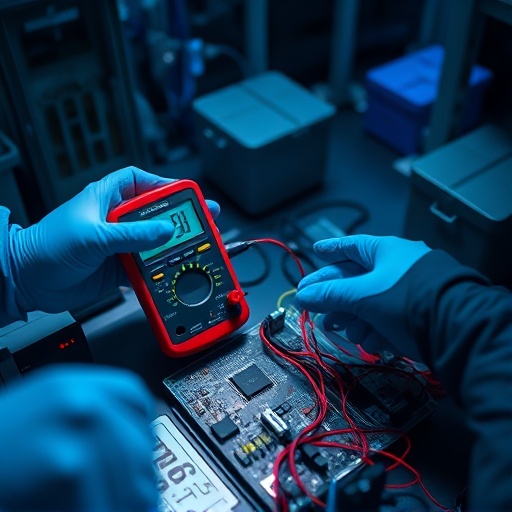
- Load Cells: These are the strain-gauge sensors responsible for weighing food and water. Poor-quality load cells suffer from thermal drift—meaning their readings change based on room temperature. Insist on temperature-compensated load cells calibrated to provide portion control accuracy within ±1 gram over an operating temperature range of 0°C to 40°C.
- Impeller Pumps: In smart water fountains, the pump is the heart of the system. Traditional brushed DC pumps are noisy and fail within 6 to 12 months due to hair and calcium buildup. Specify brushless, magnetic-drive impeller pumps. These utilize ceramic shafts instead of stainless steel, reducing noise to under 30dB and extending the operational lifespan to over 20,000 hours of continuous run time.
Regulatory Compliance & Certifications
Importing electronic products contacting food requires strict adherence to international safety and environmental regulations. Do not accept digital copies of certificates without verifying them against official registrar databases.
| Certification | Target Market | What It Regulates | Why It Matters for Pet Brands |
|---|---|---|---|
| FDA (Food-Contact) | North America | Chemical migration of plastics, silicones, and stainless steel in contact with food. | Prevents lead, BPA, and phthalates from leaching into pet food and water, protecting you from product liability lawsuits. |
| RoHS | European Union | Restricts the use of hazardous substances (lead, mercury, cadmium) in electronic components. | Mandatory for legal importation and sale within the EU; ensures eco-friendly manufacturing. |
| FCC (Part 15) | North America | Electromagnetic interference and RF radiation for wireless modules (Wi-Fi/Bluetooth). | Required for all smart connected pet tech to ensure they do not interfere with other home electronics. |
| CE (LVD/EMC) | European Union | Low voltage safety and electromagnetic compatibility. | The universal conformity marking required for all electronics entering the European Economic Area. |
Explore DDPark Smart Pet Product Catalog to view certified, market-ready designs.
—
5. Factory Realities, Quality Control & Auditing
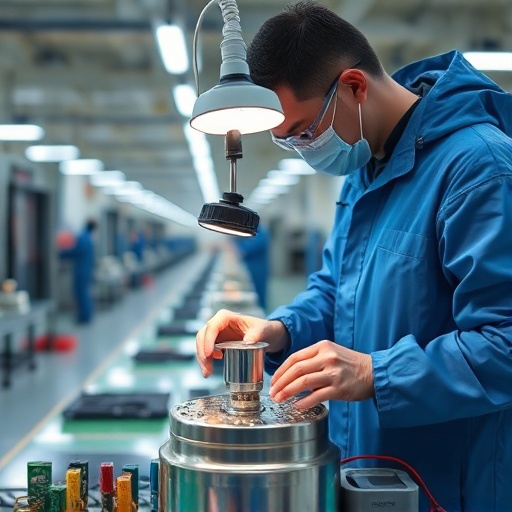
The difference between a successful brand and a failing one often comes down to what happens on the factory floor. Many importers rely on remote communication and find out too late that their production run has high defect rates.
The Reality of the Factory Floor
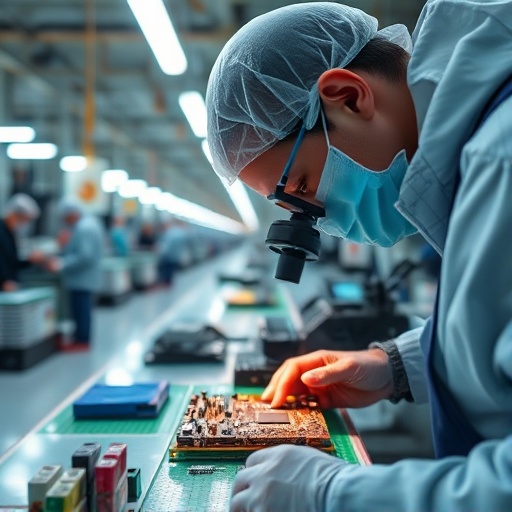
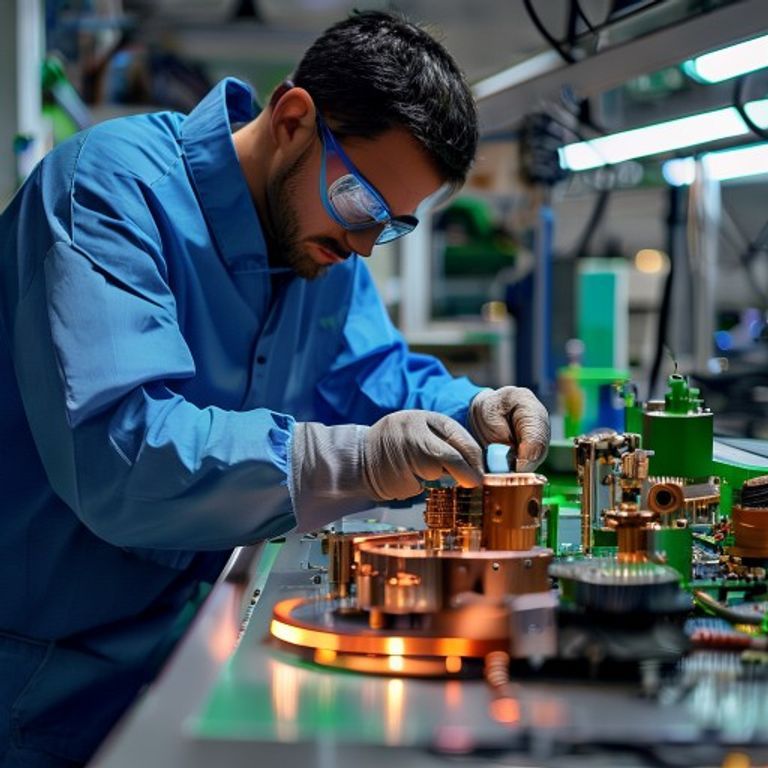
A factory is a dynamic, high-pressure environment. Without strict oversight, quality can slip due to worker fatigue, component shortages, or pressure to meet shipping deadlines. For example, during a routine factory audit, a worker used blue tape to mark unstable cartons on the line. In a rushed factory, those marked cartons might simply be taped shut and loaded onto the container rather than being pulled for inspection. Your quality control protocols must prevent these shortcuts.
This risk is driven by yield rate drift. At the start of a production run, tools are sharp, calibration is fresh, and workers are focused. By day five, injection molds can wear down, leading to plastic flash; calibration jigs can drift out of tolerance; and assembly workers may speed through steps to hit their daily quotas. Without continuous monitoring, the defect rate of your batch can rise from 0.5% on day one to over 5% by day five.
If your manufacturer does not allocate engineering resources to maintain the companion app and update the device’s firmware when iOS or Android updates their operating systems, your smart hardware will eventually stop connecting, leading to a wave of 1-star reviews on Amazon.
The Golden Sample Approval Process
To protect your investment, never allow mass production to begin without establishing a physical baseline for quality control.
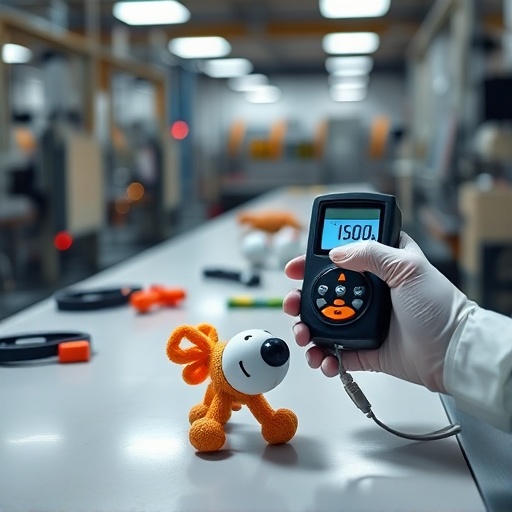
The golden sample approval is the process of creating, testing, and signing off on an absolute standard of production quality. This sample should not be a hand-made prototype from the R&D lab; it must be run on the actual mass-production tooling. Once this sample is verified to meet all physical, mechanical, and electrical specifications, it is signed by both your lead engineer and the factory’s quality manager.
This physical sample is then split into two identical units:
- One is retained at the factory in a sealed case to serve as the reference standard for the line workers